

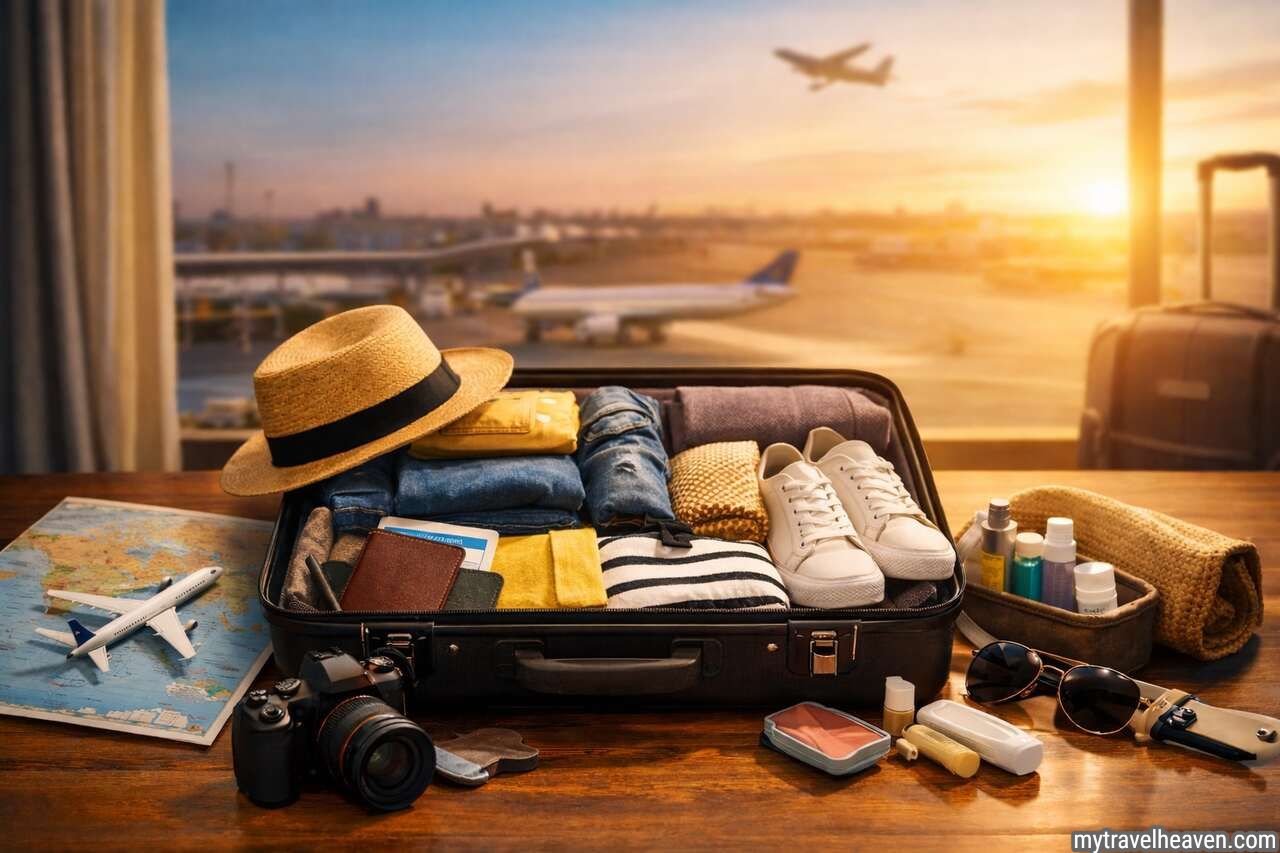
Traveling frequently transforms packing from a rushed chore into a refined system. Seasoned travelers, airline crew members, and business professionals develop efficient habits that save time, reduce stress, and prevent costly mistakes. Whether you are preparing for a weekend getaway or a long-haul international journey, learning how frequent flyers pack can significantly improve your travel experience.
This guide delivers actionable packing steps used by experienced travelers, integrating practical methods, gear recommendations, and organizational techniques. By following these strategies, you can travel lighter, move faster, and stay prepared for any situation.
Choose the Right Luggage for Your Trip
Selecting the right luggage is the foundation of efficient packing. Frequent flyers prioritize versatility, durability, and airline compliance when choosing between carry-on suitcases, backpacks, and checked bags.
Start by matching luggage type to trip duration and travel style. For short trips, a carry-on suitcase or travel backpack works best because it eliminates baggage claim delays and reduces the risk of lost luggage. For longer trips, combining a carry-on with a compact checked bag allows flexibility without overpacking.
Pay attention to features such as spinner wheels, compression compartments, TSA-approved locks, and lightweight materials like polycarbonate. Brands like Samsonite, Away, and Osprey are often favored by frequent travelers for reliability and smart design.
Build a Capsule Wardrobe for Travel
Packing fewer clothes does not mean sacrificing style or comfort. Frequent flyers rely on capsule wardrobes, which consist of versatile, mix-and-match clothing items.
Focus on neutral colors like black, white, gray, and beige. These tones allow multiple outfit combinations from a small number of pieces. Include essentials such as wrinkle-resistant shirts, lightweight pants, and a versatile jacket that works in different climates.
Layering is key. Instead of packing bulky items, bring thinner layers that can be combined for warmth. Materials like merino wool and moisture-wicking fabrics provide comfort across varying temperatures and reduce odor buildup during long trips.
Use Packing Cubes for Maximum Organization
Packing cubes are one of the most recommended tools among frequent flyers. They create structure inside your luggage and make it easy to locate items without unpacking everything.
Group similar items together, such as shirts in one cube, underwear in another, and workout clothes in a separate compartment. Compression cubes can further reduce volume, allowing you to fit more into your bag while maintaining organization.
This system also simplifies hotel stays. Instead of unpacking, you can place cubes directly into drawers, keeping your belongings neat and ready for repacking.
Follow the 3-1-1 Rule for Liquids
Air travel regulations require careful handling of liquids, especially when using carry-on luggage. The Transportation Security Administration enforces the 3-1-1 rule for liquids in carry-ons.
Each liquid must be in a container of 3.4 ounces (100 ml) or less, all containers must fit into one quart-sized clear bag, and each passenger is allowed one such bag. Following this rule prevents delays during security checks.
Frequent flyers often use travel-sized bottles and solid alternatives like shampoo bars and toothpaste tablets. These reduce liquid dependency and free up space in your bag.
Pack a Personal Item Strategically
A personal item, such as a backpack or tote, is your in-flight survival kit. Frequent flyers carefully curate this bag to include essentials needed during the journey.
Include travel documents, a reusable water bottle, snacks, headphones, chargers, and a lightweight jacket. Electronics like tablets or laptops should be easily accessible for security checks and in-flight use.
Comfort items such as a neck pillow, eye mask, and hand sanitizer enhance long flights. Keeping these essentials within reach ensures a smoother travel experience without needing to access overhead luggage.
Keep Important Documents Digitally and Physically
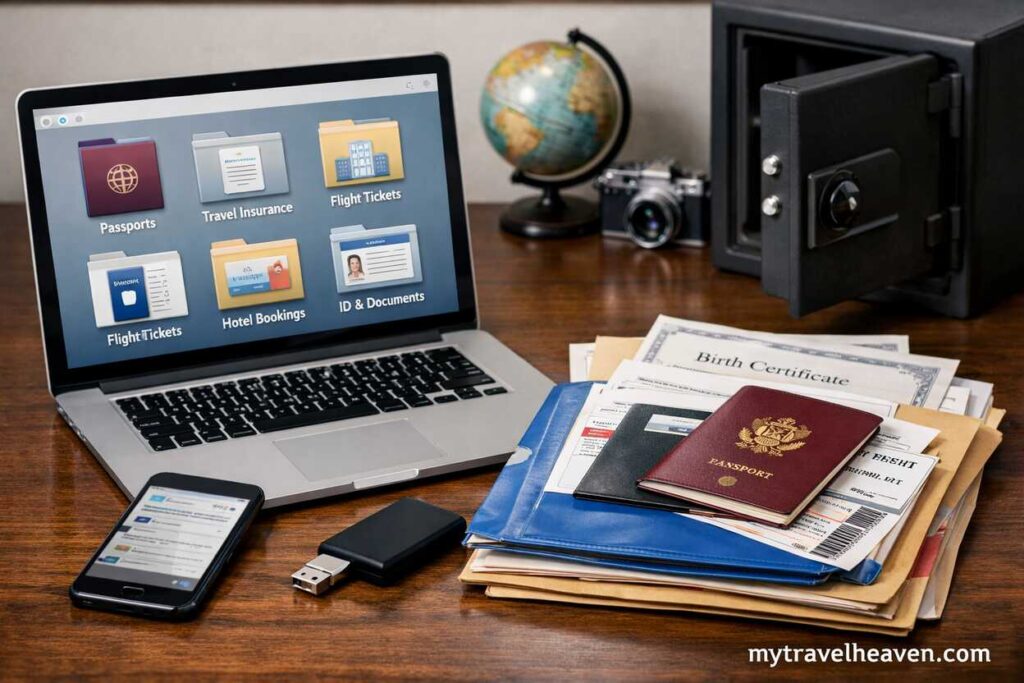
Travel disruptions can happen at any time, so frequent flyers prepare by securing their documents in multiple formats.
Carry physical copies of your passport, visa, boarding pass, and hotel reservations in a dedicated travel wallet. At the same time, store digital backups on your phone and cloud services like Google Drive or Dropbox.
This dual approach ensures that even if you lose physical documents, you still have access to essential information, reducing stress and potential delays.
Pack Smart Toiletries and Health Essentials
Frequent travelers prioritize compact and efficient toiletry kits. Instead of carrying full-sized products, they use refillable containers and multi-purpose items.
Include essentials such as toothpaste, deodorant, skincare products, and medications. Add a small first-aid kit with pain relievers, bandages, and any prescription medications.
Health-focused travelers also pack items like hand sanitizer, disinfectant wipes, and supplements to maintain well-being during long trips and exposure to crowded environments.
Optimize Space with Rolling and Folding Techniques
Efficient packing is not just about what you pack but how you pack. Frequent flyers use a combination of rolling and folding to maximize space.
Rolling clothes reduces wrinkles and saves space, especially for casual items like t-shirts and jeans. Folding works better for structured garments like blazers and dress shirts.
Layer heavier items at the bottom of your suitcase near the wheels, and place lighter items on top. This improves balance and protects delicate clothing during transit.
Prepare for Security and Airport Efficiency
Experienced travelers pack with airport procedures in mind. This means organizing items for quick access during security checks.
Keep liquids, electronics, and travel documents easily accessible. Wear slip-on shoes and avoid excessive accessories to speed up the screening process.
Using programs like TSA PreCheck or Global Entry can significantly reduce wait times and simplify airport navigation.
Plan for Laundry and Reuse During Longer Trips
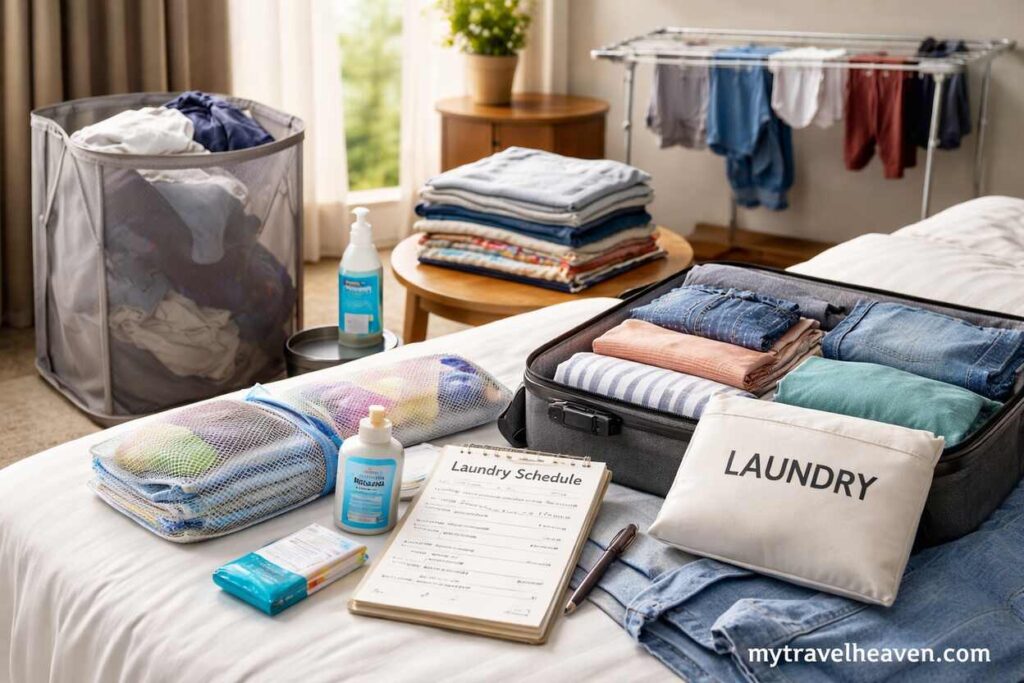
Packing light becomes easier when you plan to reuse clothing. Frequent flyers often pack fewer items and rely on laundry options during their trip.
Choose accommodations with laundry facilities or use local laundromats. Travel-sized detergent or laundry sheets make it easy to wash clothes in a sink when necessary.
Quick-drying fabrics are especially useful, allowing you to wash and reuse items within a day, reducing the need for excessive packing.
Use a Packing Checklist for Consistency
A packing checklist ensures you never forget essential items. Frequent flyers maintain reusable lists tailored to different types of trips.
Below is a sample checklist structure:
| Category | Items Included |
|---|---|
| Documents | Passport, tickets, visas, insurance |
| Clothing | Shirts, pants, underwear, sleepwear |
| Toiletries | Toothbrush, deodorant, skincare |
| Electronics | Phone, charger, power bank, headphones |
| Health | Medications, sanitizer, wipes |
| Accessories | Sunglasses, watch, travel pillow |
Using a checklist reduces last-minute stress and ensures consistency across trips.
Compare Packing Styles: Minimalist vs Traditional
| Feature | Minimalist Packing | Traditional Packing |
|---|---|---|
| Bag Type | Carry-on only | Carry-on + checked bag |
| Clothing Quantity | Limited, versatile items | Larger variety |
| Organization | Packing cubes, strict system | Mixed organization |
| Flexibility | High mobility | More options, less mobility |
| Risk Level | Lower (no checked baggage) | Higher (lost luggage risk) |
Frequent flyers often adopt minimalist packing because it improves efficiency, reduces costs, and enhances mobility.
Adapt Packing Based on Destination and Climate
Smart packing always considers destination-specific factors. Climate, culture, and planned activities influence what you should bring.
For tropical destinations, prioritize breathable fabrics, sunscreen, and light clothing. For colder regions, focus on thermal layers, gloves, and insulated jackets.
Cultural considerations also matter. Some destinations require modest clothing or specific attire for religious or formal settings. Researching these factors ensures respectful and appropriate packing.
Conclusion
Packing like a frequent flyer is about efficiency, preparation, and adaptability. By choosing the right luggage, building a versatile wardrobe, organizing items strategically, and planning for real-world travel scenarios, you can transform your packing routine into a streamlined system.
These methods reduce stress, save time, and enhance your overall travel experience. Whether you travel occasionally or regularly, adopting these expert strategies will help you stay organized, travel lighter, and move through airports with confidence.
FAQs
1. How do frequent flyers pack so efficiently?
They use systems like packing cubes, capsule wardrobes, and checklists to minimize items while maximizing usability.
2. What is the best luggage type for frequent travel?
Carry-on suitcases with spinner wheels and durable materials are preferred for convenience and reliability.
3. How can I avoid overpacking?
Plan outfits in advance, stick to neutral colors, and limit yourself to essential items only.
4. Are packing cubes really useful?
Yes, they improve organization, save space, and make unpacking and repacking faster.
5. What should always be in a personal item?
Travel documents, electronics, snacks, and comfort items like a neck pillow and headphones.
6. How do I pack for different climates in one trip?
Use layering techniques and choose versatile clothing that adapts to temperature changes.
