

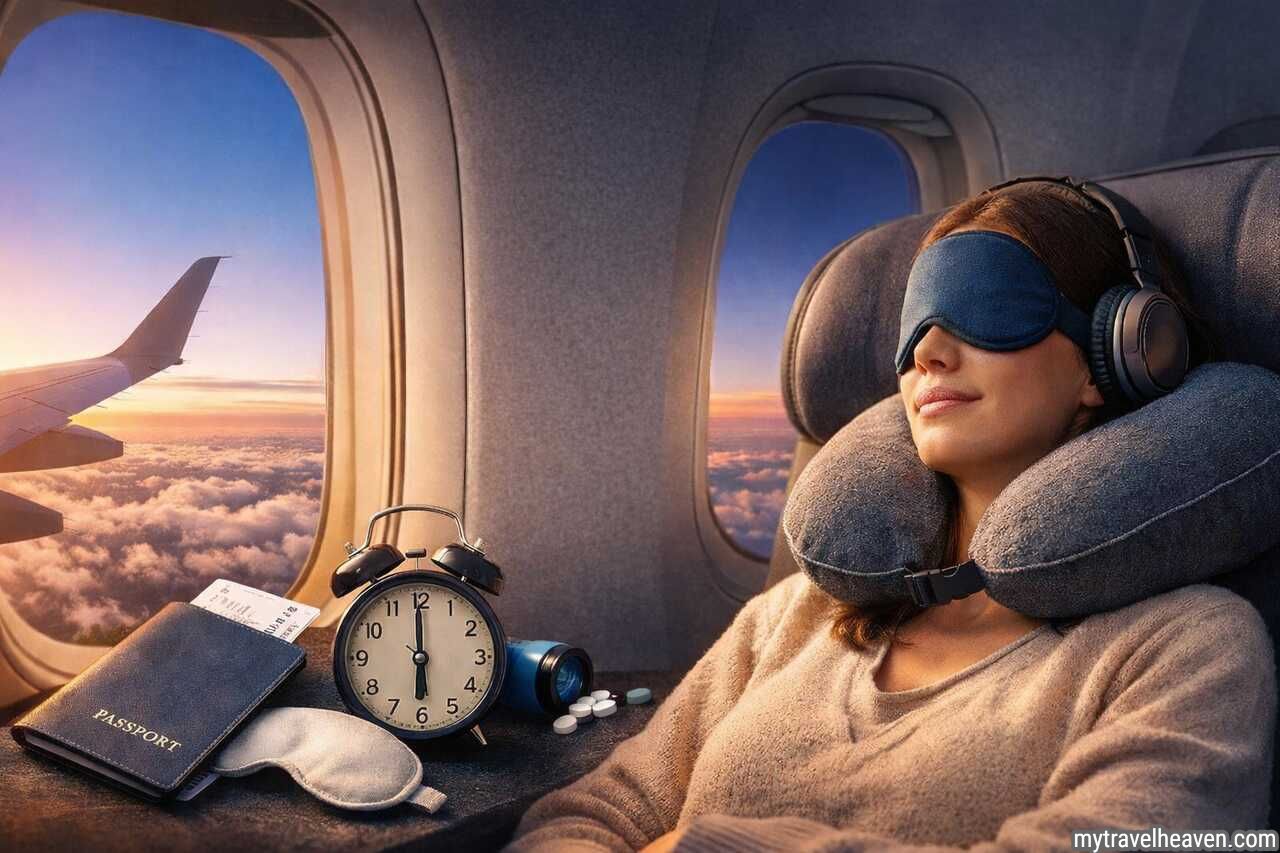
Jet lag disrupts your body’s internal clock, reduces cognitive performance, and weakens overall travel experience, especially during long-haul flights across multiple time zones. Travelers flying with major carriers like Emirates Airline or Qatar Airways often face this issue despite premium onboard services. By combining airline strategies, sleep science, and timing techniques, you can significantly reduce jet lag symptoms and adapt faster to new destinations.
This guide provides actionable steps, airline-specific insights, and sleep optimization techniques to help you stay energized and aligned with your destination time zone.
Adjust Your Sleep Schedule Before Departure
Gradually shifting your sleep cycle before departure is one of the most effective ways to minimize jet lag. Start adjusting your bedtime and wake-up time by 30–60 minutes daily toward your destination’s time zone at least 3–5 days before travel.
This adjustment process works by aligning your circadian rhythm with your destination before you even board the plane. For eastward travel, sleep earlier; for westward travel, stay awake longer. Using tools like Timeshifter can provide personalized schedules based on your itinerary.
This pre-flight alignment reduces the shock your body experiences upon arrival. It also improves sleep quality during the flight, making airline rest strategies more effective.
Choose Flights That Align With Natural Sleep Cycles

Booking the right flight timing directly impacts how well your body adapts. Overnight flights, commonly offered by airlines like Singapore Airlines, are ideal for long-haul routes because they mimic your natural sleep window.
Selecting flights that land in the morning or early afternoon helps you stay awake until local bedtime. Avoid arriving late at night, as it may tempt you to sleep immediately and disrupt your adjustment.
Flight timing also determines meal schedules, cabin lighting, and rest opportunities. Aligning these with your internal clock allows your body to transition smoothly across time zones.
Use Strategic Light Exposure to Reset Your Body Clock
Light is the most powerful regulator of your circadian rhythm. Exposure to natural sunlight at the right time accelerates your body’s adjustment to a new time zone.
Morning light exposure helps advance your internal clock, making it easier to wake up earlier. Evening light delays your rhythm, helping you stay awake longer. Devices like Philips SmartSleep Light Therapy Lamp simulate sunlight and are useful when natural light is limited.
Avoid bright screens and artificial light when trying to sleep. Use sunglasses if you arrive during daylight but need to rest. Managing light exposure is essential for synchronizing your sleep-wake cycle with your destination.
Optimize In-Flight Sleep Environment
Creating a comfortable sleep setup during your flight can significantly reduce jet lag symptoms. Even in economy class, small adjustments can improve sleep quality.
Use accessories like neck pillows, eye masks, and noise-canceling headphones such as Sony WH-1000XM5 to block disturbances. Recline your seat slightly and support your lower back to maintain a natural sleeping posture.
Airlines such as Etihad Airways and Cathay Pacific provide sleep kits in long-haul cabins, but bringing your own ensures consistency. A well-prepared sleep environment helps you maximize rest during critical adjustment periods.
Time Your Meals According to Destination Time Zone
Eating patterns influence your body clock just like sleep does. Adjust your meal times to match your destination as soon as you board the plane.
Choose lighter meals and avoid heavy, greasy foods that can disrupt digestion and sleep. Hydrating foods and balanced meals help maintain energy levels during travel.
Skipping meals strategically can also reset your internal clock. Some travelers use fasting methods to accelerate adaptation, though this should be done cautiously. Aligning food intake with your new time zone reinforces your circadian rhythm shift.
Stay Hydrated and Avoid Alcohol or Caffeine
Cabin air is dry, and dehydration worsens jet lag symptoms such as fatigue and headaches. Drink water regularly throughout your flight.
Avoid alcohol, as it disrupts sleep quality and dehydrates your body. Limit caffeine intake, especially when approaching your intended sleep time. If needed, use caffeine strategically to stay awake during your destination’s daytime.
Hydration supports circulation, digestion, and overall alertness. Combined with proper sleep timing, it plays a critical role in reducing jet lag severity.
Use Sleep Aids Carefully and Strategically
Sleep aids can be helpful when used correctly but may cause dependency or grogginess if misused. Natural options like Melatonin are commonly used to regulate sleep cycles.
Take melatonin 30–60 minutes before your intended bedtime at your destination. Avoid high doses and consult a healthcare provider if unsure.
Prescription sleep aids should only be used under medical guidance. While they may help you sleep during flights, they can interfere with natural circadian adjustment if overused.
Move and Stretch During the Flight
Physical movement improves circulation and reduces fatigue during long flights. Sitting for extended periods slows blood flow and contributes to stiffness and discomfort.
Walk around the cabin every 1–2 hours and perform light stretching exercises. Airlines like Japan Airlines often provide in-flight exercise guides for passengers.
Movement also helps regulate energy levels and prevents deep lethargy upon arrival. Staying physically active supports your body’s transition across time zones.
Control Naps After Arrival
Napping can either help or harm your jet lag recovery depending on timing and duration. Short naps of 20–30 minutes can boost alertness without affecting nighttime sleep.
Avoid long naps, especially in the late afternoon or evening. These can delay your ability to fall asleep at night and prolong jet lag symptoms.
If you arrive early in the day, stay awake until local bedtime. Exposure to sunlight and light activity can help maintain alertness and ease the transition.
Spend Time Outdoors Immediately After Arrival

Getting outside shortly after arrival accelerates your adjustment process. Natural light exposure helps reset your internal clock more effectively than artificial lighting.
Walking, light exercise, or sightseeing can improve mood and reduce fatigue. Cities like London or Dubai offer plenty of outdoor spaces that encourage movement and sunlight exposure.
Outdoor activity also enhances circulation and keeps your body engaged, reducing the temptation to nap excessively.
Use Technology to Personalize Jet Lag Management
Modern tools provide customized plans based on your flight details, sleep habits, and destination. Apps like Sleep Cycle and Timeshifter analyze your circadian rhythm and recommend precise sleep, light, and caffeine timing.
Wearable devices track sleep quality, helping you adjust your strategy in real time. These insights allow you to fine-tune your approach for different routes and travel frequencies.
Technology-driven solutions make jet lag management more predictable and effective, especially for frequent flyers.
Compare Airline Features That Help Reduce Jet Lag
Different airlines offer varying levels of comfort and amenities that influence sleep quality and recovery.
| Airline | Sleep Features | Cabin Comfort Level | Jet Lag Support |
|---|---|---|---|
| Emirates Airline | Lie-flat seats, sleep kits | High | Excellent |
| Qatar Airways | Qsuite privacy, bedding | Very High | Excellent |
| Singapore Airlines | Ergonomic seats, quiet cabins | High | Very Good |
| Cathay Pacific | Mood lighting, sleep kits | High | Very Good |
| Etihad Airways | The Residence, premium bedding | Luxury | Excellent |
These features directly affect how well you rest during flights, especially on routes exceeding 8–10 hours.
Compare Sleep and Recovery Techniques
Different strategies vary in effectiveness depending on travel distance and direction.
| Technique | Best For | Effectiveness | Ease of Use |
|---|---|---|---|
| Sleep schedule shift | Long-haul travel | High | Moderate |
| Light exposure | All travel types | Very High | Easy |
| Melatonin use | Eastward travel | High | Easy |
| Hydration | All travelers | Moderate | Very Easy |
| In-flight sleep setup | Overnight flights | High | Easy |
Combining multiple techniques yields the best results, especially for frequent international travelers.
Build a Consistent Post-Arrival Routine
Establishing a routine immediately after arrival stabilizes your body clock. Eat meals, sleep, and wake up at consistent local times.
Avoid reverting to your home time zone habits. Even small inconsistencies can prolong adjustment. Maintain regular exposure to daylight and limit screen time before bed.
A structured routine reinforces your body’s new rhythm and ensures faster recovery from jet lag.
Conclusion
Jet lag is a predictable physiological response, but it can be effectively managed with the right strategies. By adjusting your sleep schedule, choosing optimal flights, managing light exposure, and using airline amenities wisely, you can significantly reduce its impact.
Combining pre-flight preparation, in-flight optimization, and post-arrival routines creates a comprehensive approach that works across different travel scenarios. Whether flying with premium airlines or managing economy travel, these techniques ensure you arrive refreshed, alert, and ready to perform.
FAQs
How long does jet lag usually last?
Jet lag typically lasts 1–2 days per time zone crossed. Proper sleep, light exposure, and hydration can shorten recovery time.
Is melatonin safe for jet lag?
Yes, Melatonin is generally safe when used in low doses for short periods. Consult a healthcare provider for regular use.
Should I sleep on the plane?
Yes, if it aligns with your destination’s night time. Sleeping strategically helps your body adjust faster.
Does business class reduce jet lag?
Premium cabins improve sleep quality due to better seating and comfort, but behavioral strategies are still necessary.
What direction of travel causes worse jet lag?
Eastward travel is typically harder because it requires advancing your internal clock, which is more difficult than delaying it.
