

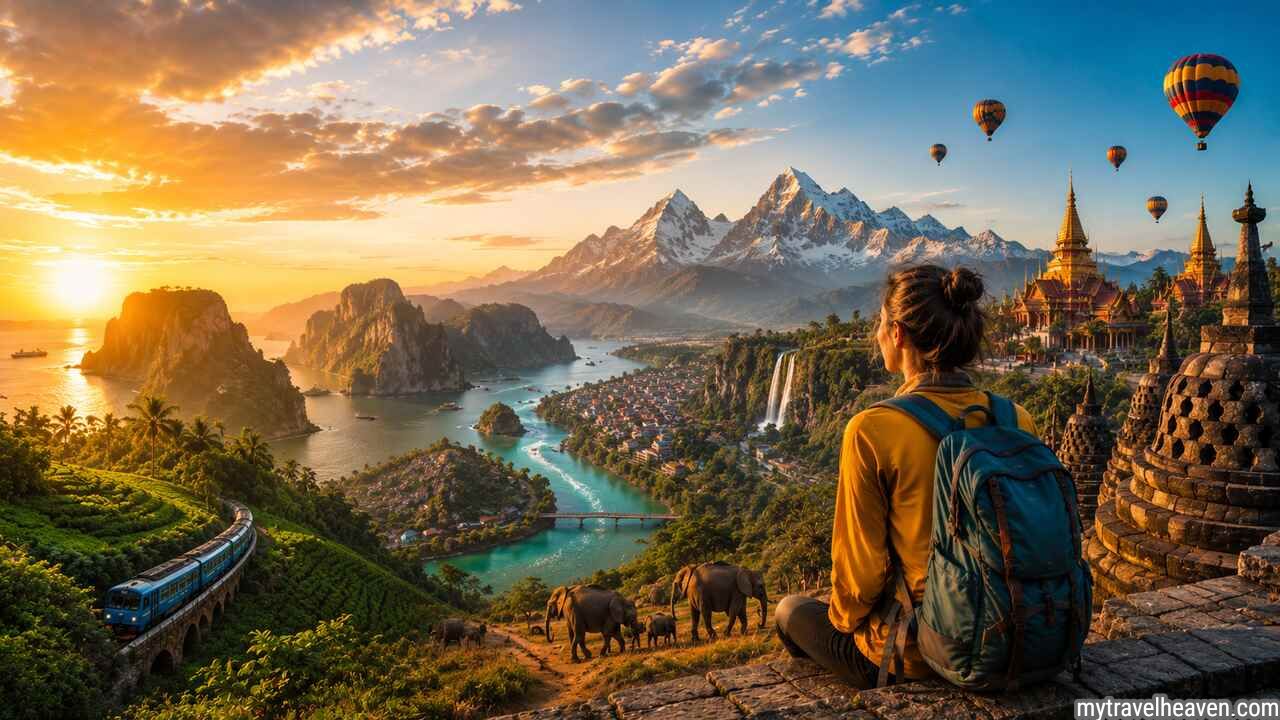
Travel rarely follows a predictable script. Flights get delayed, weather shifts without warning, local traditions surprise visitors, and small interactions often become the most memorable moments of a journey. Many travelers plan itineraries around famous landmarks, luxury hotels, and carefully researched attractions, yet the most meaningful memories usually emerge from events nobody expected.
Unexpected travel experiences shape perspective because they force people to adapt, observe, and connect with unfamiliar environments in authentic ways. A missed train can lead to discovering a hidden mountain village. A sudden invitation to a family dinner can reveal more about a culture than any museum visit. An unplanned festival can transform an ordinary evening into a lifelong memory.
Modern tourism has made global destinations more accessible than ever, but spontaneous moments still define the emotional core of travel. Whether someone explores the crowded streets of Tokyo, the deserts of Morocco, the coastal towns of Italy, or the rainforests of Costa Rica, unpredictable experiences create stories that travelers remember for decades.
This guide explores the most unexpected travel experiences across different destinations, cultures, transportation systems, natural events, and human interactions. It also explains how travelers can remain flexible enough to embrace surprising opportunities while staying safe and prepared.
Miss a Planned Destination and Discover a Better One
Many travelers build detailed itineraries months before departure. They reserve hotels, purchase attraction tickets, and organize transportation down to the minute. However, some of the best travel memories happen when plans collapse unexpectedly.
A missed bus in Peru might lead a traveler to stay overnight in a remote Andean village where local families host visitors during a regional celebration. A canceled ferry in Greece could encourage someone to explore a smaller island that receives fewer tourists but offers more authentic food, peaceful beaches, and traditional music performances.
Unexpected detours often reveal locations untouched by mass tourism. Smaller towns usually preserve stronger local traditions, family-owned restaurants, regional dialects, and slower daily routines. Travelers who experience these places frequently report stronger emotional connections compared to heavily commercialized destinations.
Travelers who remain calm during disruptions typically discover opportunities unavailable in standard guidebooks. Flexibility becomes a powerful skill because it allows exploration beyond scheduled tourism experiences.
Accept Invitations From Local Residents Carefully and Respectfully
Some of the most unexpected travel experiences begin with a simple conversation. Local residents often share cultural insights, meals, traditions, and recommendations unavailable through commercial tourism platforms.
In Japan, a traveler may enter a small ramen shop and end up speaking with the owner for hours about regional cooking traditions. In Turkey, shopkeepers frequently invite visitors for tea while discussing local history and family customs. In Mexico, neighborhood celebrations sometimes welcome travelers into music-filled gatherings with homemade food and traditional dances.
These interactions create deeper cultural understanding because they expose travelers to daily life instead of staged tourism presentations. Local residents often explain social etiquette, historical context, and community traditions in ways impossible to learn through travel brochures.
At the same time, travelers should remain cautious and respectful. Accepting invitations works best when people meet in public places, communicate clearly, and trust their instincts. Responsible cultural engagement means respecting boundaries, dress codes, family customs, and religious expectations.
Unexpected hospitality frequently changes how travelers perceive entire countries. A single kind interaction can replace stereotypes with firsthand understanding and emotional connection.
Experience Weather Events That Transform Entire Destinations
Weather can completely alter a travel experience within hours. Although many travelers fear storms, snowfall, or heavy rain, unexpected weather conditions sometimes create unforgettable moments.
A sudden snowfall in Prague transforms medieval streets into cinematic landscapes. Heavy monsoon rain in Thailand can temporarily flood roads while creating dramatic scenery around temples and tropical forests. Northern lights appearing unexpectedly in Iceland often leave travelers speechless because the experience feels surreal and unpredictable.
Natural events also influence local culture and daily routines. Seasonal rains in India affect transportation, food markets, agriculture, and street life. Sandstorms in Morocco change desert visibility and create entirely different visual experiences compared to clear days.
Unexpected weather teaches adaptability. Travelers learn to slow down, change plans, and appreciate environmental conditions instead of demanding perfect convenience. Many photographers and adventure travelers intentionally seek unpredictable climates because dramatic weather often produces extraordinary landscapes.
Travelers who prepare for multiple climate conditions usually handle surprises more effectively. Waterproof gear, flexible schedules, and backup activities help maintain comfort during unexpected environmental changes.
Join Cultural Festivals You Never Planned to Attend
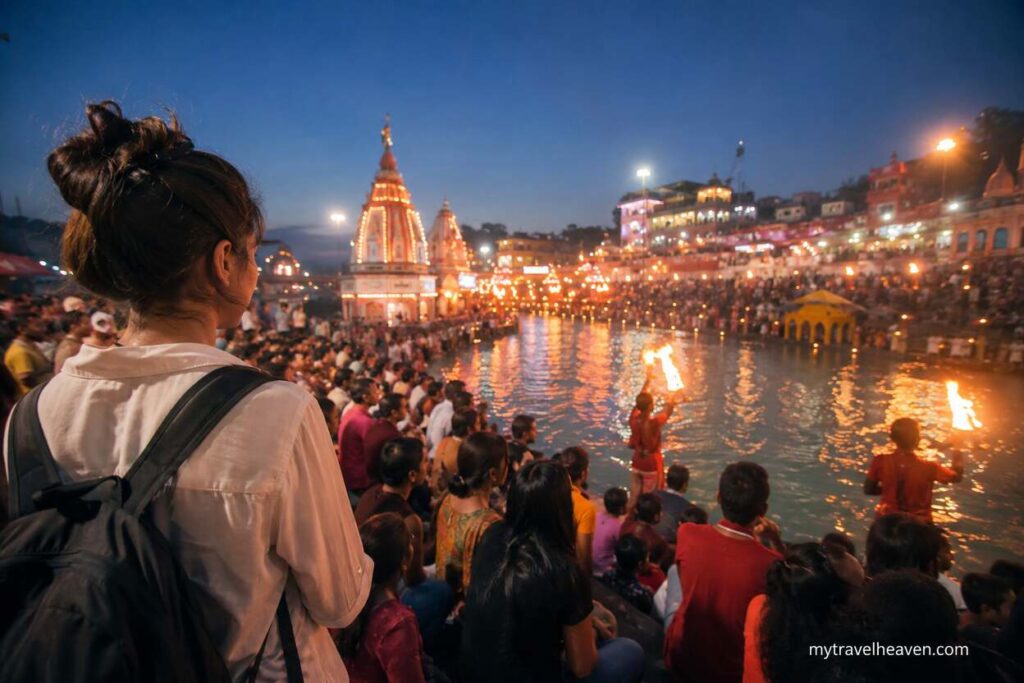
One of the most rewarding travel experiences occurs when visitors accidentally encounter regional festivals, religious ceremonies, or community celebrations.
A traveler walking through Spain may suddenly discover a local parade with traditional costumes and live music. Someone visiting India during Diwali experiences illuminated streets, fireworks, and family gatherings across entire cities. In Brazil, even smaller neighborhoods often host energetic music events outside the official Carnival celebrations.
Unexpected festivals provide immediate exposure to local identity. Traditional clothing, regional food, religious symbolism, dance performances, and musical styles reveal how communities preserve heritage across generations.
Travelers often remember these events more vividly than famous monuments because festivals involve active participation rather than passive observation. Food vendors, local artists, musicians, and families interact directly with visitors, creating emotional engagement.
Participating respectfully matters significantly. Travelers should observe photography rules, dress appropriately, and avoid interrupting sacred ceremonies. Cultural sensitivity improves interactions and demonstrates appreciation for local traditions.
Get Lost in a City and Find Hidden Neighborhoods
Getting lost is often treated as a travel mistake, yet many experienced travelers intentionally wander without strict navigation.
Unexpected discoveries frequently occur away from major tourist districts. In Paris, quiet residential streets reveal independent bakeries, antique bookstores, and local cafés filled with neighborhood residents instead of tourists. In Seoul, hidden alleyways contain tiny restaurants specializing in recipes passed through multiple generations.
Wandering without a rigid schedule allows travelers to observe authentic urban rhythms. Street musicians, local markets, neighborhood schools, and daily commuting patterns become part of the experience.
Modern smartphone navigation sometimes reduces spontaneous exploration because travelers move directly between attractions without noticing surrounding environments. Although navigation tools improve convenience and safety, occasional unstructured walking often creates richer memories.
Unexpected urban exploration also encourages curiosity. Travelers become more attentive to architecture, language patterns, transportation systems, and social behaviors. This awareness strengthens cultural understanding and creates stronger emotional attachment to destinations.
Safe wandering still requires awareness. Travelers should monitor surroundings, carry essential documents securely, and avoid isolated areas late at night.
Taste Foods You Never Expected to Enjoy
Food often creates the strongest sensory memories during travel. Unexpected culinary experiences frequently challenge personal assumptions and expand cultural appreciation.
Many travelers initially hesitate to try unfamiliar ingredients, street food, or regional specialties. However, local cuisine reflects geography, climate, agriculture, migration, and historical trade routes. Sampling traditional meals provides insight into how communities developed over centuries.
A visitor in Vietnam may unexpectedly discover a love for fresh herbs and noodle soups after initially preferring familiar foods. Someone traveling through South Korea might become fascinated by fermented dishes and barbecue culture. Travelers in Ethiopia often remember shared injera meals because eating together from a communal plate creates social connection.
Street food markets are particularly important because they combine affordability, local flavor, and community interaction. Vendors usually specialize in recipes refined across generations.
Unexpected food experiences often encourage broader openness toward unfamiliar cultures. Travelers become more willing to experiment, communicate, and participate in local customs after positive culinary discoveries.
Encounter Wildlife in Unpredictable Moments
Wildlife encounters create some of the most emotional and unexpected travel memories because nature operates independently of human schedules.
Travelers exploring Costa Rica may suddenly observe monkeys crossing roads or toucans appearing near rainforest lodges. Safari visitors in Kenya sometimes witness dramatic animal migrations at unpredictable times. Whale sightings near Iceland or New Zealand often occur unexpectedly during ordinary boat journeys.
These moments feel powerful because they remind travelers that natural ecosystems exist beyond tourism infrastructure. Wildlife encounters create emotional responses linked to awe, humility, and environmental awareness.
Responsible observation remains essential. Travelers should maintain safe distances, avoid feeding animals, and respect conservation regulations. Ethical wildlife tourism protects ecosystems while allowing sustainable visitor experiences.
Unexpected encounters also encourage environmental appreciation. Many travelers return home with stronger interest in conservation, climate awareness, and sustainable tourism practices.
Natural experiences become even more meaningful when travelers understand local conservation efforts and ecological challenges affecting the region.
Navigate Transportation Systems That Operate Differently
Transportation surprises often become memorable parts of international travel. Every country develops transit systems shaped by geography, economics, infrastructure, and cultural behavior.
Travelers in India may experience densely populated train journeys filled with conversation, food vendors, and social interaction. Japan’s rail systems impress visitors through precision and efficiency. In Venice, public transportation occurs primarily through water taxis and boats instead of roads.
Unexpected transportation experiences reveal how societies organize movement and public space. Travelers observe commuting habits, social etiquette, urban density, and regional priorities through transit systems.
Even transportation confusion can become memorable. Boarding the wrong train in Germany might lead to discovering an overlooked town. Sharing long-distance buses in South America often creates conversations between travelers and local residents.
Patience and observation help travelers adapt to unfamiliar systems. Understanding ticket procedures, platform organization, and local commuting etiquette improves confidence during international travel.
Stay in Accommodations That Change Your Perspective
Unexpected accommodation experiences frequently influence trips more than famous attractions. Hotels, guesthouses, hostels, eco-lodges, and homestays each create different forms of cultural interaction.
A family-run guesthouse in Nepal may introduce travelers to homemade meals and mountain traditions. Desert camps in Jordan provide opportunities to experience Bedouin hospitality under open night skies. Treehouse lodges in the Amazon rainforest immerse visitors directly within natural environments.
Alternative accommodations often emphasize experience rather than luxury. Travelers gain exposure to architecture, regional food preparation, family routines, and local storytelling traditions.
Hostels also create unexpected international friendships. Shared kitchens, group tours, and communal lounges encourage interaction among people from different countries and professional backgrounds.
Accommodation choices shape how travelers perceive destinations. Places emphasizing local identity usually create more memorable experiences than standardized global hotel chains.
Learn Local Customs Through Mistakes and Corrections
Cultural misunderstandings are common during international travel. While embarrassing at first, these moments often become important learning experiences.
A traveler might accidentally violate dining etiquette in China by placing chopsticks incorrectly or misunderstand greeting customs in the Middle East. In some countries, tipping is expected, while in others it may appear disrespectful.
Unexpected corrections from local residents frequently become valuable educational moments. Most people appreciate sincere effort and respectful curiosity even when visitors make mistakes.
Learning customs through direct experience creates stronger cultural understanding than reading rules online. Travelers become more observant regarding body language, communication styles, public behavior, and social expectations.
These experiences also increase humility. Travelers recognize that cultural norms differ significantly across societies and that respectful adaptation matters.
Unexpected lessons often improve future travel confidence because people become more comfortable navigating unfamiliar environments.
Witness Natural Landscapes That Feel Unreal in Person
Photographs rarely capture the emotional scale of extraordinary landscapes. Many travelers arrive at famous natural locations expecting beauty but remain unprepared for the actual sensory experience.
The Grand Canyon creates overwhelming perceptions of scale and silence. Icelandic glaciers appear dramatically larger and more textured in person than in digital images. The Sahara Desert at sunrise produces changing colors and shadows impossible to fully represent through photography.
Unexpected emotional reactions often occur during these encounters. Travelers describe feelings of insignificance, peace, inspiration, and reflection when confronting immense natural environments.
Landscapes also influence local culture, architecture, food production, and transportation systems. Mountain communities develop differently from coastal fishing towns or desert settlements.
Travelers who slow down and spend extended time observing landscapes often experience stronger emotional connection compared to those rushing through attractions quickly.
Build Friendships With Strangers During Long Journeys
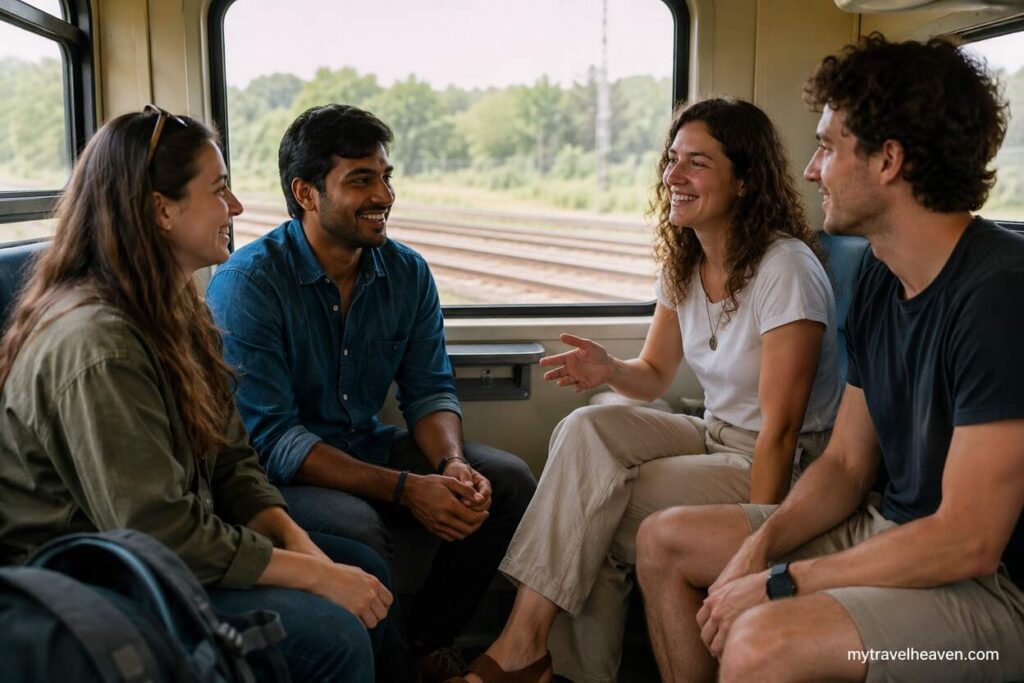
Unexpected friendships frequently emerge during travel because unfamiliar environments encourage conversation and shared experiences.
People waiting at airports, sharing train compartments, joining walking tours, or staying in hostels often exchange travel advice, cultural perspectives, and personal stories. These conversations can develop into meaningful long-term friendships.
Travel removes many social barriers because participants already share curiosity and openness. Travelers frequently discuss destinations, language challenges, food experiences, and personal goals with unusual honesty.
Some friendships remain temporary yet deeply memorable. A single evening conversation during a trip can influence future decisions, career goals, or travel aspirations.
International friendships also broaden understanding of global perspectives. Travelers gain insight into education systems, political discussions, work culture, and daily life in other countries.
Unexpected social connections remind people that travel involves human relationships as much as geography.
Adapt Quickly During Emergencies or Sudden Changes
Unexpected travel experiences are not always pleasant. Lost luggage, medical issues, transportation strikes, or political disruptions can create serious stress. However, these challenges often teach resilience and problem-solving.
Travelers who successfully navigate emergencies frequently develop stronger confidence and adaptability afterward. Managing communication barriers, finding alternative transportation, or reorganizing accommodations requires creativity and calm decision-making.
Preparation reduces risk significantly. Travel insurance, emergency contacts, backup payment methods, and digital copies of important documents improve safety during disruptions.
At the same time, unexpected challenges often reveal kindness from strangers. Local residents, hotel staff, taxi drivers, and fellow travelers frequently assist visitors during difficult situations.
Resilience becomes one of travel’s most valuable long-term benefits. People return home with greater confidence in handling uncertainty and unfamiliar environments.
Capture Memories Beyond Social Media Expectations
Modern travel culture often emphasizes photography and online sharing. However, many unexpected experiences become meaningful precisely because they cannot be perfectly documented.
A spontaneous conversation with an elderly shopkeeper, the smell of street food during rainfall, or the atmosphere of a quiet mountain sunrise may resist digital representation.
Travelers who focus exclusively on social media content sometimes miss emotional presence within actual experiences. Constant photography can interrupt observation and reduce engagement with surroundings.
Unexpected moments encourage travelers to prioritize memory over performance. Journaling, sketching, voice notes, and mindful observation often preserve emotional details more effectively than endless photographs.
Meaningful travel experiences usually involve emotion, atmosphere, sound, and personal interaction rather than only visual documentation.
Prepare Flexibly Before Every Trip
Preparation remains important even when embracing spontaneity. Flexible preparation allows travelers to respond effectively to unexpected opportunities and challenges.
Researching local customs, transportation systems, weather conditions, and emergency procedures creates a stable foundation for exploration. Travelers should also maintain flexible schedules with unplanned free time.
Packing versatile clothing, portable chargers, offline maps, and backup payment options improves adaptability. Language translation applications and basic local phrases also strengthen communication.
Travelers benefit from balancing structure and openness. Overplanning can reduce spontaneity, while complete lack of preparation increases unnecessary stress.
The most rewarding journeys usually combine intentional preparation with willingness to adapt when reality changes unexpectedly.
Conclusion
The most unexpected travel experiences often become the most valuable because they reveal authenticity, unpredictability, and human connection. Missed transportation, sudden festivals, unfamiliar foods, weather changes, and spontaneous conversations frequently create stronger memories than carefully planned attractions.
Travel transforms perspective when people allow uncertainty to become part of the experience instead of resisting it. Unexpected moments encourage adaptability, curiosity, humility, and emotional openness. They also create stories that continue influencing travelers long after returning home.
Whether someone explores major international cities, remote villages, natural landscapes, or cultural festivals, the most unforgettable experiences usually begin outside the original itinerary. Travelers who remain flexible, respectful, and observant consistently discover opportunities impossible to predict in advance.
FAQs
How can travelers stay safe while embracing unexpected experiences?
Travelers should maintain awareness, trust their instincts, keep emergency contacts available, and avoid risky situations. Flexibility works best when combined with responsible decision-making and preparation.
Why do unexpected travel experiences feel more memorable?
Unexpected moments create stronger emotional reactions because they involve surprise, adaptation, and personal engagement. Human memory often retains emotionally intense experiences more clearly than routine activities.
Which destinations are best for spontaneous travel experiences?
Countries with strong street culture, local festivals, and active public spaces often provide spontaneous opportunities. Japan, Thailand, Italy, Mexico, Morocco, and Peru are frequently associated with memorable unexpected encounters.
Should travelers plan every detail of a trip?
Detailed preparation helps reduce stress, but overly rigid schedules can limit spontaneous discovery. Balanced travel planning usually creates the best experience.
How do unexpected experiences improve cultural understanding?
Direct interaction with local residents, customs, food, and daily routines creates firsthand understanding that goes beyond tourism marketing and stereotypes.
What should travelers do when plans suddenly change?
Staying calm, communicating clearly, reviewing alternative options, and remaining open-minded often lead to positive outcomes even during disruptions or delays.
