

Introduction
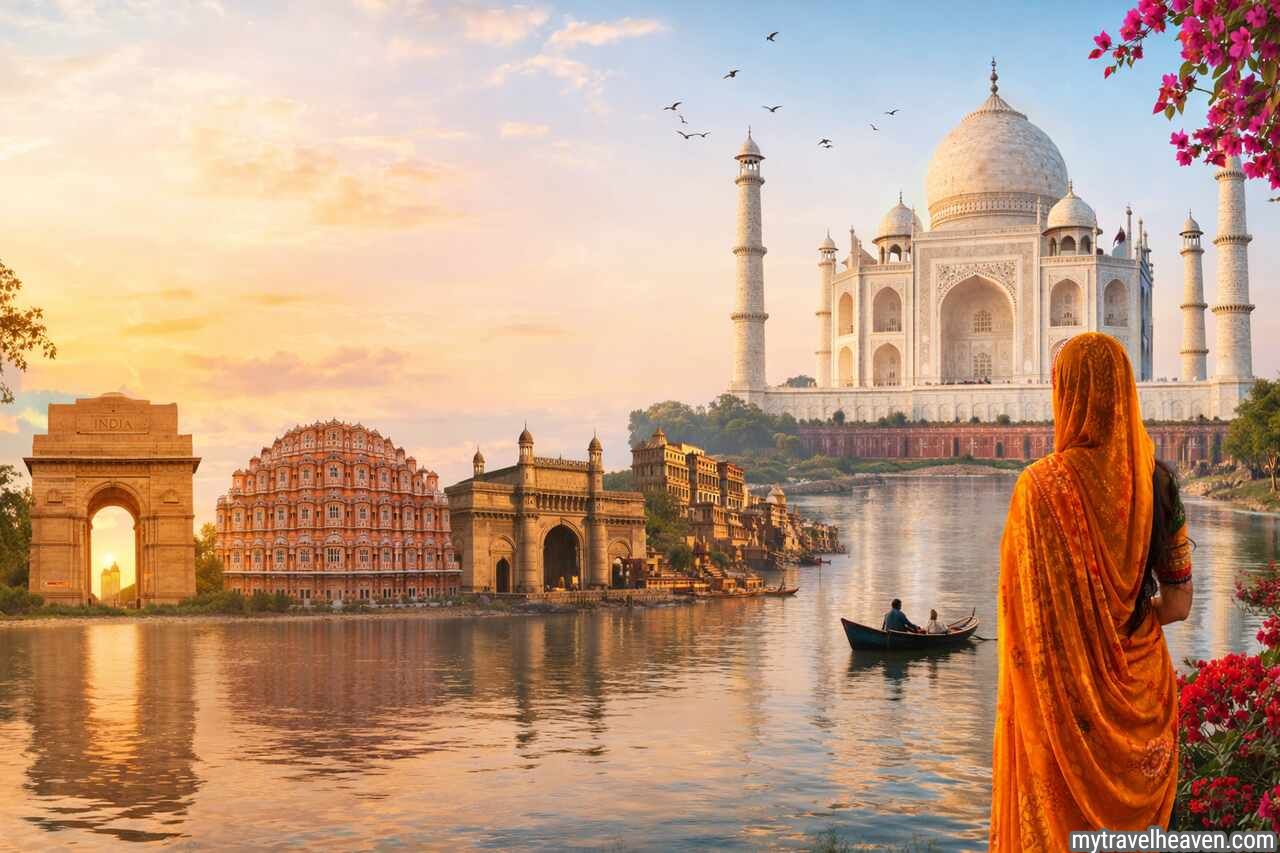
India is a vast and diverse country where ancient traditions meet modern lifestyles. From royal palaces and sacred rivers to bustling cities and tranquil beaches, traveling across India offers a deeply immersive cultural experience. Understanding key destinations and local customs helps travelers navigate smoothly while appreciating the country’s heritage, cuisine, and social etiquette. This guide highlights major cities and essential cultural practices to make your journey more meaningful and respectful.
Explore Delhi as the Gateway to India
Start your journey in Delhi, the capital city that blends Mughal history with modern infrastructure. Visit iconic landmarks like Red Fort, India Gate, and Qutub Minar to experience architectural grandeur.
Navigating Delhi requires understanding its dual personality. Old Delhi offers crowded markets such as Chandni Chowk, while New Delhi presents organized roads and government buildings. Public transport, including the metro system, makes commuting efficient.
Delhi serves as a cultural introduction where food, language, and traditions vary widely. Street food like chaat and paratha reflects North Indian flavors, while historical monuments showcase centuries of rule and influence.
Discover Mumbai’s Urban Energy and Coastal Charm
Travel to Mumbai to witness India’s financial hub and entertainment capital. Visit Gateway of India and stroll along Marine Drive for coastal views.
Mumbai operates at a fast pace, and understanding local transport such as suburban trains is essential. The city connects people from diverse backgrounds, making it cosmopolitan and dynamic.
The influence of Bollywood shapes the city’s identity, while beaches like Juhu provide relaxation. Street food like vada pav highlights the city’s quick and flavorful cuisine.
Experience Jaipur’s Royal Heritage and Architecture
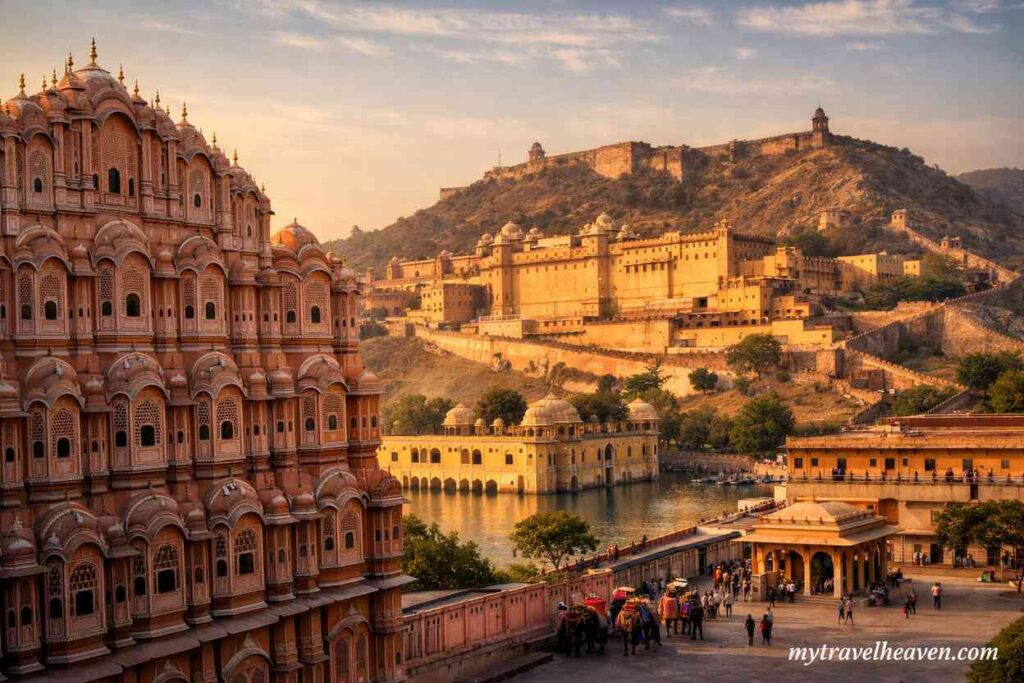
Visit Jaipur, known as the Pink City, to explore royal palaces and forts. Landmarks such as Hawa Mahal and Amber Fort reflect Rajput architecture.
The city is part of the Golden Triangle tourist circuit, making it a key destination for first-time travelers. Markets in Jaipur offer textiles, jewelry, and handicrafts.
Cultural experiences include traditional Rajasthani cuisine and folk performances. The city’s heritage reflects royal lifestyles and desert traditions.
Visit Varanasi for Spiritual and Cultural Depth
Explore Varanasi, one of the world’s oldest living cities. The ghats along the Ganges River are central to spiritual life.
Visitors can witness the Ganga Aarti ceremony, a daily ritual involving fire and prayer. Temples like Kashi Vishwanath Temple hold deep religious significance.
The atmosphere in Varanasi is intense and reflective. It offers insight into Hindu traditions, life cycles, and rituals connected to spirituality.
Relax in Goa’s Beaches and Portuguese Heritage
Head to Goa for a blend of beaches and colonial history. Popular beaches include Baga and Anjuna, known for nightlife and water sports.
Visit Basilica of Bom Jesus to explore Portuguese-era architecture. The region reflects a unique Indo-European cultural fusion.
Goa’s cuisine includes seafood and dishes influenced by Portuguese flavors. It offers a relaxed contrast to India’s busy cities.
Navigate Transportation Across Cities Efficiently
Traveling between cities in India requires planning based on distance and budget. Domestic flights connect major urban centers quickly, while trains provide a cost-effective and scenic alternative.
India’s railway network is extensive, covering both major cities and smaller towns. Booking tickets in advance through official platforms ensures availability.
Local transportation includes auto-rickshaws, taxis, and metro systems in larger cities. Understanding pricing and using ride-hailing apps improves convenience and safety.
Follow Cultural Etiquette and Social Norms
Respecting local customs enhances your travel experience. Dress modestly, especially when visiting temples and religious sites.
Removing shoes before entering homes and temples is a common practice. Greeting people with “Namaste” is polite and widely accepted.
Public behavior tends to be conservative. Avoid public displays of affection and always ask permission before photographing individuals.
Understand Indian Cuisine and Dining Practices
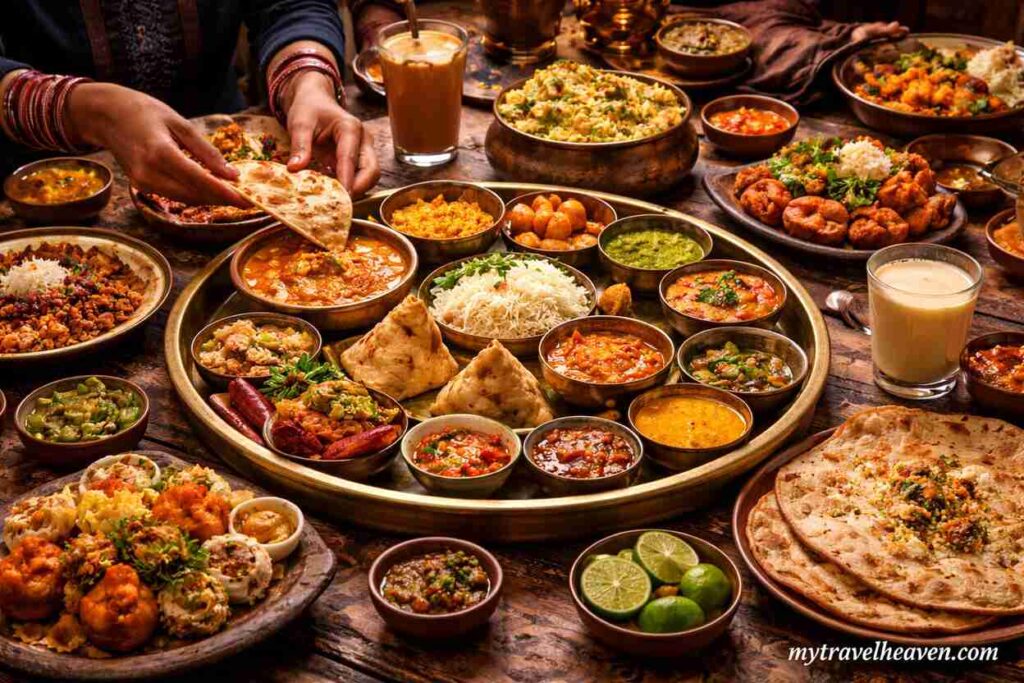
Indian cuisine varies by region, offering diverse flavors and ingredients. North Indian dishes include naan and curries, while South Indian food features rice-based meals like dosa and idli.
Eating with the right hand is customary in many parts of India. Restaurants in cities often provide cutlery, but traditional settings may not.
Spices are integral to Indian cooking, so travelers should be mindful of spice levels. Trying local specialties in each city enhances the cultural experience.
Plan Accommodation Based on Travel Style
India offers a wide range of accommodation options, from luxury hotels to budget hostels. Cities like Delhi and Mumbai feature international hotel chains, while heritage hotels are common in Jaipur.
Booking platforms allow travelers to compare prices and reviews. Choosing accommodation near major attractions reduces travel time.
Homestays provide a more personal experience, offering insights into local life and traditions.
Manage Safety, Health, and Travel Essentials
Staying safe in India involves awareness and preparation. Drink bottled water, avoid uncooked street food initially, and carry basic medications.
Travel insurance is recommended for medical emergencies and trip disruptions. Keeping copies of important documents ensures security.
Urban areas are generally safe, but travelers should remain cautious in crowded places. Using trusted transport services reduces risks.
Compare Key Cities for Travel Planning
| City | Key Attraction Type | Best Experience | Ideal Duration |
|---|---|---|---|
| Delhi | Historical & Political | Monuments, markets | 2–3 days |
| Mumbai | Urban & Coastal | Nightlife, beaches | 2–3 days |
| Jaipur | Royal Heritage | Palaces, forts | 2 days |
| Varanasi | Spiritual | River rituals, temples | 2 days |
| Goa | Leisure & Beaches | Relaxation, water sports | 3–4 days |
Identify Best Time to Visit Each Region
| Region | Best Time to Visit | Weather Condition |
|---|---|---|
| North India | October – March | Cool and pleasant |
| West India | November – February | Mild and dry |
| South India | November – March | Warm but comfortable |
| Coastal Areas | December – February | Ideal beach weather |
Conclusion
Traveling through India offers a rich blend of history, culture, spirituality, and modern experiences. Each city presents a unique identity shaped by its traditions, architecture, and people. By understanding key destinations and respecting cultural practices, travelers can create a smooth and meaningful journey. Proper planning, awareness, and openness to new experiences ensure that your visit to India becomes both memorable and rewarding.
FAQs
1. How many days are enough to explore India?
A 10–14 day trip allows you to cover major cities like Delhi, Jaipur, Agra, and either Mumbai or Goa comfortably.
2. Is India safe for tourists?
Yes, India is generally safe, especially in major cities. Staying aware and using trusted transport improves safety.
3. What should I wear in India?
Modest clothing is recommended, particularly in religious places. Lightweight and breathable fabrics work best.
4. Do I need a visa to travel to India?
Most travelers require a visa, which can be obtained online through India’s e-visa system.
5. What currency is used in India?
The Indian Rupee (INR) is the official currency, and digital payments are widely accepted in cities.
6. Can I travel India on a budget?
Yes, India offers affordable transport, food, and accommodation options suitable for budget travelers.

1 Comment
Pingback: How Many Castles Are in Germany? The Estimate Explained