

Introduction
Europe attracts millions of visitors each year, yet most travelers follow predictable routes through cities like Paris, Rome, and Barcelona. While these destinations offer undeniable beauty, they often overshadow lesser-known places that deliver equally rich cultural, historical, and natural experiences. Exploring hidden gems in Europe allows travelers to encounter authentic traditions, fewer crowds, and unique landscapes that remain largely untouched by mass tourism. This guide provides a comprehensive journey through Europe’s overlooked destinations, offering actionable steps to discover cities, villages, and regions that deserve far more attention.
Choose Lesser-Known Cities with Deep Cultural Heritage
Start by selecting cities that combine historical richness with a quieter atmosphere than mainstream tourist hubs. Cities such as Ljubljana, Ghent, Porto, and Tbilisi offer remarkable architecture, vibrant local life, and cultural depth without overwhelming crowds.
Each destination presents distinctive elements. Ljubljana features pedestrian-friendly streets, the Ljubljanica River, and landmarks like Ljubljana Castle. Ghent blends medieval and modern identity through sites such as Gravensteen Castle. Porto showcases terraced riverfronts and wine culture tied to the Douro Valley. Tbilisi stands out for its fusion of Eastern European and Asian influences, visible in its sulfur baths and eclectic architecture.
These cities also serve as gateways to surrounding regions, making them ideal for extended stays. Travelers can experience local cuisine, festivals, and daily life at a slower pace, creating deeper engagement compared to fast-paced tourism in major capitals.
Explore Underrated Coastal Destinations Away from Crowds
Move beyond famous coastlines by targeting regions that remain relatively undiscovered. Locations like Ksamil, Puglia, Comporta, and Vis Island provide pristine beaches and authentic coastal experiences.
Ksamil offers crystal-clear waters comparable to the Mediterranean’s most famous shores but at a fraction of the cost. Puglia combines dramatic cliffs, whitewashed towns, and culinary traditions rooted in olive oil and seafood. Comporta delivers minimalist luxury with expansive dunes and relaxed ambiance. Vis Island, less commercialized than other Croatian islands, preserves traditional fishing culture and secluded coves.
Choosing these coastal gems allows travelers to enjoy nature and local culture without the congestion seen in destinations like the Amalfi Coast. The slower pace and lower visitor density enhance relaxation and exploration.
Visit Mountain Villages with Authentic Traditions
Shift focus to mountainous regions where traditions remain deeply rooted. Villages such as Hallstatt, Kotor, Svaneti, and Valbona Valley offer breathtaking scenery and cultural authenticity.
Hallstatt presents alpine charm with lakeside views and historic salt mines. Kotor combines mountainous backdrops with medieval architecture enclosed within fortified walls. Svaneti is known for its defensive stone towers and remote landscapes. Valbona Valley delivers untouched hiking routes and traditional guesthouses.
These areas emphasize slow travel, where hiking, local storytelling, and home-cooked meals replace crowded itineraries. The connection between landscape and culture becomes more evident, enriching the overall experience.
Discover Historic Towns Rich in Architecture and Art
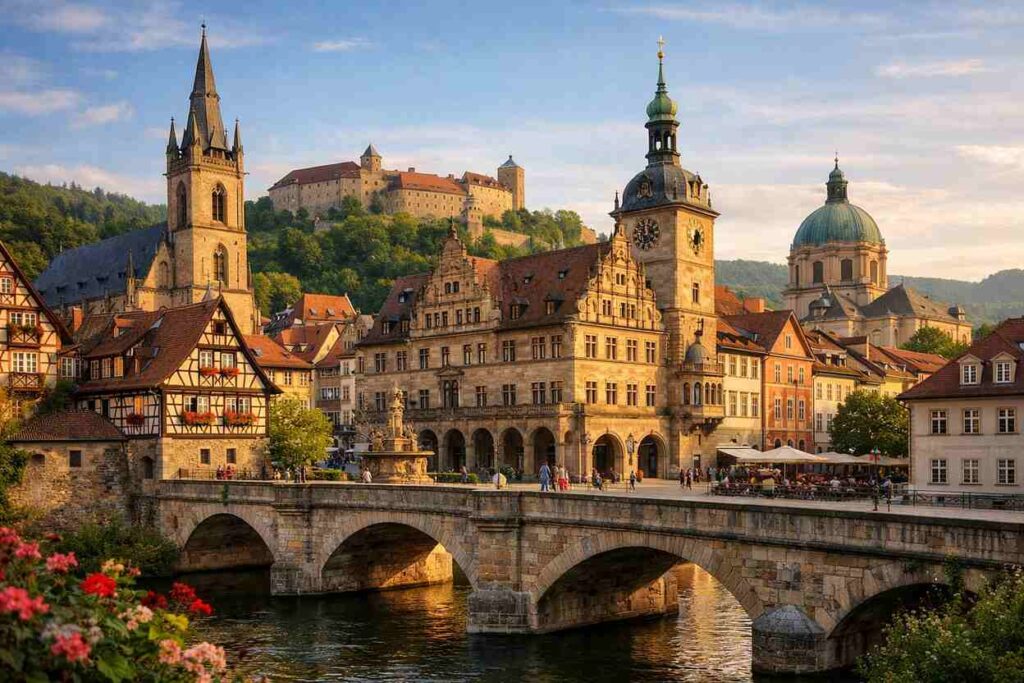
Prioritize towns that preserve architectural heritage and artistic identity. Destinations like Colmar, Český Krumlov, Matera, and Bruges showcase centuries of design and craftsmanship.
Colmar reflects Alsatian charm with half-timbered houses and canal-lined streets. Český Krumlov features a UNESCO-listed castle complex overlooking the Vltava River. Matera stands out for its ancient cave dwellings known as the Sassi. Bruges offers a network of canals and Gothic architecture that transport visitors to another era.
These towns function as living museums, where architecture, art, and daily life intersect. Walking through their streets provides insight into Europe’s historical evolution while maintaining a relaxed travel pace.
Experience Unique Natural Landscapes Beyond Famous Parks
Expand your itinerary to include natural environments that rival well-known parks. Regions like Plitvice Lakes National Park, Faroe Islands, Lofoten Islands, and Durmitor National Park offer extraordinary scenery.
Plitvice Lakes features cascading waterfalls and interconnected lakes. The Faroe Islands present rugged cliffs and remote coastal beauty shaped by the North Atlantic. Lofoten Islands combine dramatic peaks with traditional fishing villages. Durmitor National Park includes glacial lakes and dense forests ideal for outdoor activities.
These landscapes provide opportunities for hiking, photography, and wildlife observation. They also highlight Europe’s ecological diversity, which often goes unnoticed by travelers focused on urban destinations.
Plan Travel Timing to Avoid Peak Tourist Seasons
Strategic timing plays a crucial role in uncovering hidden gems. Traveling during shoulder seasons such as spring and autumn allows access to destinations with fewer crowds and lower costs.
Weather conditions remain favorable in most regions during these periods, making it easier to explore both cities and natural sites. Accommodation availability improves, and interactions with locals become more meaningful due to reduced tourist pressure.
Adjusting travel dates also enables participation in regional festivals and cultural events that are often overlooked during peak summer months.
Compare Hidden Gems by Travel Experience and Accessibility
| Destination | Country | Experience Type | Accessibility | Best Time to Visit |
|---|---|---|---|---|
| Ljubljana | Slovenia | Cultural City | Easy | Spring, Autumn |
| Ksamil | Albania | Beach | Moderate | Summer |
| Svaneti | Georgia | Mountain Adventure | (Remote) | Summer |
| Matera | Italy | Historical Town | Easy | Spring |
| Faroe Islands | Denmark | Nature | Moderate | Summer |
This comparison helps travelers align destinations with their preferences, whether they prioritize culture, relaxation, or adventure.
Evaluate Cost Efficiency Compared to Popular Destinations
| Region | Average Daily Cost | Compared to Popular Alternative | Value Advantage |
|---|---|---|---|
| Albania Coast | Low | Greece Islands | High |
| Northern Portugal | Low | Lisbon | Moderate |
| Montenegro | Moderate | Croatia | High |
| Eastern Europe | Low | Western Europe | Very High |
Travelers benefit from lower accommodation, food, and activity costs while maintaining high-quality experiences.
Conclusion
Hidden gems in Europe provide an opportunity to experience the continent beyond its most famous landmarks. From culturally rich cities like Ljubljana and Ghent to serene coastal retreats such as Ksamil and Comporta, these destinations offer authenticity, affordability, and diversity. Mountain villages, historic towns, and remote natural landscapes further enhance the travel experience, creating meaningful connections with local traditions and environments. By choosing lesser-known locations and planning strategically, travelers can unlock a side of Europe that remains largely undiscovered yet deeply rewarding.
FAQs
1. Which European country has the most hidden gems?
Countries like Slovenia, Albania, and Georgia stand out due to their diverse landscapes and relatively low tourism levels.
2. Are hidden gems in Europe safe for travelers?
Most of these destinations are safe, with low crime rates and welcoming local communities.
3. When is the best time to visit lesser-known European destinations?
Spring and autumn provide the best balance of good weather, fewer crowds, and lower prices.
4. How can I reach remote hidden gems?
Combining flights with regional trains, buses, or car rentals is often the most effective approach.
5. Are these destinations budget-friendly?
Yes, many hidden gems offer significantly lower costs compared to major tourist cities.
6. Do hidden gems offer enough activities for longer stays?
Most destinations provide a mix of cultural, culinary, and outdoor experiences suitable for extended travel.
