

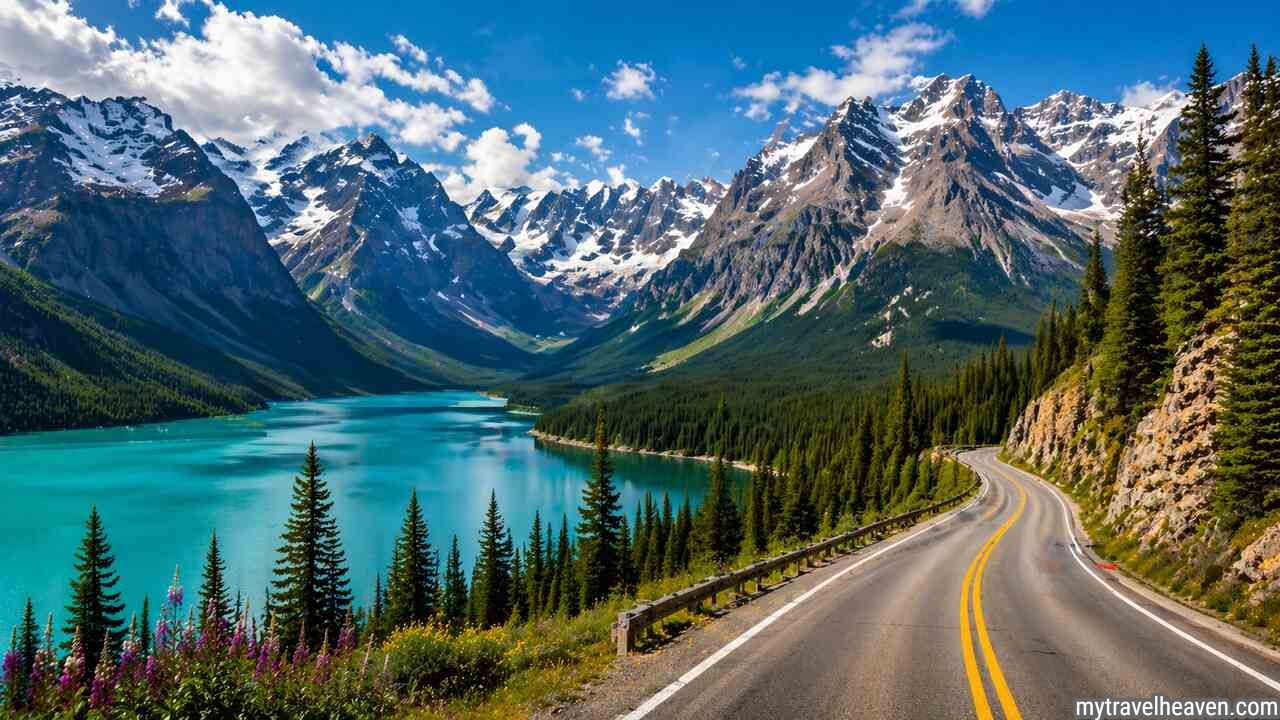
Canada offers some of the most breathtaking road trips in the world, where dramatic mountains, turquoise lakes, dense forests, and rugged coastlines come together in unforgettable landscapes. For nature lovers, scenic drives across Canada provide an immersive way to experience its vast geography while maintaining flexibility and comfort. This guide covers the most stunning routes, practical steps for planning, and detailed insights into what makes each journey remarkable.
Plan Your Route Through the Canadian Rockies
Start your journey by selecting a route through the Canadian Rockies, widely regarded as the most visually striking region in the country. The drive between Banff National Park and Jasper National Park via the Icefields Parkway delivers constant panoramic views of glaciers, alpine lakes, and towering peaks.
This route requires preparation for mountain driving conditions. Fuel stations are limited, and weather can change rapidly even in summer. Key stops include the Athabasca Glacier, Peyto Lake, and Bow Summit. Travelers should allocate at least one full day, though two to three days allow for hikes and wildlife viewing.
Driving here connects you with Canada’s ecological diversity, where you may encounter elk, bears, and mountain goats. Seasonal variation significantly impacts the experience. Summer offers clear roads and vibrant colors, while autumn adds golden larches, and winter transforms the landscape into a snow-covered wonderland.
Drive Along the Cabot Trail in Nova Scotia
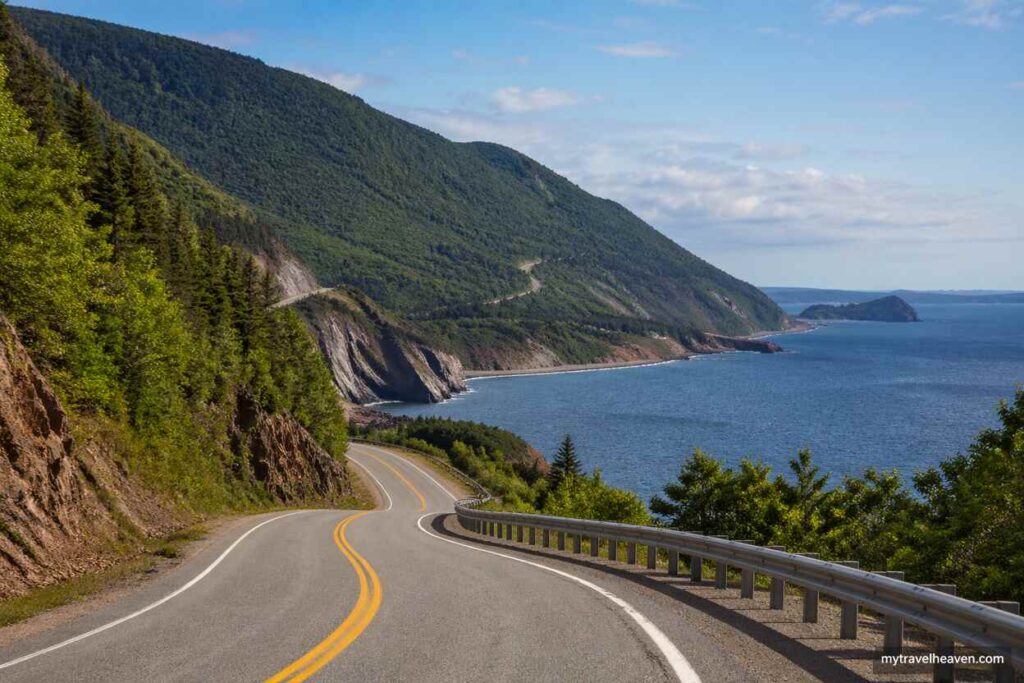
Experience coastal beauty by driving the Cabot Trail, a loop around Cape Breton Island that combines ocean cliffs with forested highlands. This drive is one of the top coastal routes in North America.
Before starting, ensure your vehicle is ready for steep inclines and winding roads. The trail passes through Cape Breton Highlands National Park, where designated viewpoints offer safe stops for photography and exploration. Small fishing villages along the route provide cultural insight and fresh seafood.
This drive stands out because of its combination of maritime and mountainous environments. Fall is particularly popular due to vibrant foliage, while summer provides clear coastal views and whale-watching opportunities.
Explore the Sea-to-Sky Highway in British Columbia
Take a shorter yet equally stunning drive along the Sea-to-Sky Highway, connecting Vancouver to Whistler. This route showcases ocean fjords, waterfalls, and mountain peaks in a compact journey.
Drivers should plan for multiple stops, including Shannon Falls and the Sea to Sky Gondola. The road is well-maintained but can become busy during peak tourist seasons, especially weekends.
This route offers accessibility without sacrificing scenery. It appeals to travelers with limited time while still delivering iconic Canadian landscapes. Winter transforms it into a gateway for skiing, while summer emphasizes hiking and climbing opportunities.
Travel the Trans-Canada Highway Through Ontario’s Wilderness
Navigate the vast wilderness of Ontario by driving a stretch of the Trans-Canada Highway along the northern shores of Lake Superior. This route provides rugged cliffs, dense forests, and expansive freshwater views.
Preparation involves planning fuel stops and accommodations, as distances between towns can be significant. Key highlights include Lake Superior Provincial Park and Agawa Bay, where you can enjoy hiking trails and scenic beaches.
This drive emphasizes solitude and scale. Unlike mountain or coastal routes, it offers a sense of remoteness and immersion in untouched nature. Autumn enhances the experience with vibrant foliage, while summer provides comfortable weather for outdoor activities.
Discover the Viking Trail in Newfoundland and Labrador
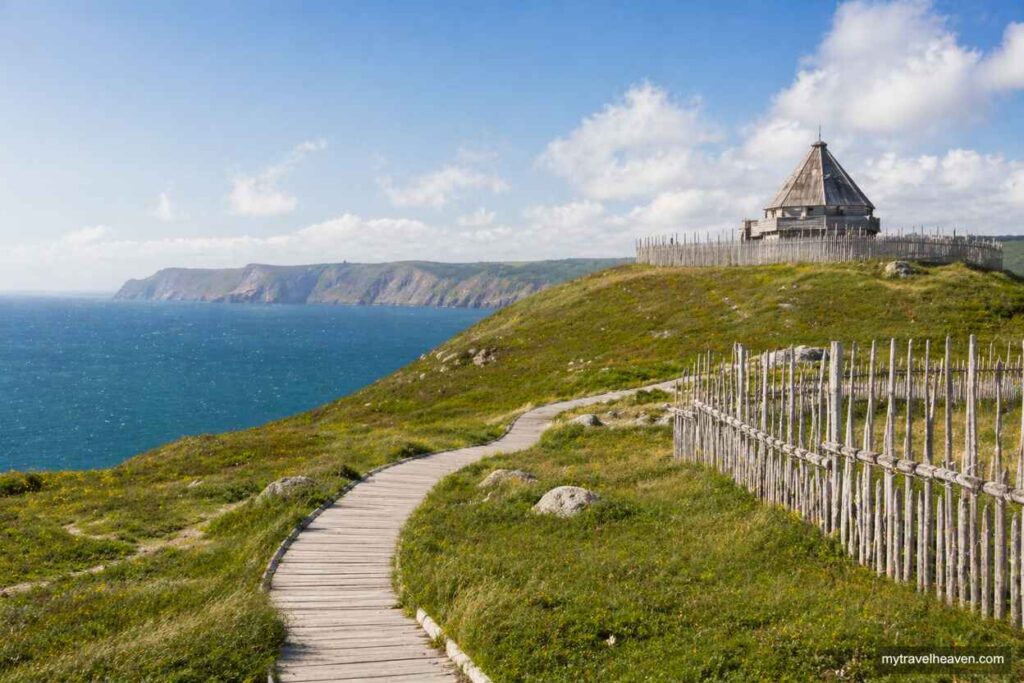
Journey through history and dramatic landscapes along the Viking Trail, which leads to Gros Morne National Park and L’Anse aux Meadows.
Travelers should prepare for variable weather and limited services in remote sections. Gros Morne features fjords, tablelands, and coastal cliffs, while L’Anse aux Meadows offers insight into early Norse settlements in North America.
This route combines natural beauty with cultural significance. It stands out for its geological diversity and historical importance, making it ideal for travelers seeking both education and scenic exploration.
Compare Canada’s Top Scenic Drives
| Route | Province | Key Features | Best Season | Ideal Duration |
|---|---|---|---|---|
| Icefields Parkway | Alberta | Glaciers, mountains, wildlife | Summer/Fall | 1–3 days |
| Cabot Trail | Nova Scotia | Coastal cliffs, forests | Fall | 2–3 days |
| Sea-to-Sky Highway | British Columbia | Ocean views, waterfalls | Year-round | 1 day |
| Lake Superior Route | Ontario | Wilderness, lakes | Summer/Fall | 2–4 days |
| Viking Trail | Newfoundland | Fjords, history | Summer | 3–5 days |
Prepare Your Vehicle and Travel Essentials
Start by ensuring your vehicle is suitable for long-distance travel. Mountain routes require reliable brakes and tires, while remote highways demand fuel efficiency and spare supplies. Weather conditions can shift quickly, especially in alpine and coastal regions.
Pack essential items such as water, snacks, maps, and emergency kits. Mobile service may be limited in remote areas, making offline navigation tools important. Travelers should also consider wildlife safety precautions, particularly in regions with bears and moose.
Preparation directly influences the quality of your trip. A well-equipped vehicle and thoughtful planning reduce stress and allow you to fully appreciate the surrounding landscapes without interruptions.
Capture the Best Scenic Moments
Photography plays a major role in scenic drives, and planning your stops enhances the results. Early morning and late afternoon provide optimal lighting conditions, especially in mountainous and coastal environments.
Use designated viewpoints and safe pull-offs to capture landscapes. Lakes, glaciers, and coastlines offer reflections and dynamic compositions. Seasonal changes also influence color palettes, from summer greens to autumn reds and winter whites.
Capturing these moments preserves the experience and allows travelers to revisit the journey long after it ends. Each route offers unique visual elements that make every photograph distinct.
Conclusion
Canada’s scenic drives provide unmatched opportunities to connect with nature across diverse landscapes. From the towering peaks of the Rockies to the rugged coastlines of the Atlantic, each route offers a unique perspective on the country’s natural beauty. Careful planning, seasonal awareness, and a spirit of exploration ensure a rewarding journey. Whether you prefer mountains, oceans, or forests, Canada delivers unforgettable road trip experiences for every nature lover.
FAQs
1. When is the best time for scenic drives in Canada?
Summer and early fall provide the most accessible conditions, though each season offers unique scenery such as autumn foliage or winter landscapes.
2. Are these routes suitable for beginners?
Yes, most routes are well-maintained, but mountain and coastal drives require careful attention due to curves and elevation changes.
3. How long should I plan for a scenic road trip?
Trips can range from a single day to several days depending on the route and how often you stop for exploration.
4. Is wildlife commonly seen on these drives?
Yes, especially in national parks and remote areas. Elk, bears, and moose are frequently spotted.
5. Do I need special permits for these routes?
National parks such as Banff and Jasper require entry passes, which can be purchased online or at park gates.
6. Can these drives be done year-round?
Some routes remain open year-round, but winter conditions may require snow tires and additional precautions.
