

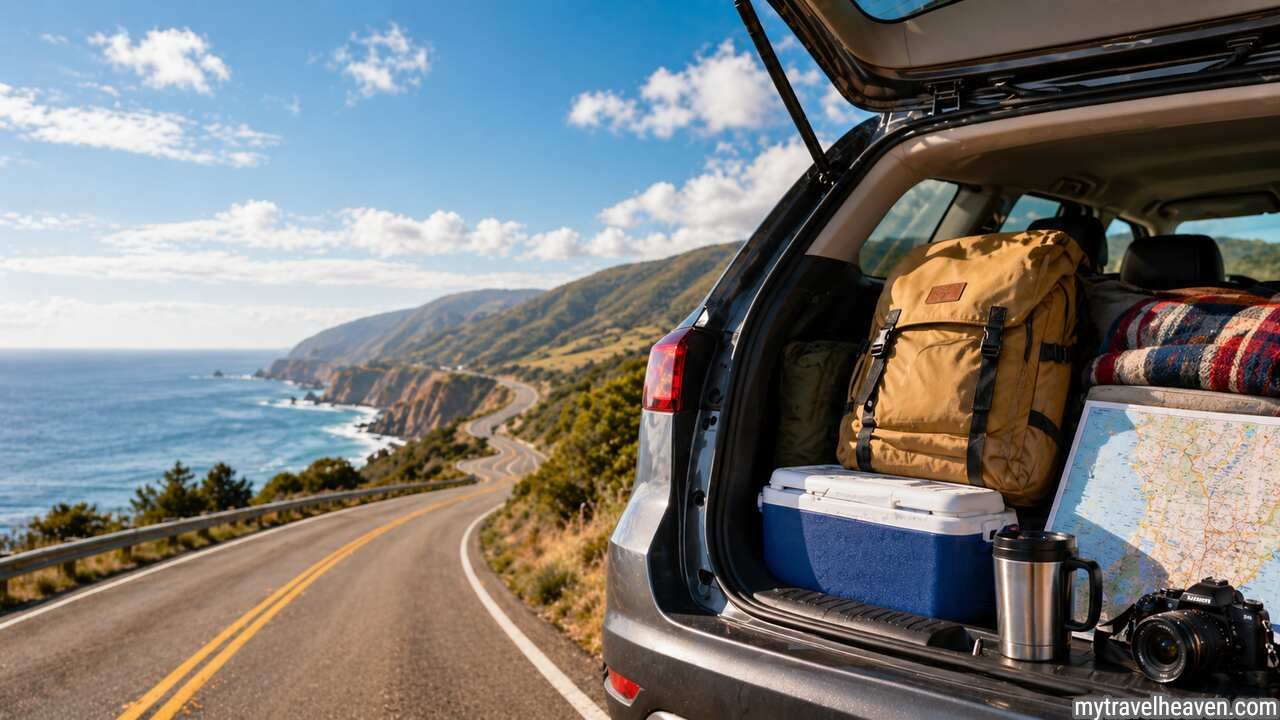
A successful road trip depends on preparation, organization, and the right set of essentials. Whether you are planning a short getaway or a cross-country adventure, having a complete checklist ensures safety, comfort, and efficiency. From vehicle readiness to packing smart gear and managing travel logistics, every detail contributes to a seamless experience. This guide provides a structured, step-by-step approach to help you prepare thoroughly and avoid common travel disruptions.
Inspect Your Vehicle Before Departure
Start your road trip preparation by ensuring your vehicle is in optimal condition. A properly maintained car reduces the risk of breakdowns and ensures safety on long routes.
Check the engine oil, coolant levels, brake fluid, and transmission fluid. Inspect tire pressure and tread depth, including the spare tire. Confirm that lights, indicators, and windshield wipers are functioning correctly. If needed, schedule a service appointment with a certified mechanic or a trusted provider like Toyota service centers or Honda maintenance facilities.
Vehicle reliability directly impacts your journey. Long-distance travel puts stress on mechanical components, so addressing minor issues early prevents costly roadside repairs. Additionally, carrying basic tools such as a jack, lug wrench, and jumper cables ensures preparedness for emergencies.
Organize Essential Documents and Identification
Secure all necessary documentation before hitting the road. Missing paperwork can lead to delays, fines, or complications during checkpoints.
Carry your driver’s license, vehicle registration, and insurance documents. If traveling across regions or countries, include permits and identification such as a passport. Store digital copies using apps like Google Drive or Dropbox for backup access.
Proper documentation ensures compliance with traffic regulations and simplifies interactions with authorities. Keeping documents organized in a waterproof folder or travel wallet adds an extra layer of security.
Pack Safety and Emergency Supplies
Safety should remain a top priority throughout your journey. A well-prepared emergency kit can make a critical difference during unexpected situations.
Include a first aid kit, flashlight, batteries, reflective warning triangles, and a fire extinguisher. Add emergency tools such as a multi-tool, duct tape, and a portable air compressor. Consider roadside assistance services like AAA for added security.
Emergencies can occur in remote areas where help is not immediately available. Having essential supplies ensures you can handle minor injuries, vehicle issues, or environmental challenges without panic.
Prepare Navigation and Route Planning Tools
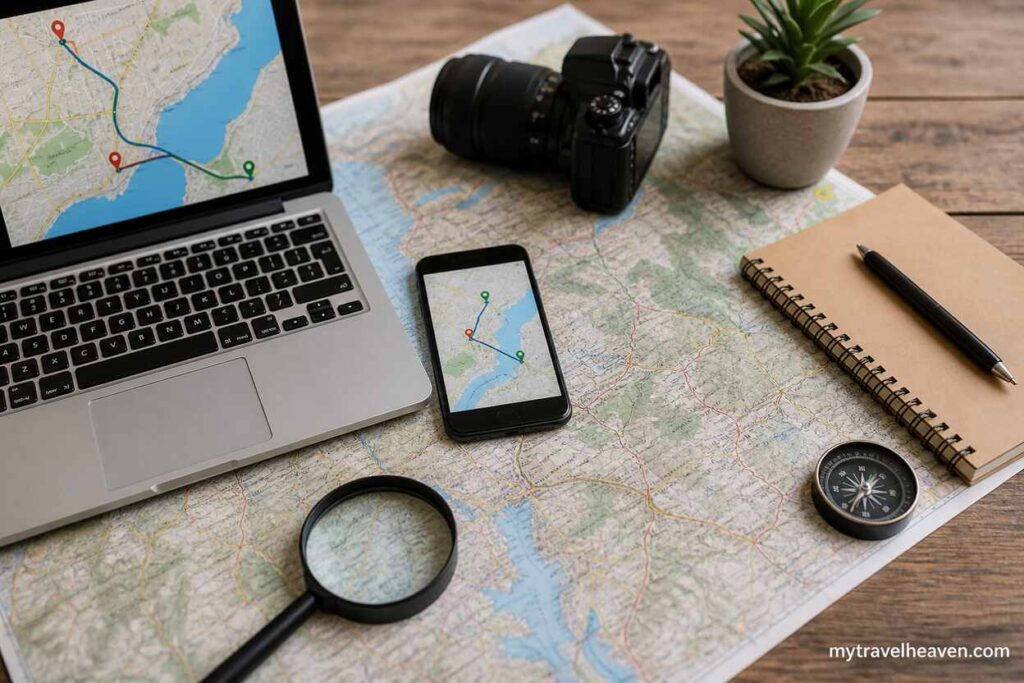
Efficient navigation prevents delays and enhances your overall travel experience. Planning your route in advance helps avoid traffic congestion and road closures.
Use navigation apps such as Google Maps or Waze for real-time updates. Download offline maps in case of limited connectivity. Mark fuel stations, rest stops, and accommodations along your route.
Route planning allows you to estimate travel time accurately and identify alternate paths. It also helps in discovering scenic routes and points of interest, adding value to your journey.
Pack Clothing and Personal Essentials Strategically
Clothing selection should align with your destination’s climate and planned activities. Packing efficiently ensures comfort without overloading your vehicle.
Bring versatile outfits, comfortable footwear, and weather-appropriate layers. Include toiletries, sunscreen, and personal hygiene items. Organize items using packing cubes for easy access.
Thoughtful packing reduces clutter and improves accessibility. Keeping essential items within reach minimizes frequent stops and enhances convenience during long drives.
Prepare Food, Snacks, and Hydration Supplies
Maintaining energy levels during a road trip requires proper nutrition and hydration. Smart food planning reduces unnecessary stops and keeps you focused on driving.
Pack non-perishable snacks such as nuts, granola bars, and dried fruits. Carry a cooler with fresh items like sandwiches and beverages. Use reusable water bottles to stay hydrated throughout the journey.
Balanced nutrition prevents fatigue and improves concentration. Having your own food also helps manage dietary preferences and reduces reliance on roadside eateries.
Set Up Entertainment and Connectivity Options
Long drives can become monotonous without entertainment. Preparing engaging options ensures a more enjoyable journey for everyone.
Download playlists on Spotify or Apple Music. Bring audiobooks or podcasts for extended listening. Equip passengers with tablets or books for additional engagement.
Entertainment reduces boredom and keeps passengers relaxed. It also helps maintain a positive atmosphere, especially during extended travel hours.
Prepare Technology and Charging Equipment
Modern road trips rely heavily on electronic devices. Ensuring proper power management prevents inconvenience during travel.
Carry car chargers, power banks, and charging cables compatible with your devices. Use multi-port adapters for simultaneous charging. Consider portable Wi-Fi devices if connectivity is essential.
Reliable access to power keeps navigation tools, communication devices, and entertainment systems functional. It also supports emergency communication when needed.
Plan Accommodation and Rest Stops in Advance
Proper rest is essential for safe driving and overall well-being. Planning stops ahead of time ensures a balanced travel schedule.
Book accommodations through platforms like Booking.com or Airbnb. Identify rest areas and scenic stops along your route.
Scheduled breaks reduce fatigue and improve alertness. They also provide opportunities to explore local attractions and enhance your travel experience.
Manage Budget and Travel Expenses Efficiently
Financial planning ensures that your road trip remains stress-free. Monitoring expenses helps avoid overspending.
Estimate costs for fuel, food, accommodation, and activities. Use budgeting apps like Mint to track spending. Keep a mix of cash and digital payment options.
Budget control allows you to allocate resources effectively and handle unexpected expenses without disruption.
Prepare for Weather and Environmental Conditions
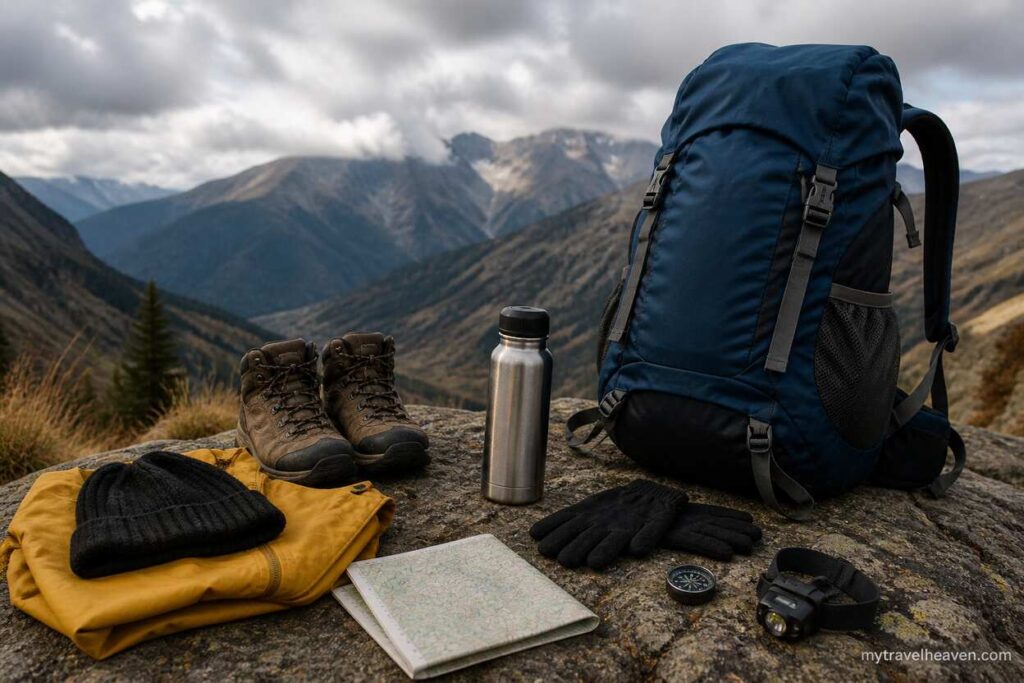
Weather conditions can significantly impact your road trip. Being prepared ensures safety and adaptability.
Check forecasts using AccuWeather or Weather Underground. Pack items such as rain gear, blankets, or sun protection depending on conditions.
Understanding environmental factors helps you adjust your route and packing strategy. It also minimizes risks associated with extreme weather.
Road Trip Packing Checklist Table
| Category | Essential Items | Optional Add-ons |
|---|---|---|
| Vehicle | Spare tire, tools, fluids | Portable air compressor |
| Documents | License, registration, insurance | Digital backups |
| Safety | First aid kit, flashlight, extinguisher | Emergency blanket |
| Navigation | GPS apps, offline maps | Printed maps |
| Clothing | Weather-appropriate outfits | Packing cubes |
| Food & Drinks | Snacks, water bottles | Cooler |
| Entertainment | Music, podcasts | Books, games |
| Technology | Chargers, power banks | Wi-Fi hotspot |
Road Trip Preparation Timeline
| Timeframe | Tasks to Complete |
|---|---|
| 1 Week Before | Vehicle inspection, route planning |
| 3 Days Before | Pack essentials, confirm bookings |
| 1 Day Before | Charge devices, prepare food, check weather |
| Departure Day | Final checks, fuel refill, document verification |
Conclusion
A well-prepared road trip transforms travel into a smooth and enjoyable experience. From vehicle readiness and safety planning to smart packing and financial management, each step contributes to a successful journey. By following this structured checklist, you reduce uncertainty, improve efficiency, and focus on creating memorable moments. Preparation is not just about avoiding problems; it is about maximizing comfort, safety, and enjoyment throughout your adventure.
FAQs
1. How early should I start preparing for a road trip?
Begin planning at least one week in advance to allow sufficient time for vehicle checks, bookings, and packing.
2. What is the most important item for a road trip?
Safety essentials, including a first aid kit and emergency tools, are critical for handling unexpected situations.
3. How can I avoid overpacking?
Focus on versatile clothing and essential items only. Use a checklist to stay organized and eliminate unnecessary सामान.
4. Should I rely only on digital navigation tools?
No, always keep offline maps or printed backups in case of connectivity issues.
5. How do I stay alert during long drives?
Take regular breaks, stay hydrated, and avoid driving when fatigued.
6. Is travel insurance necessary for road trips?
While not mandatory, it provides additional protection against unforeseen expenses and emergencies.
