

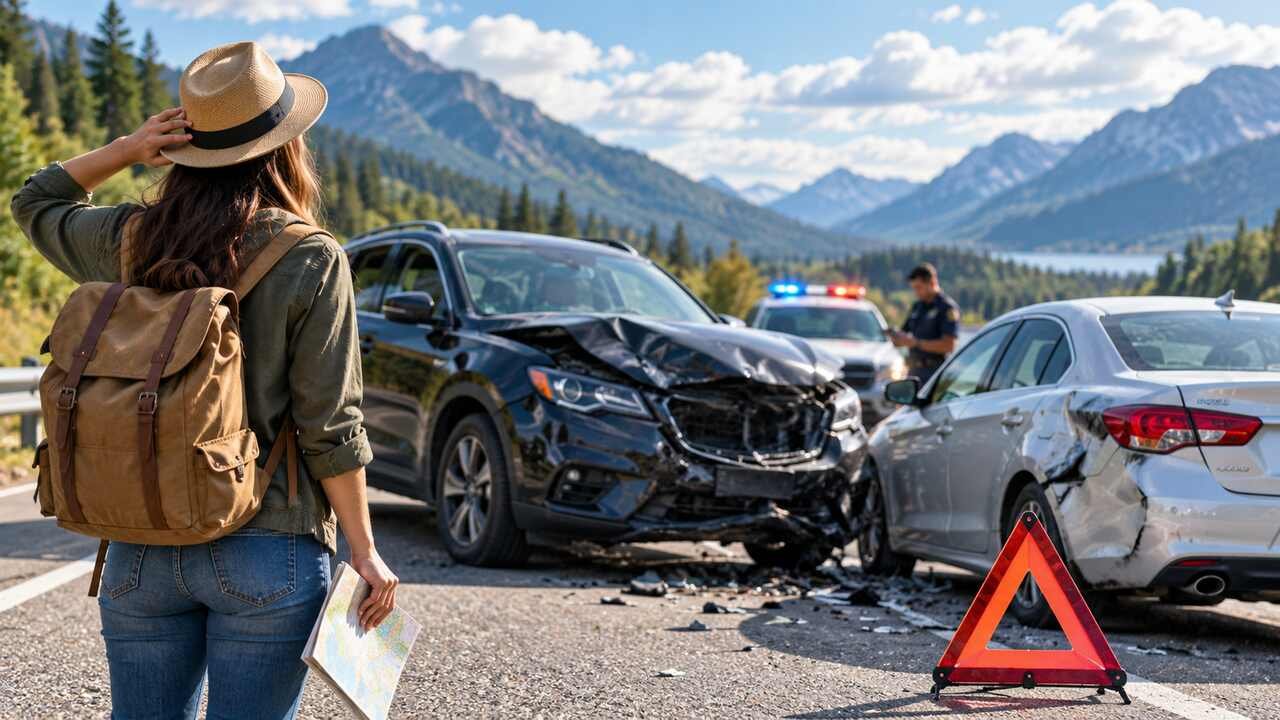
Renting a car and hitting the open road is one of the best ways to explore the United States. But traffic accidents happen every day, and visitors often find themselves confused about what to do when one occurs.
Understanding how car accidents work in the US, before you even pack your bags, can save you stress, money, and legal trouble. Here is what every traveler should know before getting behind the wheel.
Why Car Accidents Catch Travelers Off Guard
“Many visitors assume traffic rules are similar everywhere. In reality, driving laws, insurance requirements, and accident procedures vary widely across states, and what applies in one place may not apply in another,” says Morris Injury Las Vegas, a car accident lawyer.
Add unfamiliar road signs, different speed limits, and driving on the right side of the road for those used to the left, and it is easy to see why crashes involving out of town drivers are so common.
Jet lag, GPS distractions, and unfamiliar rental cars only add to the risk. A tourist navigating a new city while adjusting to time zones is far more likely to make a costly mistake behind the wheel.
Know the Basics of US Traffic Laws Before You Drive
Every state sets its own traffic laws, which means speed limits, seatbelt rules, and phone usage restrictions can shift the moment you cross a state line. Checking local laws ahead of time helps you avoid fines and dangerous surprises.
Most states also follow what is called a fault based system. This means the driver responsible for causing the crash is generally the one whose insurance pays for damages and injuries.
A smaller number of states use no fault insurance instead. Under this system, your own insurance covers your injuries regardless of who caused the accident, at least up to a certain limit.
Knowing which system applies in the state you are visiting can change how you handle a claim later. It also affects how quickly you can expect compensation after a crash.
What to Do Immediately After a Crash
The minutes right after an accident matter most. Staying calm and following a clear set of steps protects your safety and strengthens any insurance or legal claim you may need to file later.
- Check yourself and any passengers for injuries first.
- Move the vehicle out of traffic if it is safe to do so.
- Call 911 to report the crash and request medical help if needed.
- Exchange names, phone numbers, and insurance details with the other driver.
- Take photos of the vehicles, road conditions, and any visible injuries.
- Write down the names of witnesses and their contact information.
- Avoid admitting fault, even if you think the crash was partly your doing.
- Request a copy of the official police report before leaving the scene.
- Contact your rental car company to report the incident right away.
Following these steps creates a clear record of what happened. That record becomes extremely valuable once insurance companies and possibly lawyers get involved.
Dealing With Insurance as a Visitor
Insurance can feel like the most confusing part of the entire process, especially for someone unfamiliar with the US system. Rental companies often offer extra coverage, and understanding what it includes matters before you sign anything.
Basic rental insurance usually covers damage to the vehicle itself. It rarely covers medical bills, lost wages, or pain and suffering, which means an injured traveler could face unexpected costs without additional protection.
If you have travel insurance from your home country, check whether it includes coverage for car accidents abroad. Some policies offer solid protection, while others leave major gaps that surprise families during an already stressful trip.
Credit cards sometimes include rental car insurance as a built in benefit. Before your trip, call your card provider to confirm exactly what is covered and what documentation you would need after a crash.
Should You Hire a Lawyer?
Not every accident requires legal help, but serious injuries, disputed fault, or dealings with a difficult insurance company often make hiring an attorney worthwhile. A lawyer can handle paperwork while you focus on recovery.
Many personal injury attorneys work on contingency, meaning they only get paid if you win your case. This setup allows an injured visitor to get legal help without paying anything upfront out of pocket.
If you are dealing with a crash far from home, look for an attorney licensed in the state where the accident happened. Local knowledge of state laws and court systems makes a real difference in outcomes.
A good lawyer will also communicate with insurance adjusters on your behalf. This matters because adjusters sometimes offer quick, low settlements to visitors eager to return home and move on with their trip.
Before choosing representation, ask about experience with cases involving out of state or international clients. Some firms specialize in helping travelers navigate unfamiliar legal systems after a crash far from home.
Protecting Yourself Before You Even Hit the Road
The best way to handle a car accident is to reduce your chances of being in one. A little preparation before your trip goes a long way toward keeping everyone safe.
Familiarize yourself with the rental car’s controls, mirrors, and blind spots before driving away from the lot. Adjusting to a new vehicle in a parking lot is safer than learning on a busy highway.
Plan your route ahead of time so you are not relying entirely on GPS while driving through unfamiliar areas. Distraction is one of the leading causes of crashes involving out of town drivers.
Rest before long drives, especially after a flight. Fatigue slows reaction time just as much as alcohol, and many travelers underestimate how tired they really are after a long journey.
Keep important documents like your license, passport, and insurance information easily accessible in the car. Having everything ready saves time and reduces stress if you do end up in an accident.
Final Thoughts
Car accidents are never part of the travel plan, but being prepared changes everything about how you handle one. Knowing local laws, insurance options, and the right steps to take protects both your safety and your finances.
A little research before your trip can make a real difference if something goes wrong on the road. Safe travels start with informed choices, long before you ever turn the key.
