


Traveling across Europe by road transforms the journey into the destination itself. From dramatic alpine passes to sun-drenched coastal highways, every kilometer reveals cultural richness, historic landmarks, and diverse landscapes. This guide delivers detailed, actionable itineraries so you can confidently plan unforgettable European road trips with structure, efficiency, and inspiration.
Plan Your Route Across Iconic European Regions
A well-structured route ensures you experience the best of Europe without unnecessary detours. Begin by identifying regions that align with your travel style such as mountains, coastlines, or cultural capitals.
Europe’s geography allows seamless cross-border travel within the Schengen Area, enabling efficient multi-country itineraries. Popular clusters include Western Europe (France, Switzerland, Italy), Southern Europe (Spain, Portugal), and Central Europe (Germany, Austria, Czech Republic).
Route planning should consider driving distances, road conditions, and seasonal accessibility. Alpine routes like those in Swiss Alps may close in winter, while coastal drives in Amalfi Coast are best enjoyed in spring or early autumn.
Drive the Romantic Road Through Germany
Start in Würzburg and follow the famous Romantic Road south to Füssen, covering around 350 km of fairy-tale scenery.
This route highlights medieval towns such as Rothenburg ob der Tauber, Renaissance architecture, and vineyards. The highlight is Neuschwanstein Castle, often associated with storybook imagery.
Plan 3–5 days for this journey, allowing time for cultural stops, local cuisine, and scenic detours. The road is well-maintained, making it suitable for first-time European drivers.
Cruise Along Italy’s Amalfi Coast
Begin in Sorrento and drive along the winding coastal road to Salerno, passing iconic villages.
Key stops include Positano, known for its cascading houses, and Ravello, offering panoramic sea views.
Driving here requires confidence due to narrow roads and sharp turns. Consider renting a compact car and avoiding peak summer months for a smoother experience.
Explore France’s Provence Lavender Route

This route centers around Provence, especially during lavender season from June to July.
Start in Avignon and continue to Valensole Plateau, stopping at picturesque villages like Gordes.
The journey blends natural beauty with cultural heritage, including Roman ruins and local markets. Allocate 2–4 days to explore at a relaxed pace.
Journey Through the Swiss Alps Scenic Passes
Switzerland offers some of Europe’s most dramatic driving routes, including Furka Pass and Grimsel Pass.
Start in Lucerne and loop through Interlaken toward Zermatt.
Expect toll roads, high-altitude driving, and weather variability. Summer months provide the safest and most scenic conditions.
Follow Spain’s Andalusian Cultural Route
Drive through southern Spain starting in Seville and ending in Granada.
Visit landmarks such as Alhambra and the historic center of Córdoba.
This route combines Moorish architecture, flamenco culture, and diverse landscapes. Plan for 4–6 days to fully experience the region.
Compare Popular European Road Trips
| Route | Countries | Duration | Highlights | Best Time |
|---|---|---|---|---|
| Romantic Road | Germany | 3–5 days | Castles, medieval towns | May–September |
| Amalfi Coast | Italy | 2–4 days | Coastal cliffs, villages | April–June |
| Provence Route | France | 2–4 days | Lavender fields, villages | June–July |
| Swiss Alps | Switzerland | 3–5 days | Mountain passes, lakes | June–September |
| Andalusian Route | Spain | 4–6 days | Historic cities, الثقافة | March–May |
Prepare Essential Documents and Driving Requirements
Before departure, ensure all required documents are valid and accessible.
Travelers typically need a passport, valid driver’s license, and possibly an International Driving Permit depending on origin. Car rental agreements and insurance documentation are mandatory when driving across borders.
European driving laws vary by country. Speed limits, toll systems, and environmental zones differ significantly, especially in cities like Paris or Milan. Research each destination in advance to avoid fines or restrictions.
Book the Right Vehicle for European Roads
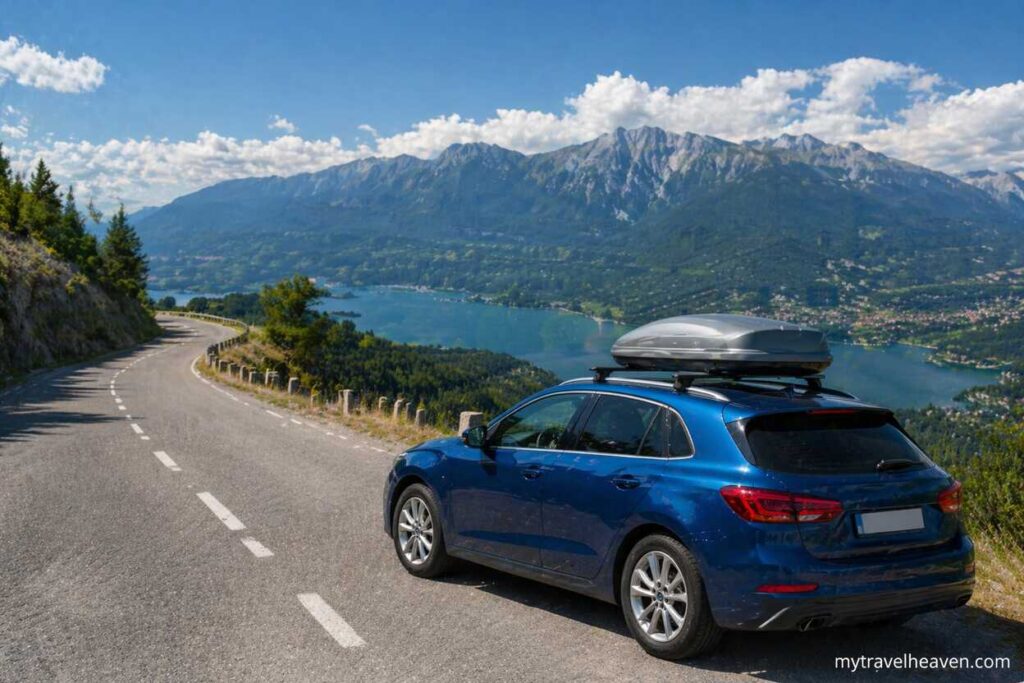
Choosing the correct vehicle enhances both comfort and safety throughout your journey.
Compact cars are ideal for narrow roads in Italy and France, while SUVs offer better handling in mountainous regions like Switzerland. Manual transmission vehicles are more common and often cheaper to rent.
Rental companies such as Europcar and Sixt provide cross-border travel options, but always confirm policies beforehand.
Optimize Accommodation Stops Along the Route
Strategic overnight stops reduce fatigue and maximize sightseeing opportunities.
Book accommodations in central or scenic locations, such as countryside villas in Provence or lakeside hotels in Switzerland. Cities along major routes often provide better infrastructure and parking facilities.
Mix accommodation types including hotels, guesthouses, and boutique stays for a richer travel experience. Advance booking is recommended during peak travel seasons.
Manage Navigation, Fuel, and Budget Efficiently
Efficient resource management ensures a smooth and stress-free journey.
Use navigation apps like Google Maps or Waze for real-time traffic updates. Fuel prices vary significantly across Europe, with Switzerland and Italy generally being more expensive.
Budget planning should include tolls, parking fees, meals, and attraction tickets. Carry both digital and cash payment options for flexibility.
Conclusion
European road trips combine freedom, diversity, and immersive travel experiences in a way few other journeys can match. Whether navigating Germany’s medieval towns, Italy’s dramatic coastlines, France’s lavender fields, Switzerland’s alpine passes, or Spain’s cultural heartlands, each itinerary offers unique value. With proper planning, the right vehicle, and a structured route, you can transform a simple drive into an unforgettable adventure across some of the world’s most captivating destinations.
FAQs
1. Do I need an International Driving Permit in Europe?
It depends on your home country and destination. Many EU countries require it alongside your original license.
2. Are European roads safe for tourists?
Yes, Europe has well-maintained roads and clear signage, though some regions like the Amalfi Coast require careful driving.
3. How much does a European road trip cost?
Costs vary, but expect expenses for fuel, tolls, accommodation, and rentals. Budget travelers can manage €80–€150 per day.
4. Can I drive between European countries easily?
Yes, especially within the Schengen Area, where border crossings are usually seamless.
5. What is the best time for a European road trip?
Late spring and early autumn offer ideal weather, fewer crowds, and better driving conditions.
