

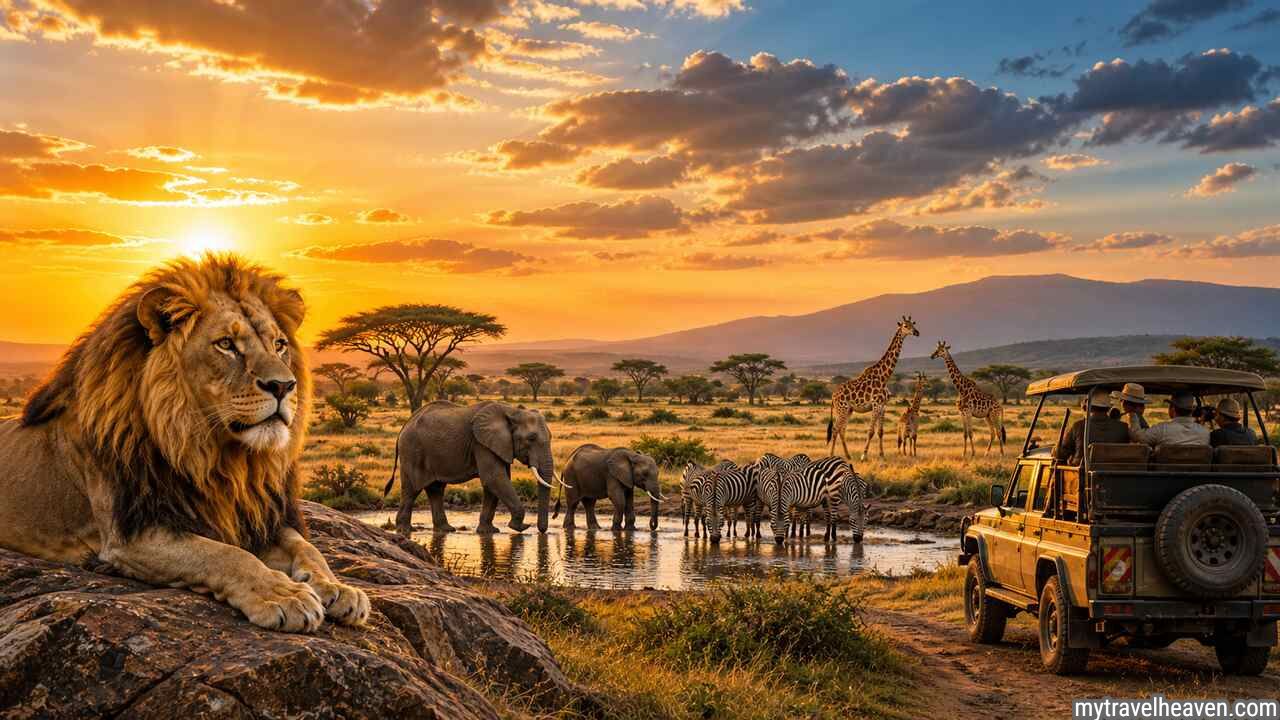
Africa offers some of the most extraordinary safari adventures in the world, where vast landscapes, diverse ecosystems, and incredible wildlife encounters create unforgettable journeys. From the sweeping plains of Serengeti National Park to the lush waterways of Okavango Delta, each destination delivers a unique perspective on nature. This guide provides a complete roadmap to planning and experiencing the best safari adventures across Africa, ensuring you make informed decisions and maximize every moment in the wild.
Choose the Right Safari Destination
Selecting the ideal safari destination determines the type of wildlife, scenery, and overall experience you will encounter. Africa is vast, and each region offers distinct ecosystems that shape animal behavior and viewing opportunities.
East Africa, particularly Kenya and Tanzania, is known for open savannahs and dramatic wildlife spectacles. The Maasai Mara National Reserve and Serengeti National Park host the famous Great Migration, where millions of wildebeest and zebras move in search of fresh grazing.
Southern Africa, including South Africa, Botswana, and Namibia, offers diverse landscapes ranging from deserts to wetlands. Kruger National Park provides accessibility and excellent infrastructure, while Etosha National Park delivers unique salt pan scenery.
Central and lesser-visited regions such as Rwanda and Uganda focus on primate safaris, particularly mountain gorilla trekking in Volcanoes National Park and Bwindi Impenetrable Forest.
Plan the Best Time for Safari Travel
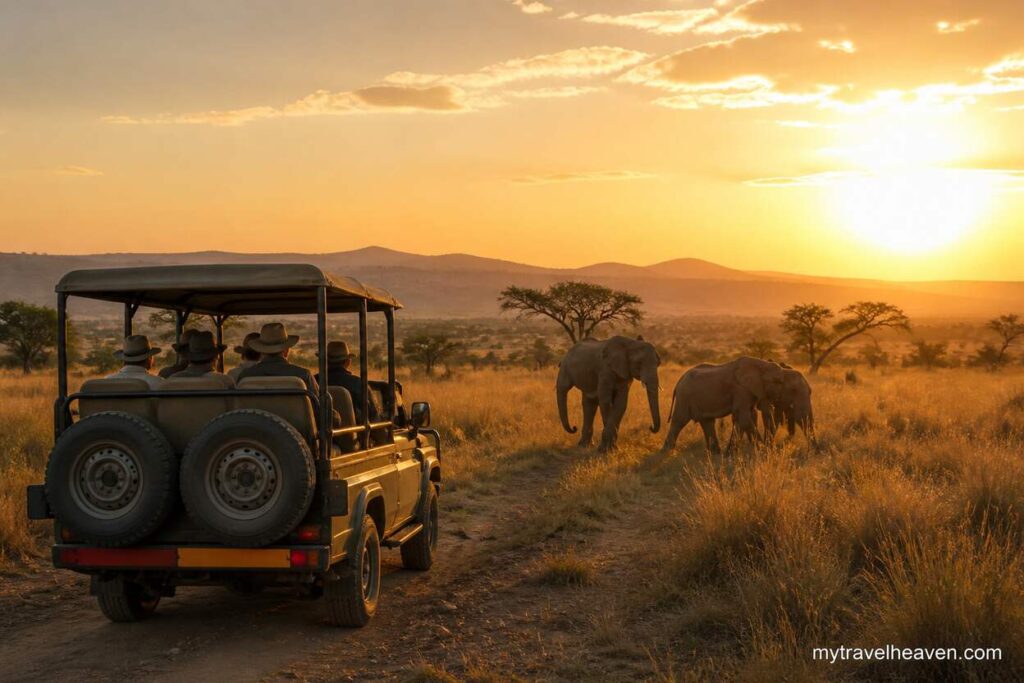
Timing plays a crucial role in safari success, as wildlife visibility depends on seasonal patterns, rainfall, and migration cycles.
Dry seasons generally provide the best game viewing because animals gather around water sources. In East Africa, June to October is ideal for witnessing the Great Migration crossings. Southern Africa also experiences peak wildlife visibility during its dry winter months.
Wet seasons, while less predictable for sightings, offer lush landscapes, fewer tourists, and excellent birdwatching opportunities. Regions like Okavango Delta transform into a water paradise during seasonal flooding, attracting a wide range of species.
Understanding regional climate differences helps refine your itinerary. For example, Namibia remains relatively dry year-round, making it a good option for consistent travel planning.
Select the Ideal Safari Type
Different safari styles provide varied levels of comfort, adventure, and interaction with wildlife. Choosing the right type aligns your expectations with the experience.
Game drives are the most common and accessible safari option, typically conducted in 4×4 vehicles with experienced guides. These drives allow close encounters with animals while covering large distances efficiently.
Walking safaris offer a more immersive experience, allowing you to explore the bush on foot under expert supervision. Locations like South Luangwa National Park are renowned for this approach.
Boat and canoe safaris, especially in the Okavango Delta, provide a unique perspective on aquatic ecosystems, where hippos, crocodiles, and birdlife thrive.
Hot air balloon safaris in Serengeti National Park deliver breathtaking aerial views of wildlife and landscapes at sunrise.
Book the Right Safari Accommodation
Accommodation significantly influences comfort, access to wildlife, and overall safari quality. Options range from budget camps to ultra-luxury lodges.
Luxury lodges offer premium amenities, private game drives, and exclusive locations within reserves. Properties in Sabi Sands Game Reserve are known for high-end experiences and exceptional leopard sightings.
Mid-range tented camps balance comfort and authenticity, providing close proximity to nature while maintaining essential conveniences.
Mobile camps follow wildlife movements, particularly during the Great Migration in Serengeti National Park, ensuring optimal viewing opportunities.
Budget accommodations and public campsites in Kruger National Park allow self-drive safaris and cost-effective travel.
Prepare Essential Safari Gear
Proper preparation enhances comfort and ensures you are ready for varying conditions during your safari.
Clothing should be lightweight, breathable, and neutral-colored to blend into the environment. Earth tones such as khaki, brown, and green help avoid attracting attention from wildlife.
Binoculars and cameras are essential for capturing distant animals and preserving memories. A zoom lens is particularly useful for photography enthusiasts.
Health preparations include vaccinations, malaria prophylaxis where required, and travel insurance. Regions like Uganda and Rwanda may have specific health recommendations.
Packing essentials also include sunscreen, insect repellent, reusable water bottles, and a daypack for excursions.
Understand Key Wildlife Experiences
African safaris are defined by the animals you encounter, and understanding key species enhances your appreciation of each sighting.
The Big Five—lion, leopard, elephant, rhino, and buffalo—are often the primary focus for travelers. Parks like Kruger National Park and Maasai Mara National Reserve provide excellent opportunities to see all five.
Predator interactions, including hunts and territorial behavior, are highlights in regions like the Serengeti National Park.
Herbivores such as giraffes, zebras, and antelopes contribute to the ecological balance and are abundant across most parks.
Unique experiences like gorilla trekking in Bwindi Impenetrable Forest allow close encounters with endangered species in dense habitats.
Compare Top Safari Destinations
| Destination | Country | Key Attraction | Best Time to Visit |
|---|---|---|---|
| Serengeti National Park | Tanzania | Great Migration | June–October |
| Maasai Mara | Kenya | Big Five, river crossings | July–October |
| Kruger National Park | South Africa | Self-drive safaris | May–September |
| Okavango Delta | Botswana | Water-based safaris | June–August |
| Etosha National Park | Namibia | Salt pans, waterholes | May–October |
Each destination provides a different combination of wildlife density, landscape diversity, and accessibility.
Evaluate Safari Costs and Budget
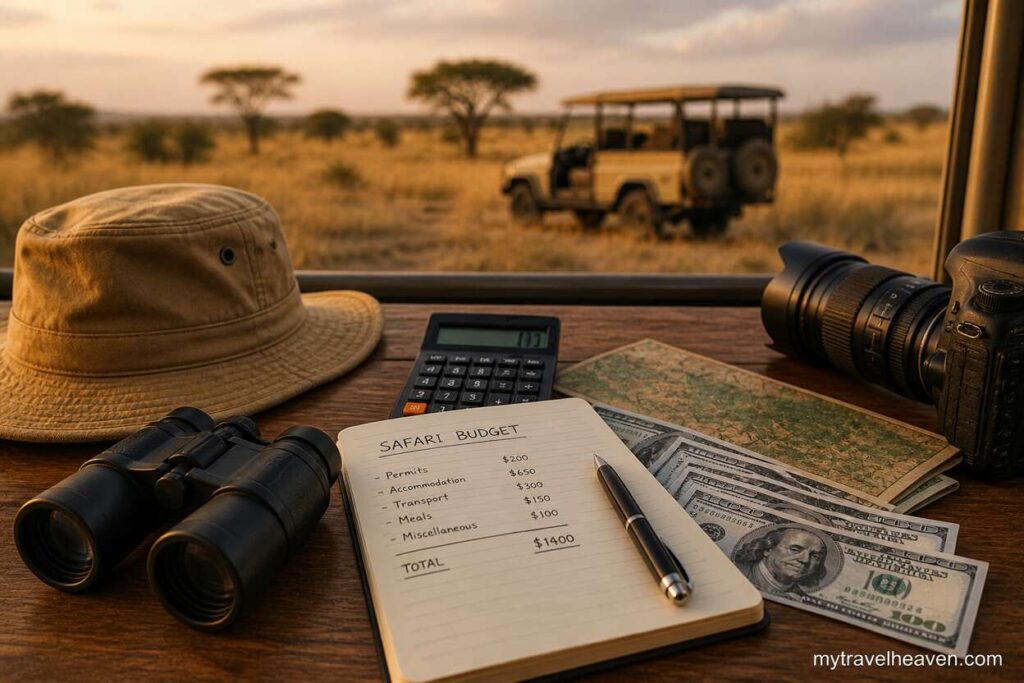
Safari pricing varies widely depending on destination, accommodation level, and travel style. Understanding cost factors helps you plan effectively.
Luxury safaris in Botswana and private reserves in South Africa can exceed $1000 per night, offering exclusivity and premium services.
Mid-range safaris typically range between $250 and $600 per night, providing guided experiences and comfortable lodging.
Budget safaris, particularly in Kenya and Tanzania, can cost under $200 per day, especially for group tours.
Additional costs include park fees, internal flights, tipping, and optional activities like balloon safaris.
Follow Responsible Safari Practices
Ethical travel ensures conservation and supports local communities. Responsible safari behavior protects wildlife and preserves ecosystems.
Maintain safe distances from animals and follow guide instructions at all times. Avoid feeding wildlife or making loud noises that disrupt natural behavior.
Choose eco-friendly lodges and operators that contribute to conservation initiatives. Regions like Botswana emphasize low-impact tourism policies.
Support local communities by purchasing crafts, hiring local guides, and respecting cultural traditions.
Organize Travel Logistics and Documentation
Planning logistics ensures a smooth safari experience without unexpected disruptions.
Visa requirements vary by country. Travelers visiting Kenya or Tanzania often need e-visas, while South Africa may allow visa-free entry for certain nationalities.
Flights typically route through major hubs like Nairobi or Johannesburg before connecting to smaller airstrips near safari parks.
Travel insurance is essential for medical emergencies, trip cancellations, and evacuation coverage, especially in remote areas.
Compare Safari Types and Experiences
| Safari Type | Experience Level | Best Location | Unique Feature |
|---|---|---|---|
| Game Drive | Beginner | Kruger National Park | Easy wildlife access |
| Walking Safari | Advanced | South Luangwa | Close-to-nature experience |
| Canoe Safari | Moderate | Okavango Delta | Water-based exploration |
| Balloon Safari | Luxury | Serengeti | Aerial wildlife views |
Each safari type offers a different way to engage with the African wilderness.
Conclusion
Africa’s safari adventures deliver unmatched wildlife encounters, diverse landscapes, and deeply immersive travel experiences. Whether exploring the vast plains of Serengeti National Park, navigating the waterways of Okavango Delta, or tracking gorillas in Bwindi Impenetrable Forest, every journey offers something extraordinary. By choosing the right destination, timing your visit, and preparing thoroughly, you can create a safari experience that is both meaningful and unforgettable.
FAQs
1. Which African country is best for a first-time safari?
South Africa is ideal due to its infrastructure, affordability, and accessibility, especially in Kruger National Park.
2. When is the best time to see the Great Migration?
The best time is between July and October in Maasai Mara National Reserve and Serengeti National Park.
3. Are safaris safe for travelers?
Yes, safaris are generally safe when conducted with licensed guides and reputable operators.
4. How many days are ideal for a safari?
A duration of 5 to 10 days allows sufficient time to explore multiple parks and maximize wildlife sightings.
5. What animals can I expect to see on a safari?
You can expect to see lions, elephants, giraffes, zebras, and potentially the full Big Five depending on the location.
6. Do I need vaccinations for an African safari?
Yes, vaccinations and health precautions depend on the country. Consult a travel clinic before visiting destinations like Uganda or Rwanda.
