

Introduction
Preparing for a trekking trip abroad requires more than just enthusiasm and a backpack. It involves careful planning, physical readiness, legal documentation, and smart gear selection to ensure safety and enjoyment in unfamiliar terrain. Whether you are heading to mountainous regions, remote forests, or high-altitude trails, every detail matters. This guide provides a structured, step-by-step approach to help you organize every aspect of your international trekking journey efficiently and confidently.
Choose the Right Trekking Destination Based on Skill Level
Selecting a destination that matches your physical ability and trekking experience is the foundation of a successful trip. A beginner should opt for well-marked trails with moderate elevation, while experienced trekkers can handle remote and high-altitude routes.
Each destination comes with specific challenges such as altitude, weather, terrain difficulty, and accessibility. Research trail conditions, seasonal variations, and required permits before making a decision. Countries like Nepal, Peru, and Switzerland offer diverse trekking options suitable for different levels.
Your choice also influences the type of gear, fitness preparation, and budget required. High-altitude treks demand acclimatization strategies, while jungle treks require protection against humidity and insects.
Research Visa Requirements and Travel Regulations
Before booking your trip, ensure that you meet all entry requirements for your destination country. Visa policies vary depending on nationality and duration of stay.
Some countries offer visa-on-arrival, while others require advance applications. In addition to visas, check for trekking permits, national park fees, and restricted area access permissions. These documents are often mandatory for popular trekking regions.
Failure to comply with legal requirements can result in denied entry or fines. Always keep both digital and physical copies of your documents, including passport, permits, and travel insurance.
Build Physical Fitness and Endurance for Trekking
Physical preparation significantly impacts your trekking experience. Start training at least 6 to 8 weeks before your trip to build stamina, strength, and flexibility.
Focus on cardiovascular exercises such as running, cycling, and hiking. Strength training should target legs, core, and back muscles to support long hours of walking with a backpack. Practice hiking with weight to simulate real conditions.
Consistency in training reduces the risk of injuries and fatigue. It also improves your ability to handle altitude changes and challenging terrain during the trek.
Select Appropriate Trekking Gear and Equipment
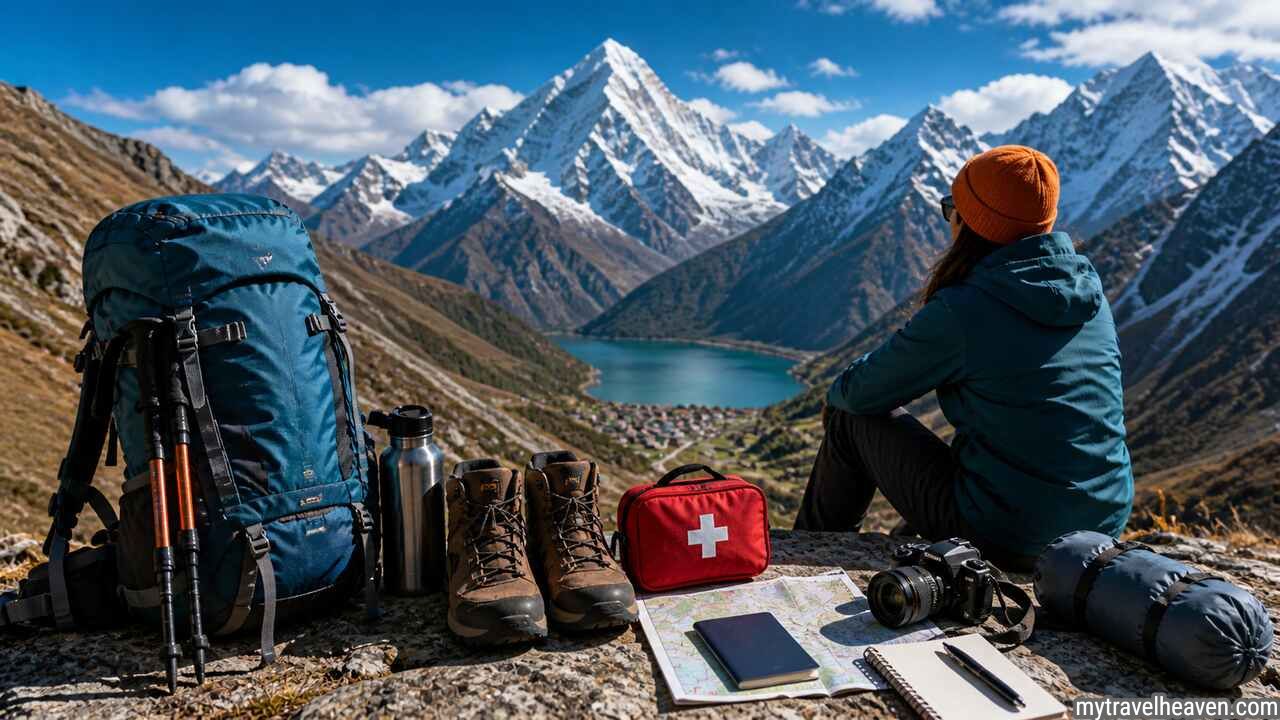
Choosing the right gear ensures comfort, safety, and efficiency throughout your trek. Essential items include trekking boots, weather-appropriate clothing, backpack, sleeping bag, and navigation tools.
Layered clothing is crucial for adapting to changing weather conditions. Waterproof jackets, thermal wear, and breathable fabrics help maintain body temperature. Footwear must provide grip, ankle support, and durability.
Investing in quality gear reduces the chances of equipment failure. Test your gear before the trip to ensure proper fit and functionality.
Plan a Detailed Trekking Itinerary
A well-structured itinerary helps manage time, energy, and resources effectively. Outline daily trekking distances, rest stops, and overnight stays.
Consider altitude gain per day to prevent altitude sickness. Include buffer days for weather changes or unexpected delays. Research available accommodations such as campsites, lodges, or huts.
Sharing your itinerary with someone at home adds an extra layer of safety. It ensures that someone is aware of your whereabouts in case of emergencies.
Arrange Travel Insurance with Trekking Coverage
Travel insurance is essential for international trekking trips, especially in remote or high-risk areas. Choose a policy that covers medical emergencies, evacuation, trip cancellation, and lost belongings.
Not all insurance plans include high-altitude trekking or adventure activities. Verify coverage limits and exclusions carefully before purchasing.
Medical evacuation from remote areas can be extremely expensive. Having proper insurance ensures financial protection and access to emergency services when needed.
Pack Smartly with Essential Trekking Supplies
Efficient packing reduces unnecessary weight while ensuring you have everything required for the trek. Focus on multi-purpose items and prioritize essentials.
Below is a sample packing checklist:
| Category | Essential Items |
|---|---|
| Clothing | Base layers, jackets, socks, gloves |
| Gear | Backpack, trekking poles, headlamp |
| Health | First aid kit, medications, sunscreen |
| Food & Hydration | Energy bars, water bottles, purifier |
| Navigation | Map, compass, GPS device |
Organize items using packing cubes or dry bags for easy access. Keep frequently used items within reach.
Prepare for Weather and Environmental Conditions
Weather conditions can vary drastically depending on location and altitude. Understanding the climate helps you pack appropriately and plan your trekking schedule.
Check seasonal weather patterns such as monsoon, snowfall, or extreme heat. Sudden weather changes are common in mountainous regions, so always be prepared for unexpected conditions.
Environmental factors such as altitude, humidity, and terrain affect your body differently. Preparing for these conditions minimizes risks and enhances comfort.
Learn Basic Navigation and Survival Skills
Navigation skills are essential, especially in remote areas where trails may not be clearly marked. Learn how to read maps, use a compass, and operate GPS devices.
Basic survival skills include setting up shelter, starting a fire, and finding safe drinking water. Understanding these skills increases your self-reliance during emergencies.
Taking a short survival or trekking course before your trip can significantly improve your preparedness and confidence.
Understand Altitude Sickness and Prevention Methods
Altitude sickness is a common risk in high-elevation treks. Symptoms include headache, nausea, dizziness, and shortness of breath.
Gradual ascent is the most effective prevention method. Allow your body time to acclimatize by limiting daily altitude gain and including rest days.
Stay hydrated, avoid alcohol, and monitor your body for symptoms. Descend immediately if symptoms worsen, as severe altitude sickness can be life-threatening.
Manage Food and Hydration During the Trek
Proper nutrition and hydration are crucial for maintaining energy levels. Carry lightweight, high-calorie foods such as nuts, dried fruits, and energy bars.
Water sources may not always be safe to drink. Use purification tablets, filters, or boiling methods to ensure clean water.
Eating small, frequent meals helps sustain energy throughout the trek. Avoid skipping meals, especially during physically demanding days.
Arrange Local Guides or Trekking Support (If Needed)
Hiring a local guide can enhance your trekking experience, especially in unfamiliar or challenging regions. Guides provide navigation assistance, cultural insights, and safety support.
Porters can help carry heavy loads, allowing you to focus on the trek itself. This is particularly useful for long or high-altitude treks.
Ensure that guides and support staff are licensed and experienced. Ethical treatment and fair wages for porters should always be considered.
Budget and Manage Trekking Expenses Efficiently
Planning your budget helps avoid unexpected financial stress during your trip. Expenses include flights, accommodation, permits, gear, food, and guide services.
Here is a general breakdown:
| Expense Category | Estimated Share of Budget |
|---|---|
| Flights | 30% |
| Accommodation | 20% |
| Permits & Fees | 10% |
| Food | 15% |
| Gear | 15% |
| Miscellaneous | 10% |
Tracking your expenses ensures better financial control and allows you to allocate funds effectively.
Practice Responsible and Sustainable Trekking
Responsible trekking protects the environment and respects local communities. Follow the “leave no trace” principle by minimizing waste and avoiding damage to natural areas.
Respect local customs, traditions, and wildlife. Avoid using single-use plastics and carry reusable items whenever possible.
Sustainable practices ensure that trekking destinations remain preserved for future travelers.
Prepare Emergency Contacts and Backup Plans
Having an emergency plan is crucial when trekking abroad. Share your itinerary with family or friends and provide them with emergency contact details.
Carry a list of local emergency numbers, embassy contacts, and insurance helpline details. Satellite phones or emergency beacons can be useful in remote areas.
Backup plans for route changes, weather disruptions, or health issues ensure that you can respond effectively to unexpected situations.
Conclusion
Preparing for a trekking trip abroad requires a combination of planning, physical readiness, and awareness of environmental and legal factors. From selecting the right destination to packing smartly and ensuring safety measures, each step contributes to a smooth and enjoyable experience. A well-prepared trekker is not only more confident but also better equipped to handle challenges along the journey. By following these structured steps, you can transform your trekking adventure into a सुरक्षित, memorable, and rewarding experience.
FAQs
1. How early should I start preparing for an international trekking trip?
You should begin preparations at least 2 to 3 months in advance to allow time for fitness training, documentation, and gear selection.
2. Do I need travel insurance for trekking abroad?
Yes, travel insurance with trekking coverage is essential, especially for high-altitude or remote treks.
3. What is the most important gear for trekking?
Proper trekking boots, weather-appropriate clothing, and a reliable backpack are the most critical items.
4. How can I prevent altitude sickness?
Gradual ascent, proper hydration, and rest days are key to preventing altitude sickness.
5. Is it necessary to hire a guide for trekking abroad?
It depends on the difficulty and location of the trek. Guides are recommended for remote or challenging routes.
6. How do I ensure safe drinking water during the trek?
Use water purification methods such as tablets, filters, or boiling to make water safe for consumption.
