

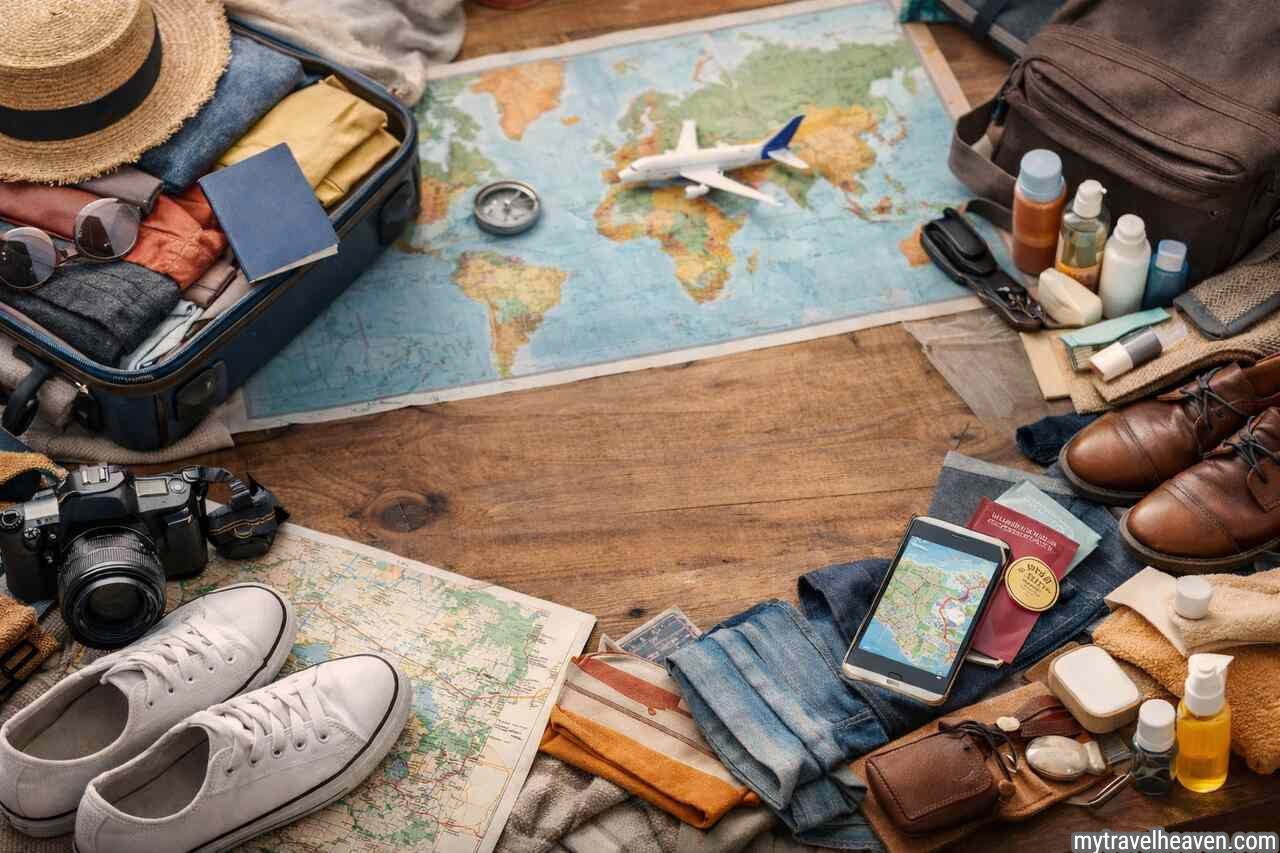
Travel becomes smoother, more enjoyable, and stress-free when every essential item is packed with purpose. A well-structured packing list ensures preparedness across different climates, trip durations, and travel styles. Whether planning a short getaway, business trip, or long international journey, organizing your belongings strategically prevents last-minute panic and unnecessary expenses.
This comprehensive guide walks through every step required to build the ultimate travel packing list. Each section focuses on actionable steps so you can prepare efficiently, minimize luggage weight, and maximize convenience during your trip.
Choose the Right Luggage for Your Trip
Selecting the appropriate luggage determines how efficiently you can pack and move throughout your journey. A short trip often requires a carry-on suitcase or backpack, while longer trips may demand checked luggage with larger capacity.
Different luggage types serve different purposes. Hard-shell suitcases provide durability and protection for fragile items. Soft-shell bags offer flexibility and expandability. Travel backpacks are ideal for mobility, especially for adventure trips or destinations with uneven terrain.
Consider airline restrictions, storage needs, and portability before making a choice. Lightweight luggage with spinner wheels reduces physical strain, while compartments and organizational features improve accessibility.
Organize Essential Travel Documents
Keeping travel documents secure and accessible is critical for a smooth journey. Essential documents include passports, visas, boarding passes, travel insurance, and identification cards.
Digital backups play an important role in preventing disruptions. Store scanned copies in cloud storage or secure apps. Physical copies should be placed in a waterproof document holder.
Travel requirements vary by destination. Some countries require additional documentation such as vaccination certificates or entry forms. Preparing these in advance ensures faster check-ins and avoids delays at immigration points.
Pack Clothing Based on Climate and Duration
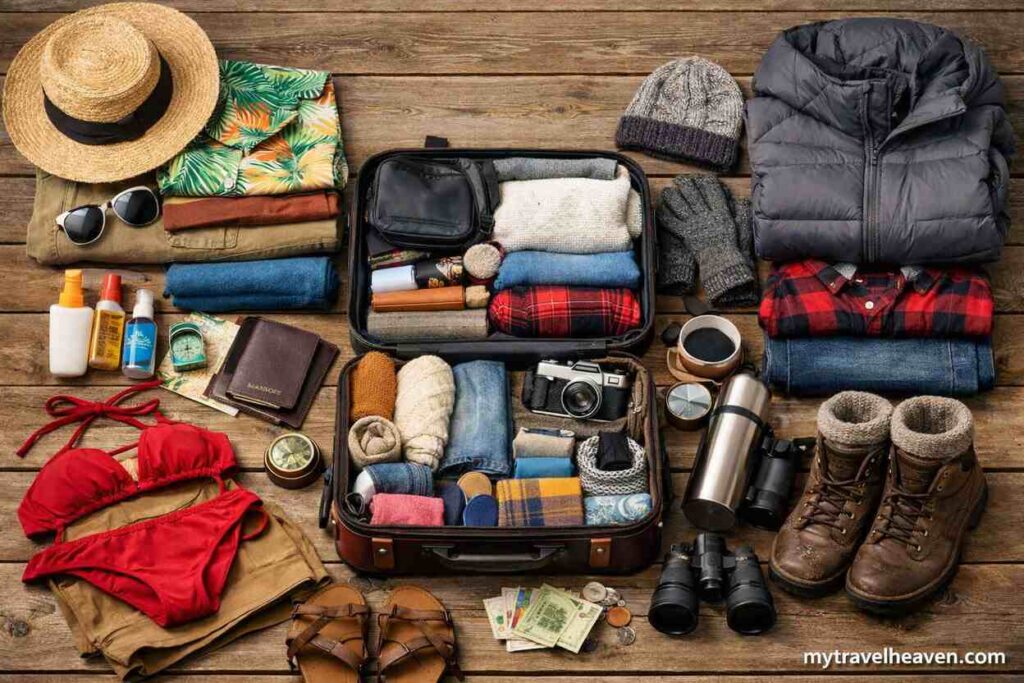
Clothing should match both the destination’s climate and the length of your stay. Packing versatile pieces reduces luggage weight while maintaining outfit flexibility.
Layering is a practical approach. Lightweight base layers, mid-layers like sweaters, and outerwear such as jackets adapt to temperature changes. Neutral colors allow easy mixing and matching.
Consider activities planned during the trip. Formal wear may be required for business events, while casual and activewear suit leisure travel. Packing cubes can help organize outfits by day or category.
Clothing Essentials Checklist
| Category | Items Included | Quantity Suggestion |
|---|---|---|
| Tops | T-shirts, shirts, blouses | 3–7 |
| Bottoms | Jeans, trousers, shorts | 2–4 |
| Outerwear | Jacket, hoodie, coat | 1–2 |
| Undergarments | Underwear, socks | Daily use |
| Sleepwear | Pajamas | 1–2 |
| Special Wear | Swimwear, formal outfits | As needed |
Include Toiletries and Personal Care Items
Personal hygiene products maintain comfort and health throughout the trip. Toiletries should be packed in leak-proof containers and organized in a dedicated pouch.
Basic items include toothbrush, toothpaste, shampoo, conditioner, deodorant, and skincare products. Travel-sized containers reduce bulk and comply with airline liquid restrictions.
Special care items may vary depending on individual needs. These include makeup kits, grooming tools, and personal hygiene products. Packing familiar products helps maintain routine even in unfamiliar environments.
Prepare a Compact First Aid and Health Kit
Health preparedness ensures that minor medical issues do not disrupt your travel experience. A compact first aid kit should include bandages, antiseptic wipes, pain relievers, and any prescription medications.
Travel-specific health considerations include motion sickness tablets, allergy medication, and digestive aids. These items address common travel-related discomforts.
Different destinations may present unique health risks. Carrying insect repellent, sunscreen, or altitude sickness medication may be necessary depending on the location.
Pack Travel Gadgets and Electronics
Modern travel relies heavily on electronic devices for navigation, communication, and entertainment. Essential gadgets include smartphones, chargers, power banks, and headphones.
Adapters and converters are crucial for international travel. Different countries use varying plug types and voltage systems, so universal adapters ensure compatibility.
Protective accessories such as waterproof cases and cable organizers enhance durability and convenience. Keeping electronics in a dedicated compartment prevents damage and tangling.
Carry Money, Cards, and Payment Essentials
Financial preparedness ensures uninterrupted access to funds throughout the trip. Carry a mix of payment options including cash, debit cards, and credit cards.
Local currency is essential for small purchases, especially in areas where digital payments are limited. Informing your bank about travel plans helps prevent transaction issues.
Security measures play an important role. Use RFID-blocking wallets and distribute money across different bags to minimize loss in case of theft.
Payment Methods Comparison
| Method | Advantages | Limitations |
|---|---|---|
| Cash | Widely accepted | Risk of loss |
| Credit Card | Secure and convenient | Foreign transaction fees |
| Debit Card | Direct access to bank funds | ATM availability varies |
| Digital Apps | Fast and contactless payments | Requires internet access |
Add Travel Comfort and Convenience Items
Comfort items enhance the overall travel experience, especially during long journeys. Neck pillows, eye masks, and earplugs help improve sleep during flights or road trips.
Reusable water bottles and snacks keep you hydrated and energized. Travel blankets provide additional comfort in cold environments.
Small convenience tools such as luggage locks, portable laundry bags, and foldable tote bags improve organization and efficiency during travel.
Pack Entertainment and Leisure Items
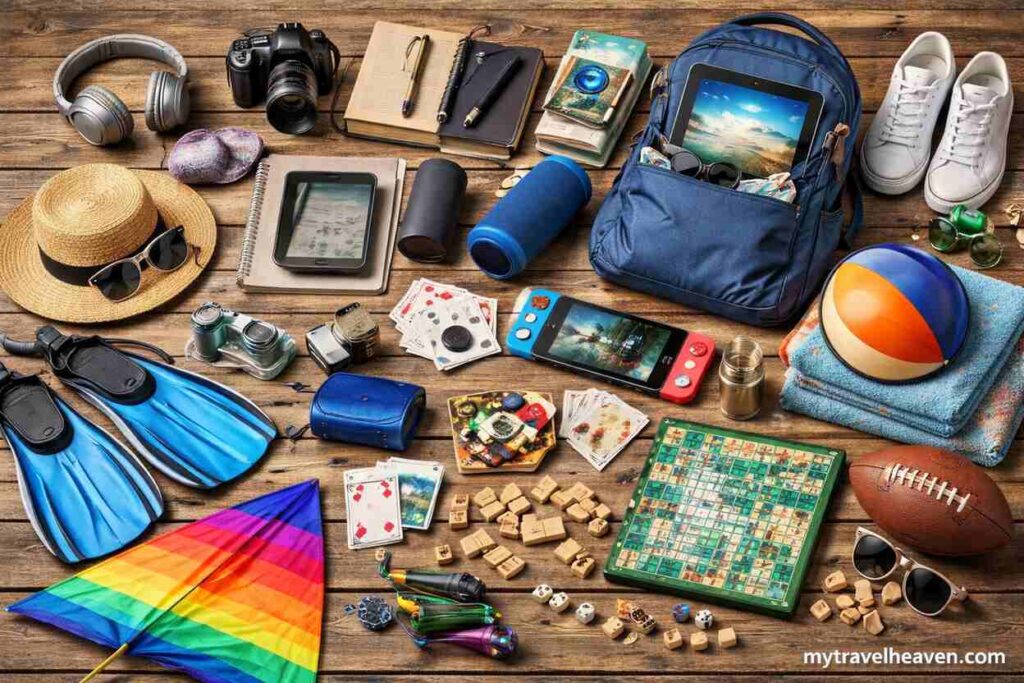
Entertainment items make long transit times more enjoyable. Books, e-readers, and downloaded movies provide offline entertainment.
Creative travelers may include journals, sketchbooks, or photography equipment. These items allow you to capture memories and stay engaged during downtime.
For families, packing games, toys, or tablets helps keep children entertained. Organized entertainment reduces stress and improves overall travel satisfaction.
Prepare Destination-Specific Items
Different destinations require specific items based on environment and activities. Beach trips require swimwear, sunscreen, and flip-flops, while mountain trips need hiking gear and thermal clothing.
Cultural considerations also influence packing. Modest clothing may be necessary in certain regions, while specific footwear might be required for religious sites.
Researching your destination beforehand ensures that you pack appropriately for local conditions, traditions, and expectations.
Organize Items Using Smart Packing Techniques
Efficient packing techniques maximize space and reduce clutter. Rolling clothes instead of folding saves space and minimizes wrinkles.
Packing cubes create structured compartments, making it easier to locate items. Compression bags are useful for bulky clothing such as jackets.
Weight distribution is important for balance. Heavier items should be placed near the base of the suitcase, while frequently used items should remain easily accessible.
Keep Essentials in Your Carry-On Bag
Carry-on bags should contain items needed during transit and in case of luggage delays. Essential items include travel documents, medications, electronics, and a change of clothes.
Valuable items should always remain in your carry-on for safety. Liquids must comply with airline restrictions, typically within small containers.
Having a well-prepared carry-on ensures comfort and readiness even if checked luggage is delayed or misplaced.
Double-Check and Customize Your Packing List
Reviewing your packing list before departure ensures nothing important is forgotten. Cross-check items based on itinerary, weather forecast, and planned activities.
Customization is key. Each traveler has unique preferences and requirements, so lists should be adapted accordingly.
A final check reduces stress and builds confidence before departure. Organized packing leads to a smoother and more enjoyable travel experience.
Conclusion
A well-prepared travel packing list transforms the entire journey into a seamless and enjoyable experience. From selecting the right luggage to organizing documents, clothing, and essentials, each step contributes to efficiency and peace of mind. Strategic packing reduces unnecessary weight, prevents forgotten items, and ensures readiness for any situation.
By following structured packing steps and adapting them to your destination and travel style, you create a reliable system that works for every trip. Preparation is the foundation of stress-free travel, and a comprehensive packing list is the key to achieving it.
FAQs
How far in advance should I start packing for a trip?
Start packing at least 2–3 days before departure. This allows time to gather missing items and avoid last-minute stress.
What is the best way to avoid overpacking?
Choose versatile clothing, limit duplicate items, and follow a checklist. Packing cubes also help control excess.
Should I always carry a first aid kit?
Yes, a basic first aid kit is essential for handling minor injuries and common health issues during travel.
How do I pack efficiently for different climates?
Use layering techniques and select lightweight, adaptable clothing that can be combined for different temperatures.
What items should always go in a carry-on bag?
Important documents, medications, valuables, electronics, and a change of clothes should always be in your carry-on.
How can I keep my luggage organized during the trip?
Use packing cubes, separate compartments, and designate spaces for clean and used clothing to maintain organization.
