

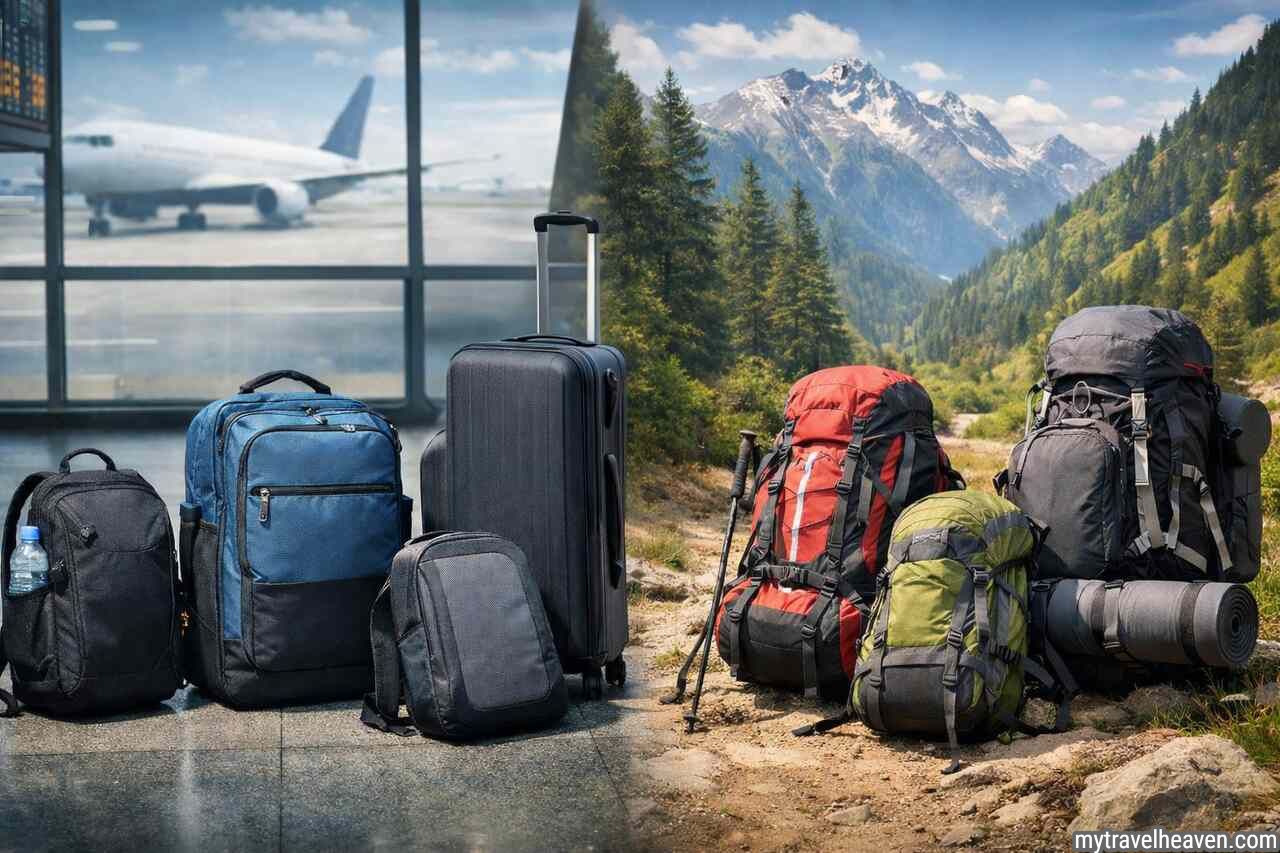
Travel backpacks in 2026 combine durability, ergonomic design, smart organization, and modern materials to meet the needs of travelers across all trip lengths. Whether you are planning a weekend getaway, a business trip, or a months-long adventure, choosing the right backpack directly impacts comfort, efficiency, and travel experience. This guide covers the best travel backpacks across all sizes, highlighting top brands, key features, and how to select the perfect fit.
Choose the Right Backpack Size for Your Travel Style
Selecting the correct backpack size ensures efficient packing and prevents unnecessary strain during travel. Backpack sizes are typically measured in liters, and each range serves a different travel purpose.
Small backpacks between 15L and 30L work best for day trips, short business travel, or minimalist packing. Medium backpacks between 30L and 50L suit weekend trips and carry-on travel. Large backpacks between 50L and 70L are ideal for extended travel, while 70L and above are designed for expedition-level journeys.
Your choice depends on trip duration, packing habits, and airline restrictions. Frequent flyers benefit from carry-on compliant backpacks, while long-term travelers need expanded storage with proper weight distribution.
Evaluate Materials and Build Quality for Durability
Durable materials ensure your backpack withstands harsh travel conditions. High-quality backpacks often use nylon variants such as Cordura or ripstop nylon, which resist tearing and abrasion.
Water resistance is another critical factor. Many premium backpacks from brands like Osprey and Nomatic include water-resistant coatings or rain covers to protect belongings.
Zippers, stitching, and frame construction also influence longevity. YKK zippers, reinforced seams, and structured frames provide long-term reliability. Investing in quality materials reduces replacement costs and enhances travel confidence.
Prioritize Comfort and Ergonomic Design
Comfort plays a crucial role, especially for long travel days. A well-designed backpack distributes weight evenly across your shoulders and hips.
Look for padded shoulder straps, adjustable sternum straps, and hip belts. Brands such as Deuter and Gregory focus heavily on ergonomic engineering to reduce strain.
Ventilated back panels improve airflow and reduce sweating. Load lifters and frame systems further stabilize the backpack, making it easier to carry heavier loads for extended periods.
Select Smart Organization and Accessibility Features
Modern travel backpacks emphasize organization to streamline packing and access. Clamshell openings allow suitcase-style packing, making it easier to organize clothing and gear.
Multiple compartments help separate electronics, clothing, and travel documents. Brands like Peak Design excel in modular storage systems that allow customization.
Quick-access pockets, laptop sleeves, and hidden compartments add convenience and security. Efficient organization reduces packing time and improves overall travel efficiency.
Explore the Best Small Travel Backpacks (15L–30L)
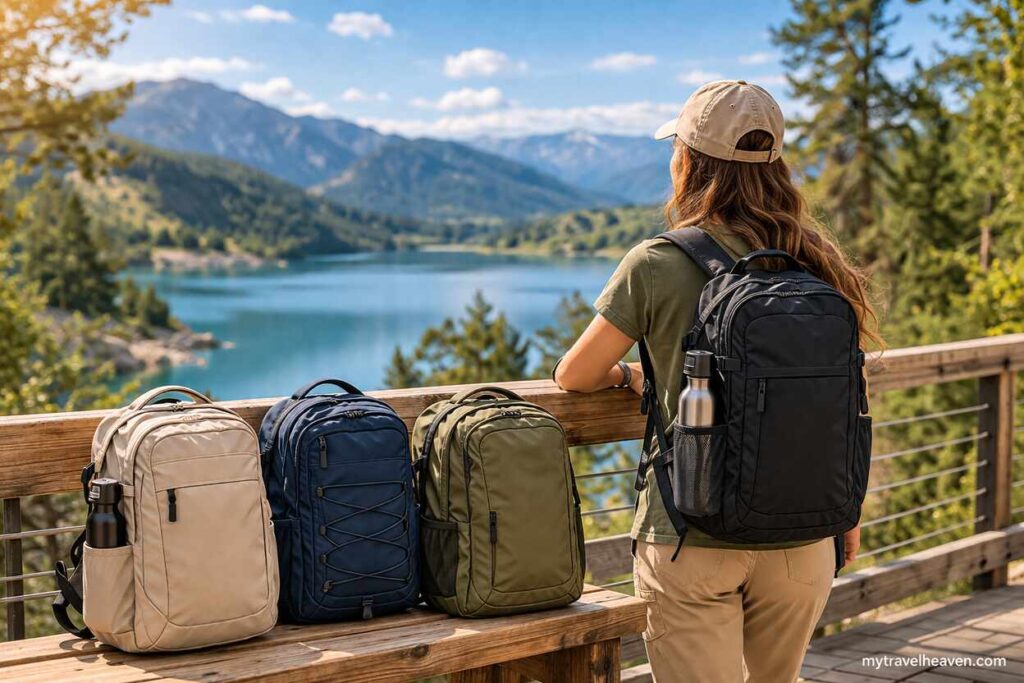
Small travel backpacks cater to minimalists, day travelers, and business professionals. They prioritize portability and compact design without sacrificing essential features.
Top picks in this category include the Nomatic Travel Pack and the Bellroy Transit Workpack. These models offer sleek designs, laptop protection, and organized compartments.
Small backpacks fit under airplane seats and work well for urban exploration. They are ideal for travelers who prefer light packing and frequent mobility.
Compare the Best Medium Travel Backpacks (30L–50L)
Medium-sized backpacks provide a balance between capacity and portability. They are perfect for carry-on travel and short trips lasting several days.
Popular options include the Osprey Farpoint 40 and the Tortuga Travel Backpack 40L. These backpacks offer clamshell openings, compression straps, and excellent weight distribution.
Most airlines accept backpacks in this range as carry-on luggage. Travelers benefit from avoiding checked baggage fees while maintaining sufficient storage.
Medium Backpack Comparison Table
| Backpack Model | Capacity | Key Feature | Best For |
|---|---|---|---|
| Osprey Farpoint 40 | 40L | Lightweight frame | Carry-on travel |
| Tortuga Travel Backpack | 40L | Structured packing | Digital nomads |
| Peak Design Travel Backpack | 45L | Expandable design | Hybrid travel |
Analyze the Best Large Travel Backpacks (50L–70L)
Large backpacks support extended travel and backpacking adventures. They provide ample space for clothing, gear, and accessories.
Top models include the Gregory Baltoro 65 and the Deuter Aircontact Lite 65+10. These backpacks feature advanced suspension systems and adjustable torso lengths.
They are ideal for travelers carrying camping gear or traveling across multiple climates. Proper packing techniques are essential to manage weight effectively.
Consider Extra-Large Backpacks for Expedition Travel (70L+)
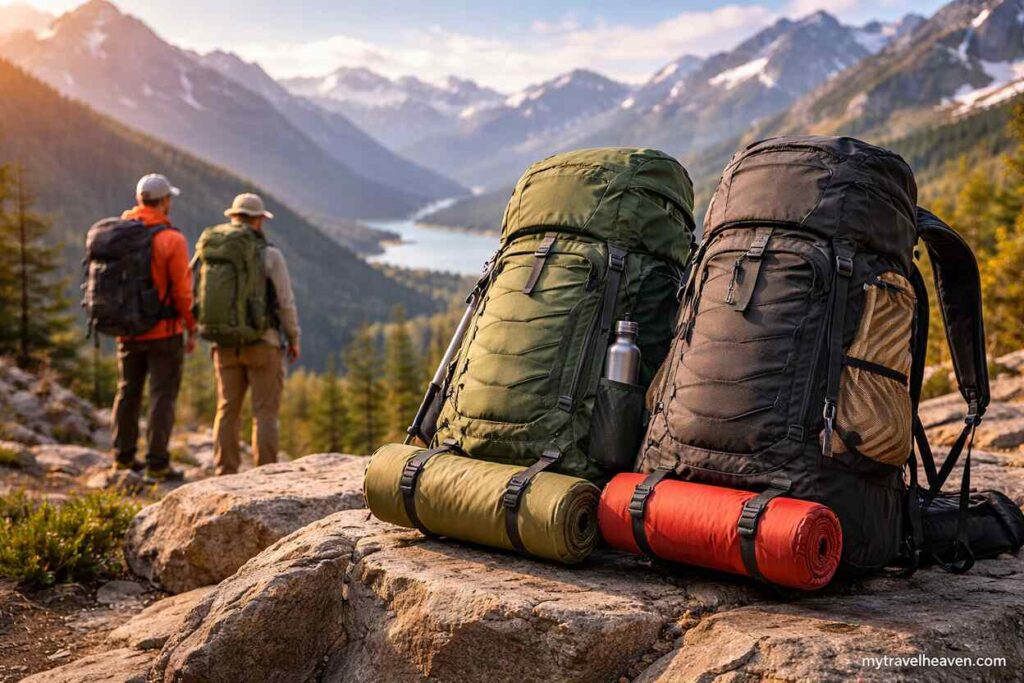
Expedition backpacks cater to long-term travel, trekking, and remote exploration. These backpacks prioritize capacity and durability over portability.
Examples include the Osprey Aether 70 and the Arc’teryx Bora 75. They include heavy-duty materials and advanced load support systems.
These backpacks suit mountaineers, hikers, and travelers carrying specialized equipment. They require careful adjustment to ensure comfort under heavy loads.
Compare Key Features Across Backpack Sizes
Understanding feature differences helps you choose the right backpack for your needs.
Feature Comparison Table
| Feature | Small (15–30L) | Medium (30–50L) | Large (50–70L) | Extra-Large (70L+) |
|---|---|---|---|---|
| Portability | High | Moderate | Low | Very Low |
| Storage Capacity | Limited | Balanced | High | Maximum |
| Airline Carry-On | Yes | Usually Yes | No | No |
| Best Use | Day trips | Short travel | Long trips | Expeditions |
| Weight | Light | Moderate | Heavy | Very Heavy |
Each size serves a distinct purpose. Choosing incorrectly may lead to overpacking or insufficient storage.
Check Airline Compatibility and Travel Restrictions
Airline carry-on policies influence backpack selection. Most airlines allow backpacks up to 40–45 liters as carry-on luggage.
Travelers using backpacks like the Osprey Farpoint 40 benefit from avoiding baggage fees and reducing airport wait times.
Budget airlines often impose stricter size limits, making smaller backpacks more practical. Always verify airline policies before traveling.
Balance Price and Value for Long-Term Investment
Backpack pricing varies significantly based on brand, materials, and features. Premium brands offer higher durability and better ergonomics.
Budget options may save money initially but often lack longevity. Investing in trusted brands like Patagonia ensures sustainability and warranty support.
Value comes from durability, comfort, and versatility rather than just price. A well-chosen backpack can last for years of travel.
Maintain and Care for Your Travel Backpack
Proper maintenance extends the lifespan of your backpack. Regular cleaning prevents dirt buildup and fabric degradation.
Use mild soap and water to clean the exterior. Avoid machine washing unless specified by the manufacturer. Store backpacks in dry environments to prevent mold.
Repair minor damages such as loose stitching or broken zippers promptly. Brands like Osprey often provide repair services, adding long-term value.
Conclusion
Choosing the best travel backpack in 2026 requires aligning size, comfort, durability, and features with your travel style. Small backpacks suit minimalists, medium backpacks offer versatility for most travelers, while large and extra-large options support extended journeys and expeditions.
High-quality brands deliver reliability, ergonomic support, and smart organization that enhance the travel experience. By selecting the right backpack size and features, travelers can optimize comfort, efficiency, and mobility across any journey.
FAQs
How do I choose the right backpack size for travel?
Select based on trip duration and packing style. Short trips require 30–40L, while long-term travel may need 50L or more.
Are travel backpacks better than suitcases?
Travel backpacks provide better mobility, especially in crowded or uneven environments, while suitcases offer structured packing.
What is the best carry-on backpack size?
Most airlines accept backpacks between 35L and 45L, making them ideal for carry-on travel.
How much should a good travel backpack cost?
Quality backpacks typically range from $100 to $300 depending on features and brand reputation.
Which brands make the best travel backpacks in 2026?
Top brands include Osprey, Nomatic, Peak Design, and Deuter.
Can I use one backpack for all types of travel?
Yes, medium-sized backpacks around 40L offer versatility for most travel scenarios, balancing capacity and portability.
