

Introduction
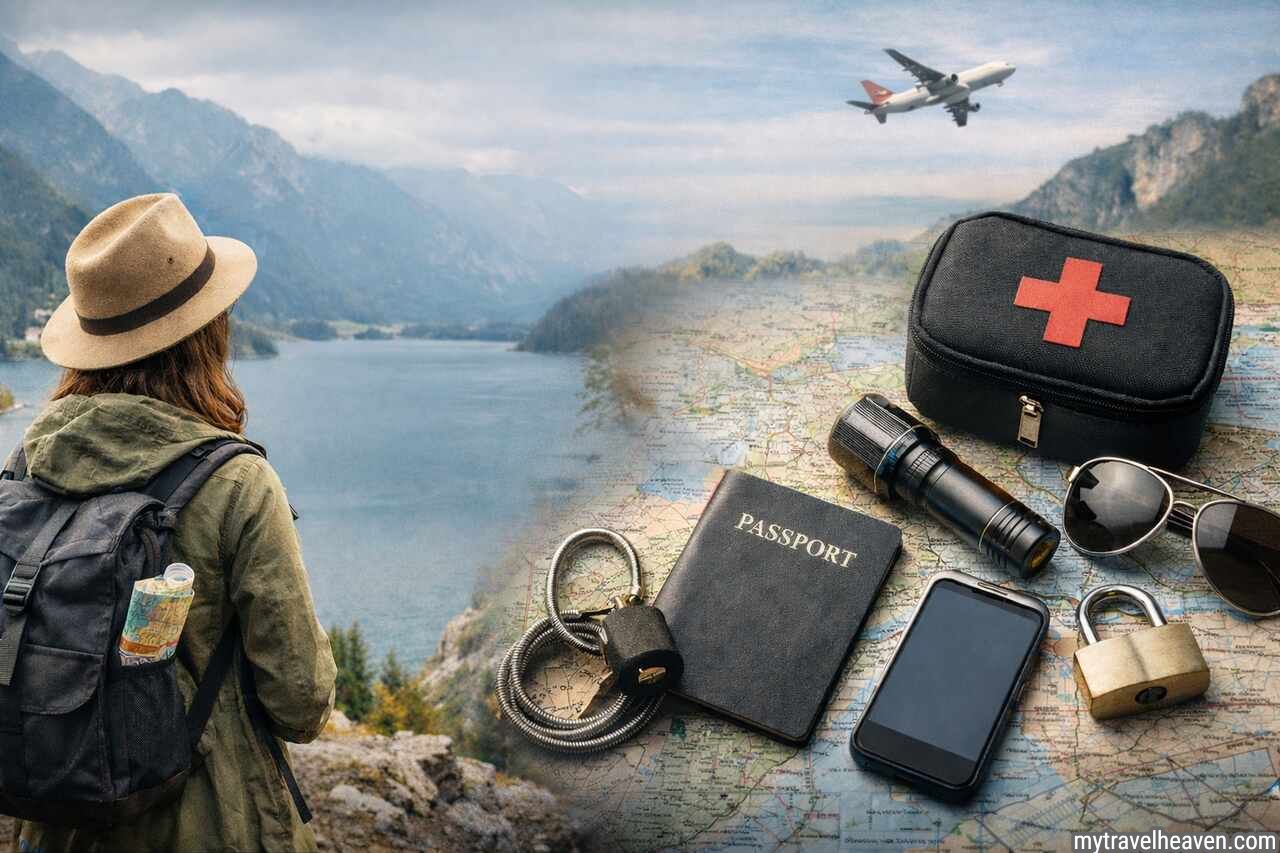
Traveling alone offers unmatched freedom, self-discovery, and flexibility. Solo travelers can explore destinations at their own pace, connect with new cultures, and build confidence through independent decision-making. However, safety remains a critical aspect of any solo journey. Whether you’re navigating busy cities or remote landscapes, having a structured safety approach helps minimize risks and enhances your overall travel experience. This guide provides practical, actionable safety tips designed to keep solo travelers secure, aware, and fully prepared.
Plan Your Trip Thoroughly Before Departure
Start by creating a detailed travel plan that includes destinations, accommodations, transportation, and emergency contacts. A well-organized itinerary ensures that you always know your next move, reducing uncertainty and stress during your trip.
Gather all essential documents such as your passport, visa, insurance, and identification. Make digital and physical copies of these documents and store them securely. Use services like Google Drive or Dropbox to keep backups accessible from anywhere.
Additionally, research your destination’s safety conditions, local laws, and cultural norms. Government travel advisories and forums like Tripadvisor provide valuable insights that help you prepare for potential risks.
Choose Safe and Verified Accommodations
Select accommodations that prioritize security and have strong reviews from other travelers. Reliable platforms such as Airbnb and Booking.com allow you to filter properties based on safety features and ratings.
Look for properties with 24-hour reception, secure entry systems, and lockers. Avoid staying in isolated or poorly lit areas, especially if you are unfamiliar with the surroundings.
Once you arrive, take time to assess your room. Check door locks, windows, emergency exits, and keep valuables in a safe or locked bag. Small precautions significantly reduce vulnerability.
Stay Connected and Share Your Location
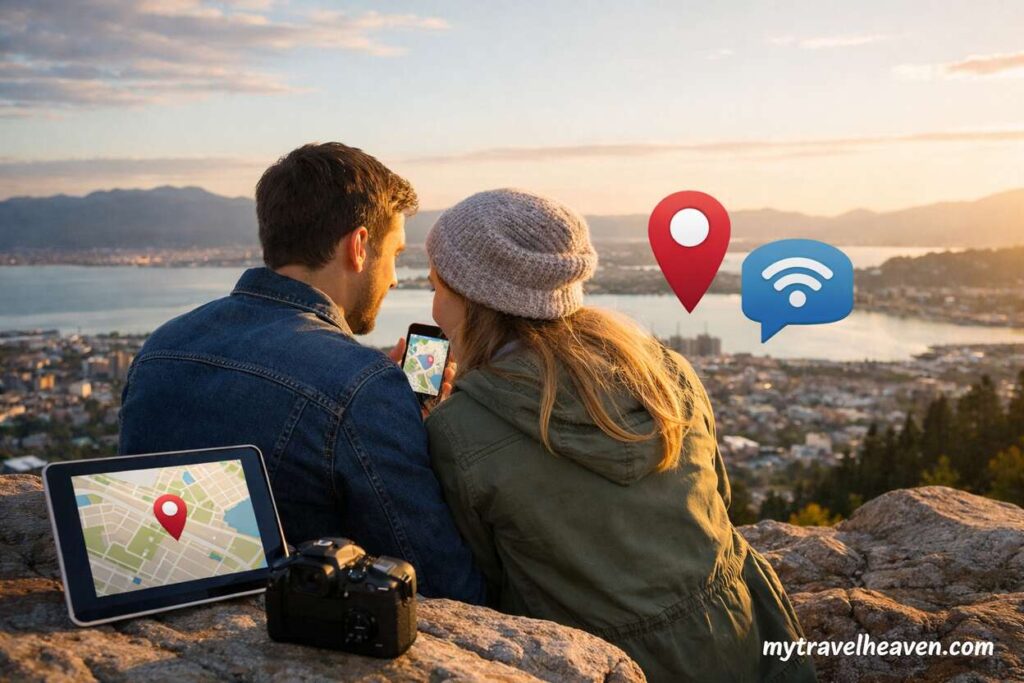
Maintaining communication is essential for solo travel safety. Share your itinerary and real-time location with a trusted friend or family member using apps like WhatsApp or Google Maps.
Purchase a local SIM card or use portable Wi-Fi to ensure constant connectivity. Being reachable allows quick assistance in case of emergencies.
Regularly check in with someone you trust, especially when traveling between cities or engaging in activities like hiking or night outings. This habit adds an extra layer of security.
Keep Your Valuables Secure and Minimized
Carry only what you need for the day and leave excess valuables secured in your accommodation. Use anti-theft bags, money belts, and hidden compartments to protect important items like cash, cards, and passports.
Avoid displaying expensive gadgets or jewelry in public places. Keeping a low profile reduces the chances of becoming a target for theft.
Distribute your valuables across different bags or pockets. This ensures that losing one item does not result in losing everything essential.
Learn Basic Local Language and Emergency Phrases
Understanding key phrases in the local language can significantly improve safety and communication. Learn how to ask for help, directions, and emergency services.
Use translation tools like Google Translate to bridge communication gaps. Download offline language packs to stay prepared even without internet access.
Being able to communicate basic needs helps you navigate unfamiliar situations confidently and avoid misunderstandings.
Stay Aware of Your Surroundings at All Times
Situational awareness is one of the most powerful safety tools. Pay attention to people, environments, and unusual activities around you.
Avoid distractions like excessive phone use in crowded or unfamiliar places. Stay alert in transportation hubs, tourist attractions, and nightlife areas where theft is more common.
Trust your instincts. If a situation feels uncomfortable or unsafe, leave immediately and seek a safer environment.
Use Reliable Transportation Options
Choose trusted transportation methods such as licensed taxis, hotel-arranged rides, or reputable apps like Uber and Careem.
Avoid accepting rides from strangers or unverified drivers. Always confirm the driver’s identity and vehicle details before entering.
When using public transport, keep your belongings close and stay alert, especially during peak hours or late at night.
Avoid Oversharing Personal Information
Limit the amount of personal information you share with strangers or online. Avoid posting real-time location updates on social media platforms.
Keep details like your accommodation address, travel plans, and personal identification private. Sharing too much information can expose you to unnecessary risks.
Maintain polite but cautious interactions with new acquaintances, especially in unfamiliar environments.
Prepare for Emergencies and Health Situations
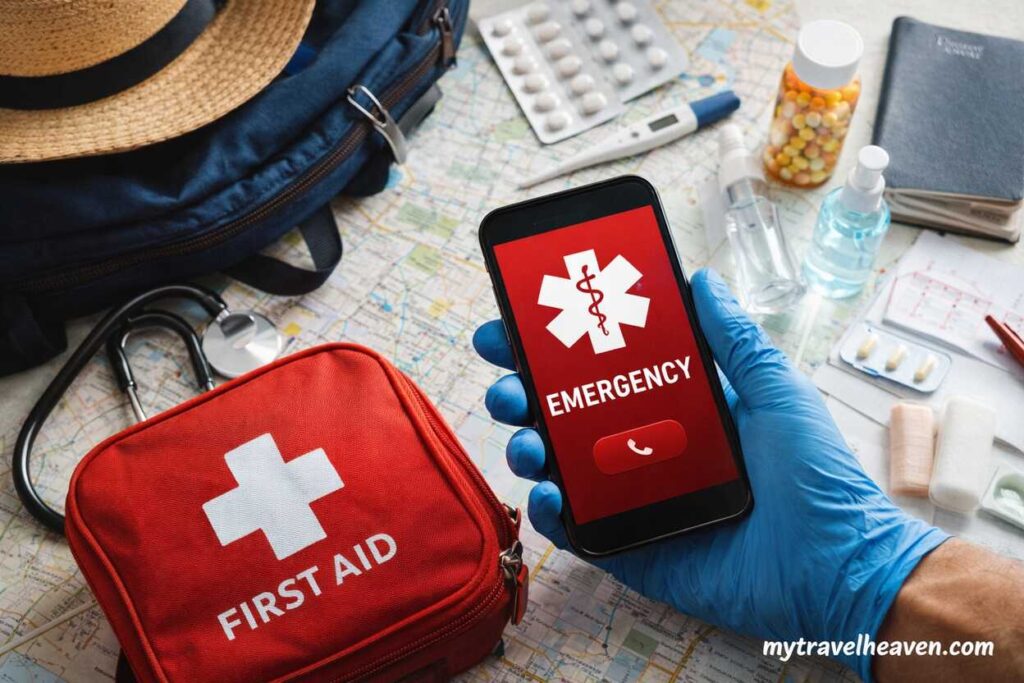
Carry a basic first aid kit and necessary medications. Include items such as pain relievers, bandages, and any prescription drugs you may need.
Purchase travel insurance that covers medical emergencies, theft, and trip cancellations. Keep emergency contact numbers saved and written down.
Familiarize yourself with nearby hospitals, pharmacies, and emergency services at your destination. Preparation ensures quick response during unexpected situations.
Trust Your Instincts and Set Personal Boundaries
Your intuition is a valuable safety tool. If something feels off, trust your gut and remove yourself from the situation immediately.
Set clear personal boundaries when interacting with others. You are not obligated to engage in conversations or activities that make you uncomfortable.
Confidence and assertiveness often deter potential threats and help you maintain control over your environment.
Compare Essential Safety Practices
| Safety Area | Key Action | Tools or Methods | Outcome |
|---|---|---|---|
| Documentation | Backup important files | Cloud storage, printed copies | Prevent identity loss issues |
| Accommodation | Book verified places | Review platforms, secure locks | Safer stay experience |
| Communication | Share location | Messaging apps, GPS tracking | Real-time safety updates |
| Valuables | Use anti-theft storage | Money belts, secure bags | Reduced theft risk |
| Transportation | Use licensed services | Ride-hailing apps, hotel taxis | Safe mobility |
| Awareness | Stay alert | Observation, avoiding distractions | Risk prevention |
Essential Emergency Contacts Checklist
| Category | Example Details |
|---|---|
| Local Emergency | Police, Ambulance |
| Embassy | Your country’s nearest embassy |
| Accommodation | Hotel or host contact |
| Personal Contact | Family or trusted friend |
| Insurance Provider | Policy helpline |
Conclusion
Solo travel can be one of the most rewarding experiences, offering independence, growth, and unforgettable memories. By taking proactive safety measures, you significantly reduce risks and enhance your confidence throughout your journey. From careful planning and secure accommodations to staying connected and trusting your instincts, each step contributes to a safer travel experience. Preparation and awareness are the foundations of successful solo adventures, allowing you to focus on exploration while staying protected.
FAQs
Is solo travel safe for beginners?
Yes, solo travel is safe if you plan carefully, stay aware, and follow basic safety practices such as choosing secure accommodations and staying connected.
How can I protect my money while traveling alone?
Use anti-theft bags, avoid carrying large amounts of cash, and store backup funds separately.
What should I do in an emergency abroad?
Contact local emergency services, inform your embassy, and reach out to your emergency contact immediately.
Is it safe to use public Wi-Fi while traveling?
Public Wi-Fi can be risky. Use a VPN and avoid accessing sensitive information like banking details.
How often should I check in with someone back home?
Daily check-ins are recommended, especially when moving between locations or engaging in new activities.
What is the safest way to meet new people while traveling?
Join group tours, stay in reputable accommodations, and use verified platforms rather than random encounters.

2 Comments
Pingback: A Beginner’s Guide to Stress-Free Travel Planning
Pingback: Airbnb vs Hotel: Which Is Better for Your Trip?