Plan Your Journey Across Canada’s Vast Landscapes
Canada offers a rare combination of untamed wilderness, modern cities, and seasonal transformations that reshape the entire country throughout the year. Stretching from the Atlantic Ocean to the Pacific and up into the Arctic Circle, Canada delivers diverse travel experiences that range from glacier hikes to cosmopolitan dining.
Planning your journey begins with understanding geography, climate zones, and regional highlights. The country is divided into provinces and territories, each with distinct identities shaped by history, culture, and natural features. From the Rocky Mountains in the west to historic maritime towns in the east, travelers encounter dramatically different environments within one nation.
A well-structured itinerary considers travel distances, seasonal accessibility, and local experiences. Flights connect major hubs efficiently, but exploring remote areas often requires additional planning. Whether your goal is adventure, relaxation, or cultural immersion, Canada provides layered travel opportunities that reward thoughtful preparation.
Explore Iconic Natural Landscapes Across Regions
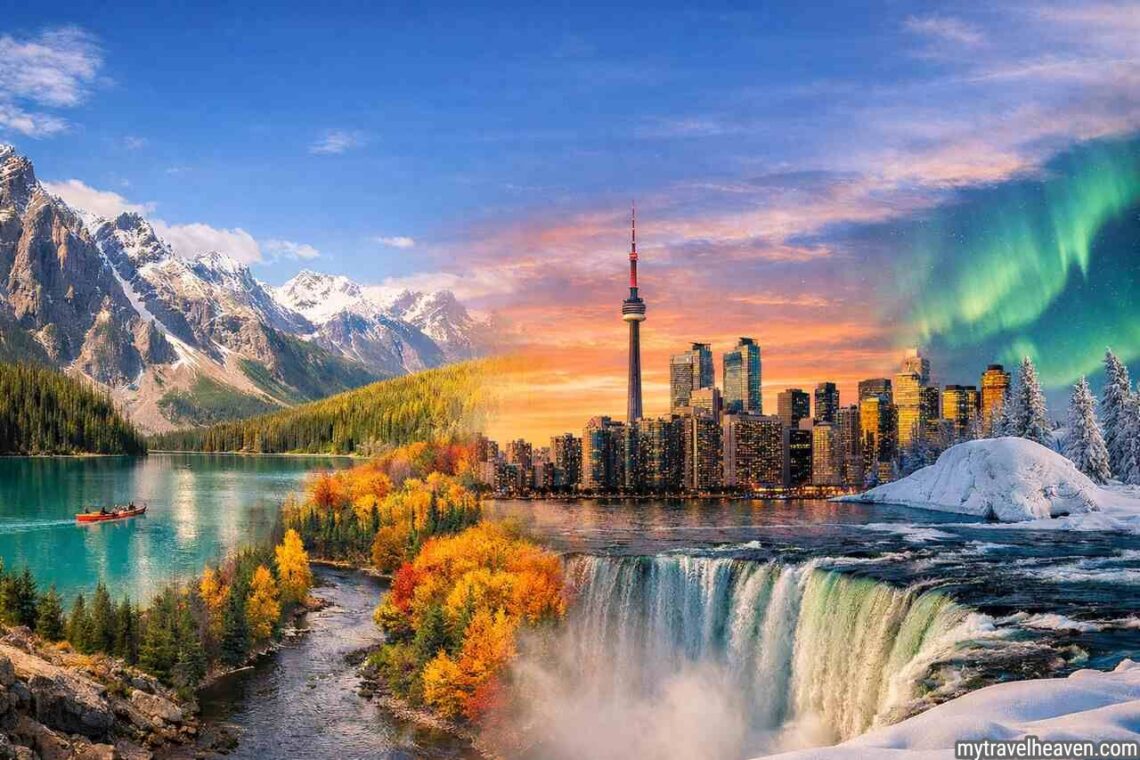
Canada’s natural beauty defines its global reputation, and exploring these landscapes should be central to your itinerary. Start with Banff National Park, where turquoise lakes, alpine peaks, and wildlife sightings create a classic Canadian wilderness experience. Moving east, Niagara Falls showcases raw water power and accessibility, making it one of the most visited natural attractions in the country.
Beyond these famous locations, the northern territories provide extraordinary phenomena like the aurora borealis in Yukon. Coastal drives such as the Cabot Trail in Nova Scotia reveal rugged cliffs and ocean vistas, offering a completely different landscape from the mountains.
Each region introduces distinct ecosystems including boreal forests, tundra, prairies, and coastal environments. Travelers who diversify their destinations gain a fuller appreciation of Canada’s environmental range and the ways geography shapes lifestyle, wildlife, and seasonal activities.
Discover Vibrant Cities and Cultural Hubs
Urban Canada blends multicultural energy with clean infrastructure and accessible attractions. Toronto stands as the largest city, known for landmarks like the CN Tower, diverse cuisine, and entertainment districts. On the west coast, Vancouver combines ocean views with mountain backdrops, making it ideal for travelers who want both urban life and outdoor access.
In contrast, Montreal offers a European-influenced atmosphere, where French language and historic architecture shape daily experiences. Nearby, Quebec City delivers cobblestone streets and fortified walls that feel distinctly different from other North American destinations.
Each city functions as a cultural gateway, reflecting immigration patterns, indigenous heritage, and regional traditions. Visitors benefit from exploring museums, festivals, and neighborhoods that highlight Canada’s diversity and evolving identity.
Choose the Best Season for Your Travel Goals
Selecting the right season directly influences your travel experience in Canada. Summer provides the most accessible conditions, with warm temperatures, long daylight hours, and open national parks. This season is ideal for hiking, road trips, and festivals across provinces.
Autumn transforms landscapes with vibrant foliage, particularly in regions like Ontario and Quebec. Cooler temperatures and fewer crowds create a balanced travel environment, especially for photography and scenic drives.
Winter introduces snow-covered landscapes and seasonal activities such as skiing in Whistler Blackcomb. Meanwhile, spring signals renewal with blooming flowers and melting snow, though weather can be unpredictable depending on the region.
Understanding seasonal variations helps travelers align activities with climate conditions, ensuring comfort and maximizing opportunities.
Plan Transportation and Travel Logistics Efficiently
Traveling across Canada requires careful logistical planning due to its size. Domestic flights connect major cities such as Toronto, Vancouver, and Montreal, making long-distance travel manageable. Rail services, including those operated by VIA Rail, provide scenic alternatives for those who prefer slower journeys.
For regional exploration, renting a car offers flexibility, especially in areas like Alberta’s national parks or coastal routes in Atlantic Canada. Public transportation systems in cities are reliable, with subways, buses, and light rail networks supporting daily movement.
Travelers should also consider documentation, especially international visitors who may require an Electronic Travel Authorization (eTA). Planning transportation early reduces costs and ensures smoother transitions between destinations.
Experience Outdoor Activities and Adventure Tourism
Canada’s outdoor offerings cater to a wide range of activity levels and interests. Hiking trails in Banff and Jasper provide access to alpine scenery, while kayaking along the Pacific coast introduces marine ecosystems and wildlife encounters.
Winter sports dominate colder months, with skiing, snowboarding, and ice skating widely available. Resorts like Whistler Blackcomb attract global visitors seeking high-quality slopes and infrastructure.
Adventure extends beyond physical activities to include wildlife observation. Travelers may encounter bears, moose, whales, and migratory birds depending on the region and season. Engaging in guided tours enhances safety and provides educational insights into ecosystems and conservation.
Understand Regional Differences Across Provinces
Canada’s provinces and territories each offer distinct travel experiences shaped by geography and culture. The following table highlights key differences:
| Region | Key Features | Best Activities | Notable Locations |
|---|---|---|---|
| Western Canada | Mountains, forests | Hiking, skiing | Banff, Vancouver |
| Central Canada | Urban centers, lakes | City tours, festivals | Toronto, Ottawa |
| Quebec | French culture, history | Food, heritage sites | Montreal, Quebec City |
| Atlantic Canada | Coastal landscapes | Road trips, seafood | Nova Scotia, PEI |
| Northern Canada | Arctic wilderness | Northern lights, exploration | Yukon, Northwest Territories |
Each region introduces unique traditions, cuisines, and landscapes. Travelers who explore multiple provinces gain a broader understanding of Canada’s diversity.
Budget Your Trip and Manage Travel Costs

Travel costs in Canada vary depending on location, season, and travel style. Major cities tend to have higher accommodation and dining expenses, while smaller towns offer more budget-friendly options.
Flights represent a significant portion of travel costs due to distances between destinations. Booking early and using regional airports can help reduce expenses. Accommodation ranges from luxury hotels to hostels and vacation rentals, allowing flexibility based on budget.
The following table outlines typical cost ranges:
| Expense Category | Budget Range (CAD) | Mid-Range (CAD) | Luxury (CAD) |
|---|---|---|---|
| Accommodation | 50–120 | 150–300 | 400+ |
| Meals | 15–30 | 40–80 | 100+ |
| Transport | 10–50 | 60–150 | 200+ |
| Activities | 0–50 | 60–150 | 200+ |
Understanding these cost structures allows travelers to allocate resources efficiently and avoid unexpected expenses.
Prepare Essential Travel Documents and Safety Measures
Before traveling to Canada, ensure all documentation is valid and up to date. Most travelers require a passport, and many need an eTA or visa depending on nationality. Health insurance is strongly recommended, as medical services can be expensive for visitors.
Safety in Canada is generally high, but preparation remains important. Weather conditions can change rapidly, especially in mountainous or northern areas. Packing appropriate clothing and monitoring forecasts reduces risk.
Emergency services are accessible nationwide, and cities maintain well-developed infrastructure. Awareness of local guidelines and environmental conditions enhances safety and overall travel experience.
Build a Flexible Itinerary for Maximum Experience
Creating a flexible itinerary allows you to adapt to weather changes, travel delays, and new opportunities. Start by identifying priority destinations, then allocate time based on travel distance and activity availability.
Include buffer days for rest or unexpected discoveries. Canada’s vastness means travel between destinations can take longer than anticipated, so pacing is essential.
Combining city exploration with nature experiences provides balance. For example, pairing Toronto with Niagara Falls or Vancouver with nearby ensures variety and depth in your trip.
Conclusion
Canada stands as a destination where nature, cities, and seasons interact to create endlessly varied travel experiences. From the alpine beauty of Banff to the cultural richness of Montreal and the seasonal magic of winter landscapes, each journey reveals new dimensions of the country.
A successful trip depends on thoughtful planning, seasonal awareness, and openness to exploration. By combining iconic landmarks with lesser-known regions, travelers can experience Canada in a way that is both comprehensive and deeply rewarding.
FAQs
1. When is the best time to visit Canada?
The best time depends on your goals. Summer offers accessibility and outdoor activities, while winter is ideal for snow sports and northern lights.
2. Do I need a visa to travel to Canada?
Many travelers require an Electronic Travel Authorization (eTA) or visa. Requirements vary based on nationality.
3. Is Canada expensive for tourists?
Costs can be high, especially in major cities, but budget options are available with proper planning.
4. Which cities should I prioritize?
Toronto, Vancouver, Montreal, and Quebec City provide diverse cultural and urban experiences.
5. Can I see the northern lights in Canada?
Yes, especially in Yukon, Northwest Territories, and northern Manitoba during winter months.
6. Is public transport reliable in Canada?
Major cities have efficient systems, but rural and remote areas often require car travel.