

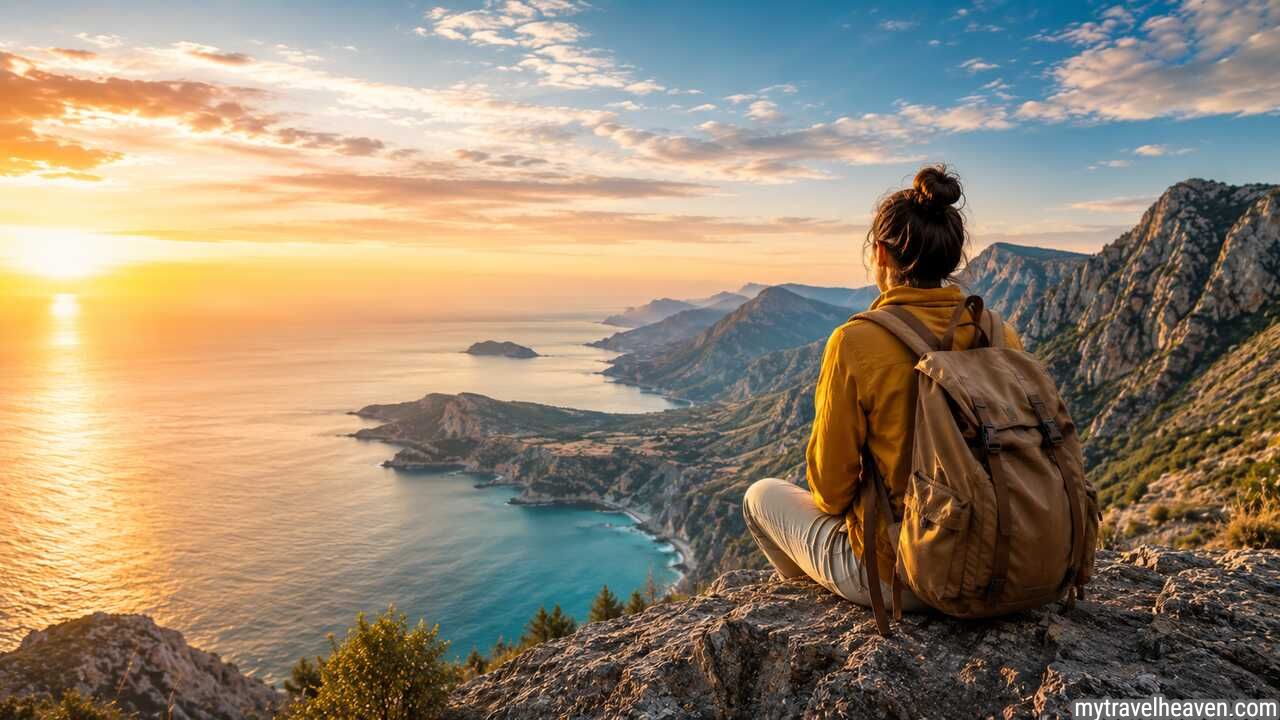
Solo travel changes the way people experience the world. A single journey can transform confidence, reshape priorities, and create unforgettable human connections. Travelers who explore alone often discover more than landscapes and landmarks. They discover resilience, independence, and a deeper understanding of different cultures.
Across continents, solo travelers have crossed deserts, navigated unfamiliar cities, climbed mountains, and formed friendships with strangers who later became lifelong companions. Every destination carries lessons about adaptability, courage, and curiosity. Some stories begin with heartbreak, career burnout, or a desire for adventure. Others start with a simple decision to book a ticket and step into the unknown.
The following travel stories highlight real-world experiences that demonstrate how solo travel creates personal growth and meaningful memories. From the mountains of South America to the crowded streets of Asia, each journey reveals a unique perspective on exploration, self-discovery, and cultural connection.
Walk Through Ancient Streets in Kyoto, Japan
A solo traveler from Canada arrived in Kyoto during cherry blossom season after leaving a demanding corporate job in Toronto. The traveler expected temples, gardens, and traditional tea ceremonies, but the journey became more meaningful through quiet daily experiences. Early mornings in the Gion district created moments of reflection that never existed in the fast-paced office environment back home.
Kyoto’s cultural heritage encouraged slower travel. Visiting Fushimi Inari Shrine before sunrise allowed the traveler to walk through thousands of torii gates without crowds. Traditional ryokan accommodations introduced customs such as tatami sleeping mats, shared baths, and multi-course kaiseki dinners. Each detail deepened appreciation for Japanese hospitality and discipline.
Conversations with local shop owners transformed the trip from sightseeing into cultural immersion. A small pottery studio owner explained the philosophy of wabi-sabi, the acceptance of imperfection and transience. That perspective stayed with the traveler long after returning home and inspired a complete career change into creative work.
Hike Through Patagonia in Argentina and Chile
A solo backpacker from Germany spent six weeks hiking through Patagonia after recovering from a difficult divorce. The mountains, glaciers, and remote landscapes created an environment where emotional healing happened naturally. Every trail introduced both physical challenges and moments of silence rarely experienced in everyday life.
Torres del Paine National Park became one of the defining parts of the journey. Strong winds, steep ascents, and unpredictable weather demanded resilience. Carrying supplies independently taught practical survival skills and strengthened confidence. Campsites filled with international travelers also created opportunities for connection despite traveling alone.
One evening, a group of hikers from Brazil, South Korea, and New Zealand gathered around a camp stove during a storm. They shared stories, food, and advice about future destinations. The traveler realized that solo travel never truly means isolation. Instead, it creates space for authentic interactions that happen more naturally outside familiar routines.
Navigate Bustling Markets in Marrakech, Morocco
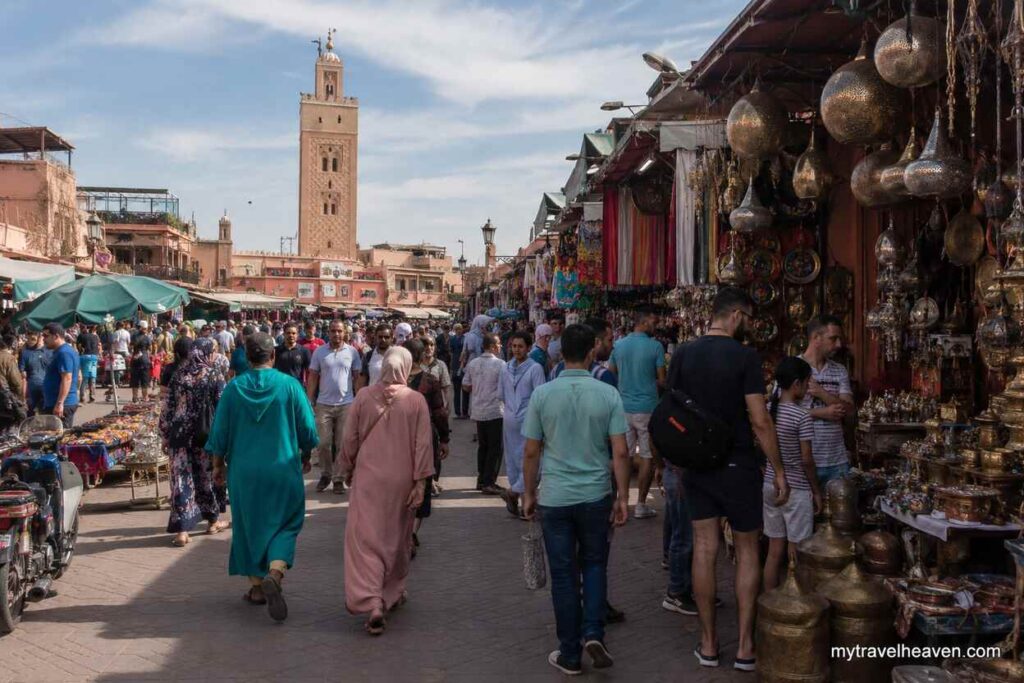
A first-time solo traveler from Australia chose Marrakech to challenge personal fears about unfamiliar environments. The Medina presented sensory overload through crowded souks, street musicians, spice vendors, and maze-like alleys. At first, navigating the city alone felt intimidating, but confidence increased with every interaction.
Learning simple Arabic and French phrases improved communication with local merchants. Visiting Jemaa el-Fnaa square at night introduced Moroccan cuisine through tagines, mint tea, and grilled street food. The traveler also joined a cooking class led by a local family, which provided insight into traditions surrounding hospitality and community meals.
The journey highlighted the importance of adaptability and cultural respect. Bargaining in markets required patience and humor rather than confrontation. By the end of the trip, the traveler felt comfortable exploring independently and realized that fear often disappears after direct experience replaces assumptions.
Ride Trains Across Europe With Minimal Plans
A university graduate from Brazil purchased a Eurail pass and traveled across Europe with only a backpack and a rough itinerary. The traveler intentionally avoided strict scheduling to allow spontaneity and flexibility. That decision led to unexpected adventures across Italy, Germany, Austria, and the Netherlands.
Night trains reduced accommodation costs and created opportunities to meet fellow travelers. In Prague, a conversation in a hostel common room resulted in a last-minute road trip to the Czech countryside. In Vienna, a missed train unexpectedly led to attending a classical concert recommended by a station employee.
Traveling without rigid plans taught the value of openness and improvisation. Instead of focusing on checking landmarks off a list, the traveler learned to appreciate everyday moments such as conversations in cafés, local festivals, and random discoveries while walking unfamiliar streets.
Volunteer in Rural Nepal After an Earthquake
A solo traveler from the United States traveled to Nepal as part of a volunteer rebuilding initiative following earthquake damage in remote villages. The traveler originally planned a short cultural trip but decided to extend the stay after witnessing the resilience of local communities.
Living in a mountain village introduced a completely different pace of life. Electricity was inconsistent, internet access was limited, and daily routines centered around agriculture and family responsibilities. Despite material hardships, residents demonstrated extraordinary generosity and optimism.
The volunteer work included rebuilding classrooms, carrying supplies, and teaching basic English lessons to children. The experience reshaped the traveler’s understanding of privilege and community support. Rather than focusing on personal comfort, the journey emphasized collective resilience and human connection.
One village elder explained that rebuilding together strengthened relationships more than physical structures alone. That message deeply influenced the traveler’s future priorities and inspired continued involvement in international humanitarian work.
Drive Along Iceland’s Ring Road During Winter
A photographer from South Africa embarked on a solo road trip around Iceland during winter to capture northern lights and dramatic landscapes. Driving alone across icy roads required careful planning, weather monitoring, and patience. The isolation of the environment became both challenging and rewarding.
Waterfalls, volcanic beaches, glaciers, and geothermal lagoons created constantly changing scenery. The traveler often spent hours without seeing another vehicle while driving through snow-covered regions. Those quiet stretches encouraged reflection and heightened appreciation for nature.
One night near Vik, the northern lights appeared unexpectedly above a frozen black-sand beach. The traveler described the moment as transformative because it combined solitude, beauty, and complete presence in the environment. Photography became less about social media and more about documenting meaningful experiences.
Local guesthouse owners also contributed warmth and hospitality during harsh weather conditions. Homemade meals and travel advice from Icelandic residents created a sense of comfort despite the remote setting.
Explore Coastal Towns in Portugal on a Budget
A freelance writer from India chose Portugal for an affordable solo travel experience focused on creativity and slow living. Lisbon, Porto, and smaller coastal towns offered a balance of culture, food, and scenic beauty without the high expenses associated with other European destinations.
The traveler rented small guesthouses and used public transportation extensively. Days included writing in cafés, exploring historic neighborhoods, and watching sunsets along the Atlantic coast. Surfing lessons in Lagos introduced a new hobby and created friendships with travelers from several countries.
Portugal’s relaxed atmosphere encouraged intentional travel rather than rushed tourism. Long conversations with local residents revealed stories about maritime history, economic changes, and regional traditions. Those interactions helped the traveler produce a collection of essays later published in a travel magazine.
Budget-conscious travel also demonstrated that meaningful experiences do not require luxury accommodations. Simplicity often created more opportunities for connection and creativity.
Cross the Australian Outback by Train
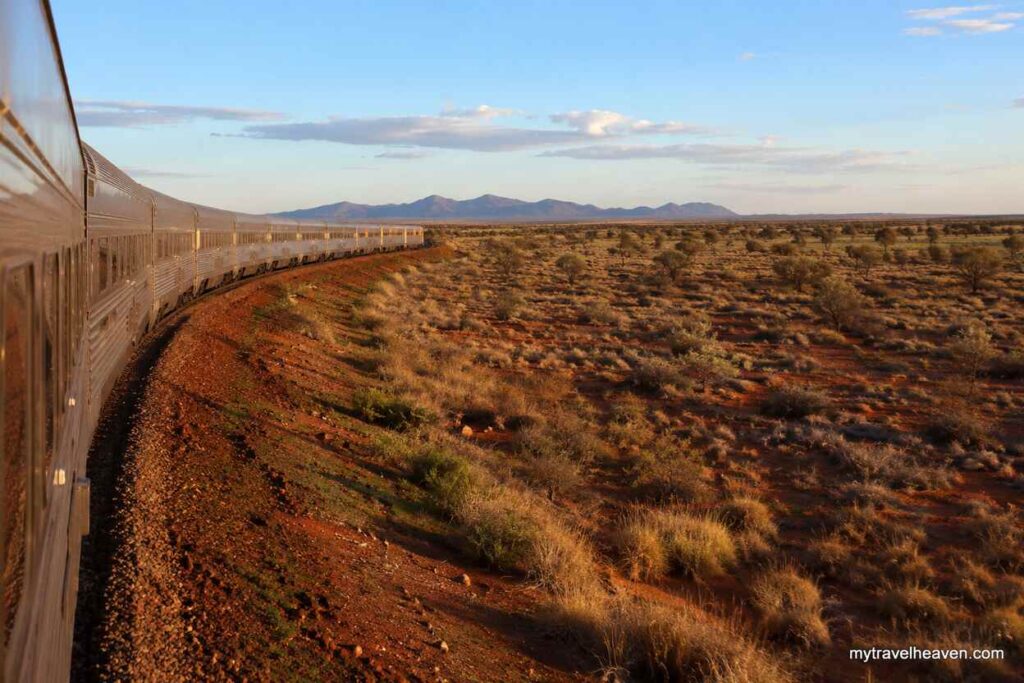
A retired teacher from the United Kingdom fulfilled a lifelong dream by traveling alone across Australia aboard The Ghan train. The route from Adelaide to Darwin passed through deserts, remote settlements, and dramatic outback landscapes.
Long train journeys encouraged conversations among passengers from different backgrounds. Shared dining experiences created friendships that lasted beyond the trip. Many travelers exchanged life stories, career experiences, and travel advice while watching the changing scenery outside panoramic windows.
Stops in Alice Springs and Katherine introduced Aboriginal cultural experiences and local history. Guided tours explained the spiritual significance of natural landmarks and the importance of preserving indigenous traditions.
The traveler described the journey as proof that solo travel remains meaningful at any age. Independence, curiosity, and openness to new experiences do not disappear with retirement. Instead, travel often becomes richer because of accumulated life perspective.
Discover Spiritual Traditions in Varanasi, India
A solo traveler from France visited Varanasi to better understand Indian spirituality and religious traditions. The city’s atmosphere immediately felt intense through crowded ghats, temple ceremonies, and constant activity along the Ganges River.
Morning boat rides revealed rituals connected to prayer, cremation ceremonies, and daily life. Observing these traditions encouraged reflection about mortality, community, and the role of faith in society. The traveler approached each experience respectfully by learning local customs and avoiding intrusive photography.
An extended stay allowed participation in yoga classes, meditation sessions, and Sanskrit workshops. Local teachers emphasized discipline, balance, and mindfulness rather than quick spiritual transformation. That grounded approach created a more authentic understanding of Indian philosophy.
The journey changed the traveler’s relationship with time and routine. Returning home no longer meant immediately resuming constant busyness. Instead, meditation and intentional living became permanent parts of daily life.
Sail Through Southeast Asia After Career Burnout
A technology consultant from Singapore left a high-pressure job and spent several months traveling solo through Thailand, Vietnam, Indonesia, and the Philippines. Instead of focusing on luxury tourism, the traveler chose slower transportation methods such as ferries, local buses, and small boats.
Island-hopping journeys introduced marine conservation projects, diving communities, and sustainable tourism initiatives. In Indonesia, the traveler volunteered with coral reef restoration efforts alongside environmental researchers and local fishermen.
The slower pace of travel reduced stress and improved mental well-being. Disconnecting from constant work emails and digital notifications created space for reflection and creativity. Journaling during long ferry rides helped clarify personal goals and future priorities.
By the end of the journey, the traveler launched an independent consulting business with a healthier work-life balance. Solo travel became more than a temporary escape. It became a turning point that reshaped professional and personal values.
Build Confidence Through Solo Travel Experiences
Every solo travel story demonstrates a different form of transformation. Some travelers gain confidence by navigating unfamiliar environments independently. Others discover emotional healing through nature, volunteering, or cultural immersion. The destinations vary widely, but the underlying theme remains consistent: solo travel encourages personal growth through direct experience.
Independent travel also strengthens practical skills. Budget management, navigation, communication, and problem-solving become essential parts of the journey. These experiences often translate into greater resilience and adaptability in everyday life.
Cultural exchange remains one of the most valuable aspects of traveling alone. Without the comfort of familiar companions, travelers engage more deeply with local residents and fellow explorers. Conversations become more meaningful because people approach the experience with openness and curiosity.
Many solo travelers initially fear loneliness or uncertainty. However, these stories reveal that stepping outside familiar routines often leads to the strongest memories and most significant personal breakthroughs.
Conclusion
Solo travel offers far more than sightseeing opportunities. It creates moments of reflection, cultural understanding, resilience, and transformation. Whether hiking through Patagonia, exploring Kyoto’s temples, crossing the Australian outback, or sailing through Southeast Asia, each journey demonstrates the power of independent exploration.
Traveling alone encourages people to trust themselves, adapt to unfamiliar situations, and form unexpected human connections. Every destination introduces new lessons about culture, identity, and perspective. The experiences shared in these stories prove that solo travel is not simply about moving between places. It is about discovering new ways to see the world and understanding personal potential through meaningful experiences.
FAQs
Is solo travel safe for beginners?
Solo travel can be safe when travelers research destinations carefully, stay aware of surroundings, use trusted transportation, and maintain communication with family or friends. Starting with traveler-friendly destinations often helps beginners build confidence.
Which destinations are best for first-time solo travelers?
Japan, Portugal, Iceland, and parts of Southeast Asia are popular choices because they offer reliable transportation, welcoming communities, and strong tourism infrastructure.
How do solo travelers meet people during trips?
Hostels, group tours, cooking classes, volunteer programs, and local events create natural opportunities for social interaction. Many travelers also connect through shared transportation and cultural activities.
What are the biggest benefits of solo travel?
Solo travel encourages independence, confidence, adaptability, and cultural understanding. Travelers also gain complete flexibility over schedules and personal priorities.
How can travelers manage loneliness while traveling alone?
Maintaining a balanced routine helps reduce loneliness. Social activities, journaling, local experiences, and regular communication with friends or family can provide emotional support during longer journeys.
Does solo travel change people permanently?
Many travelers report long-term changes in confidence, perspective, and lifestyle priorities after solo trips. Exposure to different cultures and independent problem-solving often influences future decisions and personal growth.
