

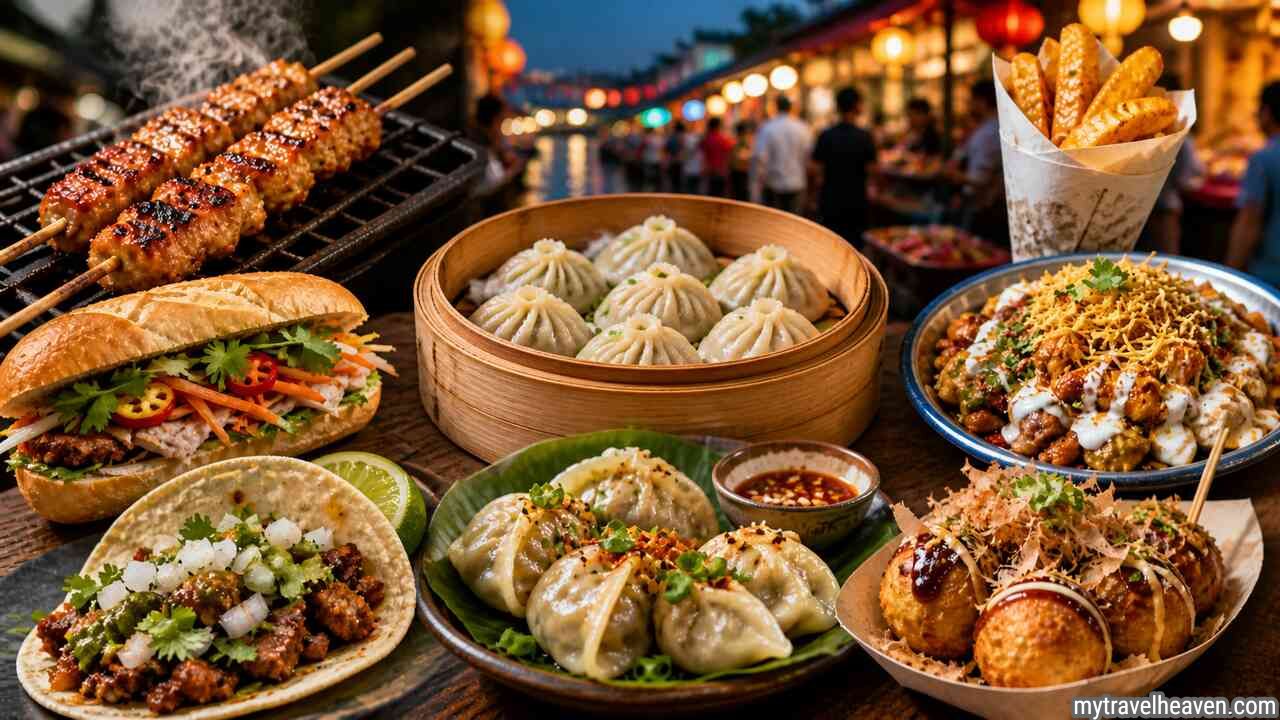
Street food connects culture, history, and flavor in ways that formal dining rarely achieves. From bustling markets in Bangkok to vibrant roadside stalls in Mexico City, these quick bites represent authentic culinary traditions shaped by local ingredients, climate, and heritage. Exploring the best street foods around the world allows travelers and food enthusiasts to experience regional identity through taste, aroma, and preparation techniques. This guide walks you through must-try street foods, how to find them, and what makes them unforgettable.
Explore Iconic Asian Street Foods in Local Markets
Asian street food dominates global culinary conversations because of its diversity, affordability, and bold flavors. Cities such as Bangkok, Hanoi, and Mumbai serve as hubs where street vendors prepare dishes that rival restaurant-quality meals.
Signature dishes include Pad Thai, Pho, Banh Mi, and Vada Pav. These foods rely on fresh herbs, spices, and quick cooking techniques such as wok frying or open-flame grilling. Each dish reflects local agricultural patterns, such as rice noodles in Southeast Asia or lentil-based snacks in India.
Street vendors in Asia often specialize in a single dish, ensuring consistency and mastery. Night markets and roadside carts operate late into the evening, creating a social environment where locals and tourists gather. Hygiene standards vary, so choosing stalls with high turnover and visible preparation areas ensures a safer experience.
Discover Latin American Street Food Flavors in Urban Streets
Latin America offers a vibrant street food scene shaped by indigenous traditions and colonial influences. Cities like Mexico City, Lima, and Buenos Aires provide a wide range of flavorful options.
Popular items include Tacos al Pastor, Arepas, Empanadas, and Ceviche. These dishes use ingredients like corn, beans, chili peppers, and citrus, producing bold and balanced flavors.
Street food in Latin America often reflects regional diversity. Coastal areas emphasize seafood-based snacks, while inland regions focus on grilled meats and corn-based dishes. Vendors typically prepare food fresh in front of customers, enhancing both taste and trust. The affordability and variety make it easy to sample multiple dishes in one outing.
Experience European Street Food Traditions in Historic Cities
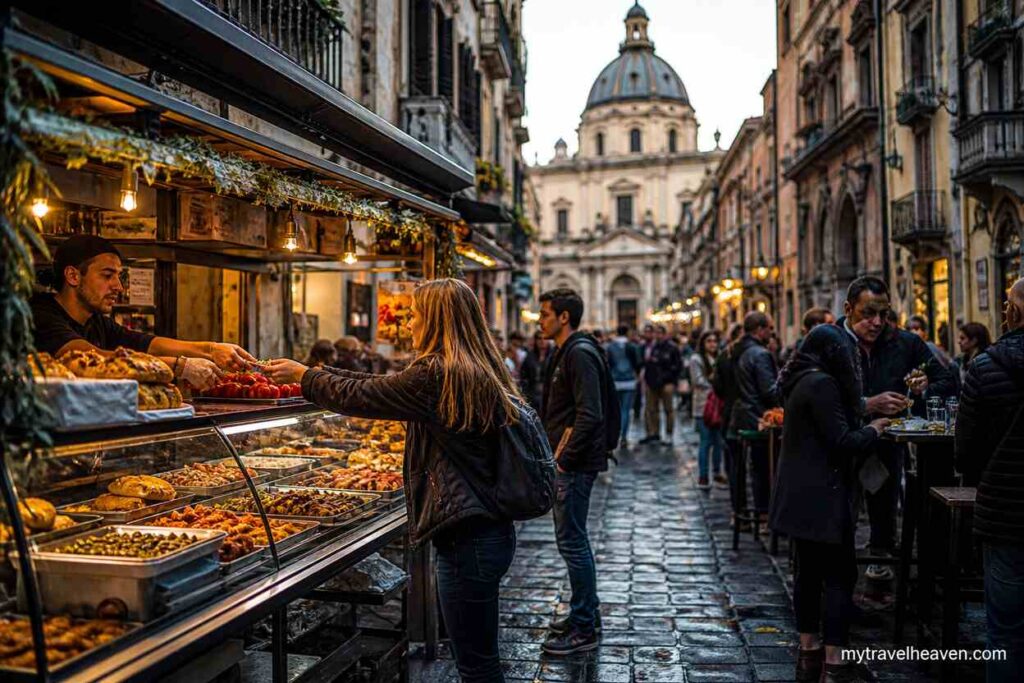
European street food blends tradition with modern culinary innovation. Cities such as Berlin, Istanbul, and Naples showcase iconic street dishes rooted in centuries-old recipes.
Famous examples include Doner Kebab, Bratwurst, Pizza Margherita, and Crepes. These foods often use simple ingredients such as bread, meat, cheese, and vegetables, but the preparation techniques and seasoning elevate them.
European street food is commonly found in markets, festivals, and food trucks. Seasonal events, such as Christmas markets in Germany, introduce unique variations and regional specialties. The emphasis on quality ingredients and traditional methods ensures a memorable culinary experience.
Taste Middle Eastern Street Food from Traditional Vendors
Middle Eastern street food offers rich flavors built on spices, grains, and slow-cooked meats. Cities like Dubai, Beirut, and Cairo are known for their vibrant food scenes.
Popular dishes include Shawarma, Falafel, Koshari, and Manakish. These foods rely heavily on spices like cumin, coriander, and sumac, creating deep and aromatic profiles.
Street vendors often operate near busy marketplaces and transport hubs. Food is typically served quickly and designed for portability, making it ideal for on-the-go consumption. Vegetarian options are widely available, especially dishes based on legumes and grains.
Try African Street Foods in Bustling Markets
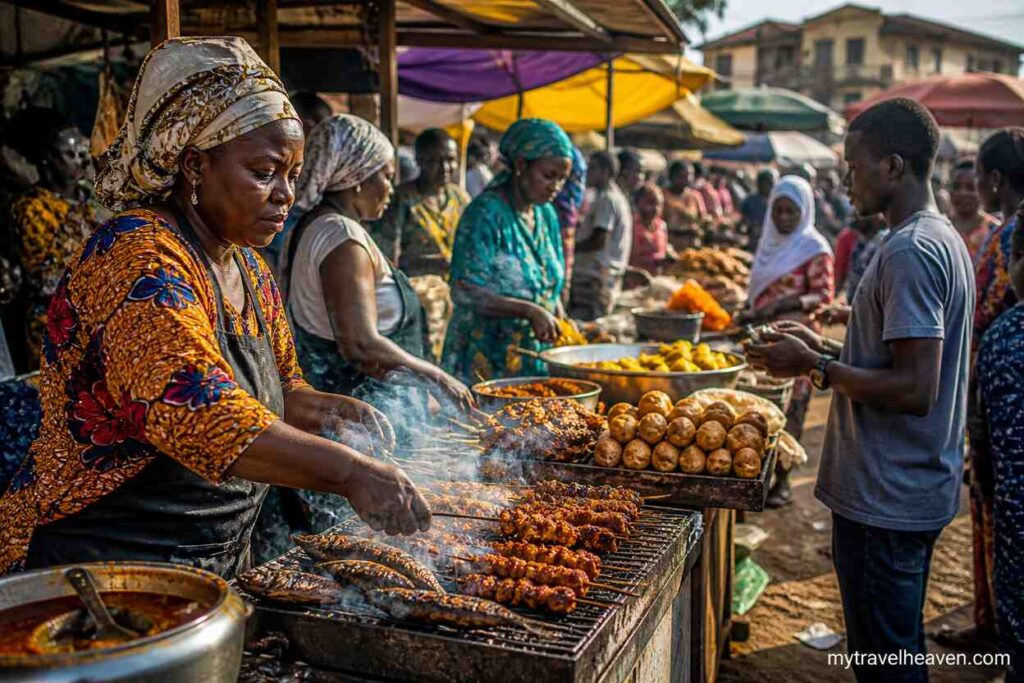
African street food reflects the continent’s cultural diversity and reliance on local ingredients. Cities such as Lagos, Marrakesh, and Cape Town offer dynamic street food experiences.
Common dishes include Jollof Rice, Bunny Chow, Suya, and Tagine. These foods often incorporate spices, grains, and slow-cooking techniques.
Street food culture in Africa is deeply tied to community and daily life. Vendors serve meals that are both affordable and filling, often catering to workers and travelers. The emphasis on bold spices and hearty portions makes African street food both satisfying and distinctive.
Compare Popular Street Foods Across Regions
| Region | Signature Dish | Key Ingredients | Cooking Method |
|---|---|---|---|
| Asia | Pad Thai | Rice noodles, shrimp | Stir-frying |
| Latin America | Tacos al Pastor | Pork, pineapple | Vertical roasting |
| Europe | Doner Kebab | Lamb, flatbread | Rotisserie grilling |
| Middle East | Shawarma | Chicken, spices | Slow roasting |
| Africa | Jollof Rice | Rice, tomato, spices | One-pot cooking |
This comparison highlights how geography influences ingredients and preparation techniques, resulting in distinct flavor profiles across regions.
Identify Safe and Authentic Street Food Vendors
Choosing the right street food vendor ensures both safety and quality. Observing crowd size, cleanliness, and food preparation methods helps identify reliable stalls.
Look for vendors with high customer turnover, as this indicates fresh ingredients and popular demand. Visible cooking processes and proper food storage also signal better hygiene standards. Avoid stalls with pre-cooked food left exposed for long periods.
Cultural awareness enhances the experience. Learning basic local phrases and understanding food customs allows smoother interactions with vendors. Many street food vendors take pride in their craft and appreciate respectful engagement.
Plan a Street Food Travel Itinerary Efficiently
A well-planned itinerary maximizes your street food experience. Researching food hotspots in advance helps prioritize must-visit locations.
Start by identifying cities known for street food culture, such as Bangkok or Mexico City. Allocate time for food markets, night bazaars, and local neighborhoods. Sampling small portions from multiple vendors allows broader exploration without overindulgence.
Balancing street food with hydration and rest ensures a comfortable journey. Carrying cash, using local transport, and visiting during peak hours increases accessibility and authenticity.
Understand Cultural Significance Behind Street Foods
Street food reflects history, migration, and social dynamics. Each dish tells a story about local traditions and resource availability.
For example, Pho emerged from French and Vietnamese culinary influences, while Tacos al Pastor shows Middle Eastern inspiration through Lebanese immigrants. These connections demonstrate how street food evolves over time.
Eating street food becomes more than a culinary act; it becomes a cultural experience. Understanding these backgrounds enriches appreciation and deepens travel experiences.
Evaluate Nutritional Value of Street Foods
Street food varies widely in nutritional content depending on ingredients and preparation methods. Some dishes offer balanced nutrition, while others are indulgent treats.
Grilled items like Suya provide protein, while vegetable-based dishes like Falafel offer fiber and plant-based nutrients. Fried foods and sugary snacks should be consumed in moderation.
Balancing choices ensures a healthier experience. Pairing heavier dishes with fresh juices or fruits helps maintain energy levels during travel.
Summary Table of Must-Try Street Foods
| Dish | Country | Flavor Profile | Best Location |
|---|---|---|---|
| Pad Thai | Thailand | Sweet, tangy | Bangkok |
| Tacos al Pastor | Mexico | Spicy, savory | Mexico City |
| Doner Kebab | Turkey | Rich, meaty | Istanbul |
| Shawarma | Lebanon | Aromatic, spiced | Beirut |
| Jollof Rice | Nigeria | Spicy, hearty | Lagos |
Conclusion
Street food offers a direct gateway into the heart of global cultures. From the bustling streets of Bangkok to the lively corners of Mexico City, these dishes reflect tradition, innovation, and community. Exploring the best street foods around the world provides not only unforgettable flavors but also meaningful cultural connections. With proper planning and awareness, every street food journey becomes a rich and rewarding experience.
FAQs
1. Is street food safe to eat while traveling?
Yes, choosing busy vendors with fresh preparation and clean practices significantly reduces risks.
2. Which country has the best street food?
Countries like Thailand, Mexico, and India are widely recognized for their diverse and flavorful street food.
3. How much should I budget for street food?
Street food is generally affordable, often costing a fraction of restaurant meals depending on the country.
4. Can vegetarians enjoy street food?
Yes, many regions offer vegetarian options such as Falafel and vegetable-based dishes.
5. What time is best for street food exploration?
Evenings and night markets usually offer the widest variety and freshest options.
6. How do I find authentic street food spots?
Research local recommendations, follow crowds, and explore popular food markets.
