

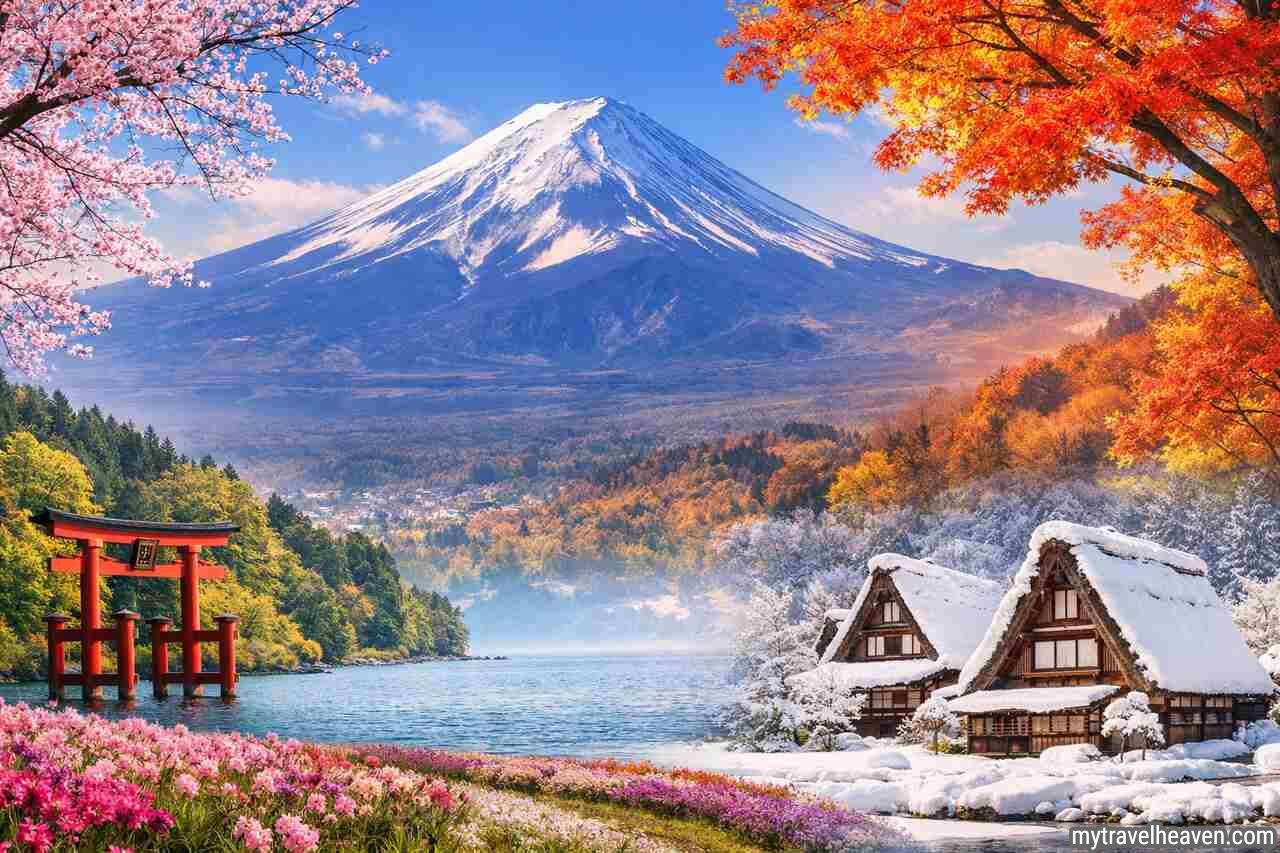
Japan is a destination where timing shapes the entire travel experience. From the fleeting beauty of cherry blossoms to vibrant autumn foliage and snowy winter landscapes, each season transforms the country in distinct ways. Choosing the best time to visit Japan depends on your travel goals, budget, crowd tolerance, and preferred weather conditions. This guide provides a detailed, season-by-season breakdown to help you plan the perfect trip across iconic regions like Tokyo, Kyoto, and Osaka.
Plan Your Trip Around Spring Cherry Blossom Season
Spring, particularly from late March to early April, is widely considered the most famous time to visit Japan due to the blooming of cherry blossoms, known as Sakura. Travelers flock to parks, temples, and riversides to enjoy hanami, the traditional practice of flower viewing.
To experience this season effectively, plan your itinerary around blossom forecasts, which vary slightly each year and region. Southern areas bloom earlier, while northern regions like Sapporo bloom later. Booking accommodations early is essential due to high demand and increased prices.
Spring offers mild weather, cultural festivals, and stunning scenery, but it also comes with heavy crowds and premium travel costs. If you prefer a quieter experience, consider visiting in early March or late April when blossoms are either just starting or fading.
Explore Japan During Summer Festivals and Outdoor Adventures
Summer in Japan, from June to August, is vibrant and energetic, filled with traditional festivals such as Gion Matsuri and dazzling fireworks displays known as Hanabi Festivals.
To enjoy summer fully, prepare for high humidity and temperatures, especially in cities like Tokyo and Osaka. Lightweight clothing, hydration, and indoor breaks are necessary for comfort. This is also the only time you can climb Mount Fuji, which officially opens to hikers during this season.
Summer also offers beach escapes in Okinawa and lush countryside landscapes. However, it includes the rainy season in June and peak travel crowds during school holidays in August, so timing your visit carefully can make a significant difference.
Experience Autumn Foliage and Cultural Beauty
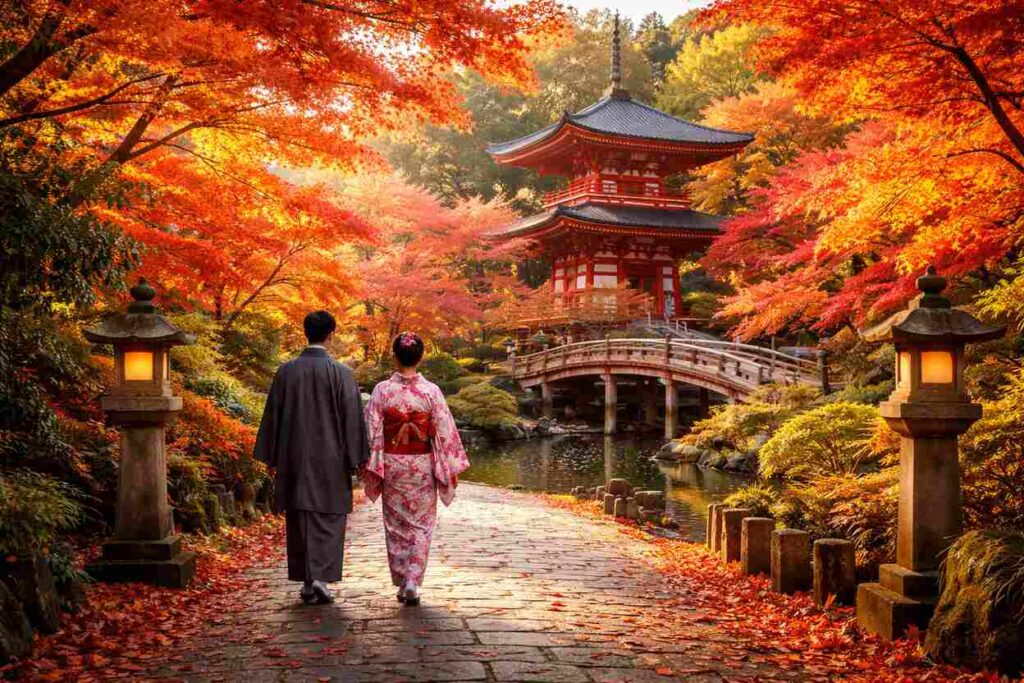
Autumn, from September to November, offers some of the most visually stunning scenery in Japan, highlighted by colorful maple leaves known as Momiji. This season rivals spring in popularity but often provides a more relaxed atmosphere.
To maximize your experience, track foliage forecasts similar to cherry blossom predictions. Regions like Nikko and Kyoto are especially famous for their fall colors. Temperatures are comfortable, making it ideal for sightseeing and walking tours.
Autumn also features seasonal foods, fewer crowds compared to spring, and clear skies perfect for photography. It is an excellent balance between beauty, comfort, and accessibility.
Enjoy Winter Snow, Skiing, and Hot Springs
Winter in Japan, from December to February, transforms the country into a snowy wonderland, particularly in northern regions like Hokkaido. Events like the Sapporo Snow Festival attract visitors from around the world.
To take advantage of winter travel, explore ski resorts such as Niseko, known for world-class powder snow. You can also relax in traditional hot springs, or Onsen, often surrounded by snow-covered landscapes.
Winter offers fewer crowds and lower travel costs, except during the New Year holiday. It is perfect for travelers seeking unique experiences like snow-covered temples, winter cuisine, and peaceful scenery.
Compare Seasonal Travel Conditions in Japan
| Season | Months | Weather | Highlights | Travel Cost | Crowd Level |
|---|---|---|---|---|---|
| Spring | March – May | Mild | Cherry blossoms, festivals | High | Very High |
| Summer | June – August | Hot & Humid | Festivals, beaches, hiking | Medium | High |
| Autumn | September – Nov | Cool & Pleasant | Fall foliage, cultural events | Medium | Medium |
| Winter | December – Feb | Cold & Snowy | Skiing, hot springs, festivals | Low | Low-Medium |
This comparison highlights how each season caters to different travel styles. Spring and autumn prioritize scenery, summer focuses on energy and activity, while winter delivers tranquility and snow experiences.
Choose the Best Time Based on Your Travel Goals
Selecting the right time to visit Japan depends on your personal priorities rather than a single “best” season. Each period offers a unique combination of climate, events, and experiences.
If your goal is photography and iconic landscapes, spring and autumn are ideal due to cherry blossoms and fall foliage. For adventure and outdoor activities, summer provides hiking and beach opportunities. Travelers seeking relaxation and fewer crowds will find winter more appealing.
Budget also plays a key role. Spring is the most expensive due to global demand, while winter offers more affordable options. Flexibility in travel dates allows you to enjoy Japan’s beauty without peak-season pressure.
Plan Around Major Events and National Holidays
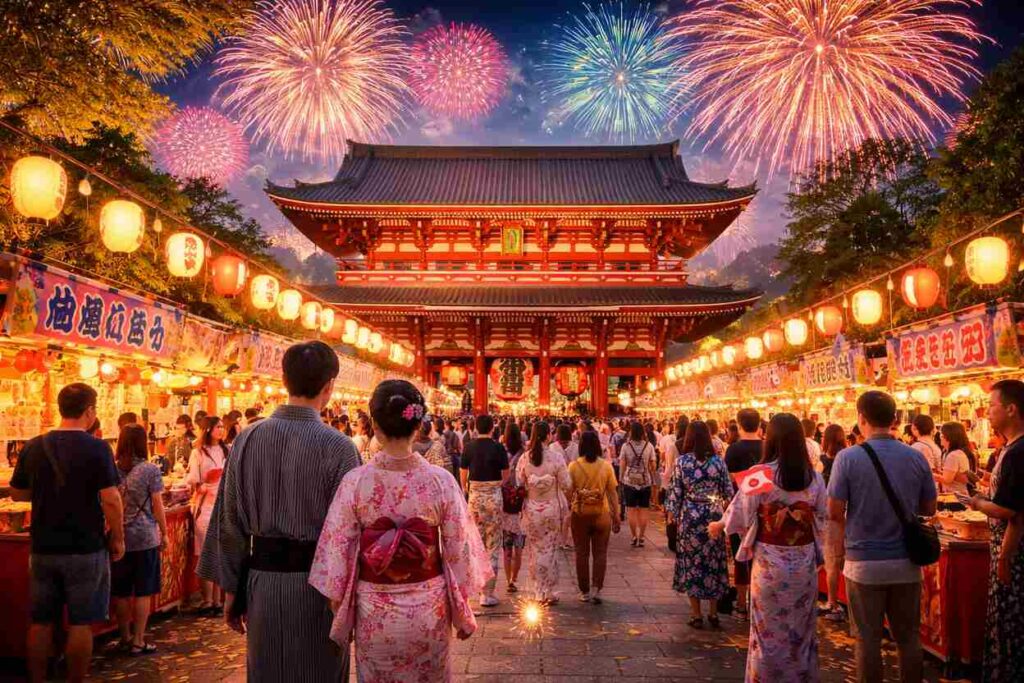
Japan’s calendar includes several national holidays and peak travel periods that significantly impact availability and pricing. Events such as Golden Week in late April to early May and Obon in August lead to domestic travel surges.
To avoid overcrowding, consider traveling just before or after these periods. Alternatively, if you want to experience Japanese culture at its liveliest, these holidays offer festivals, traditions, and vibrant atmospheres.
Understanding these timing factors ensures smoother logistics and a more enjoyable experience.
Understand Regional Climate Differences Across Japan
Japan’s geography stretches from north to south, creating diverse climate conditions that influence travel timing. While Tokyo and Kyoto follow typical seasonal patterns, regions like Hokkaido and Okinawa differ significantly.
Hokkaido experiences longer winters and cooler summers, making it perfect for snow lovers and those avoiding heat. In contrast, Okinawa remains warm year-round, offering tropical beaches even during winter months.
Planning your trip based on regional climate allows you to customize your itinerary and experience multiple seasons within one journey.
Balance Budget, Crowds, and Weather Conditions
Effective travel planning involves balancing three key factors: cost, crowd levels, and weather. Peak seasons such as cherry blossom time bring high prices and crowded attractions, while off-season travel reduces costs but may limit certain experiences.
Booking flights and accommodations early is essential for spring and autumn. For budget travelers, winter and early summer provide better deals and availability.
Strategically combining destinations and travel dates helps optimize your experience without compromising comfort or budget.
Summary: Find Your Perfect Season to Visit Japan
Japan offers year-round appeal, with each season delivering unique experiences that cater to different types of travelers. Spring captivates with cherry blossoms, summer energizes with festivals, autumn impresses with vibrant foliage, and winter provides serene snowy landscapes.
The best time to visit Japan ultimately depends on your interests, whether it’s cultural immersion, natural beauty, or budget-friendly exploration. By aligning your travel goals with seasonal characteristics, you can create a memorable and well-timed journey across one of the world’s most diverse destinations.
FAQs
1. When is the cheapest time to visit Japan?
Winter, particularly January and February, is generally the most affordable period except during New Year holidays.
2. When can I see cherry blossoms in Japan?
Cherry blossoms typically bloom from late March to early April in major cities like Tokyo and Kyoto.
3. Is summer a good time to visit Japan?
Summer is great for festivals and outdoor activities but can be hot and humid, especially in urban areas.
4. What is the best time for autumn foliage?
Autumn leaves peak from November in Kyoto and Tokyo, with earlier changes in northern regions.
5. Does Japan have a rainy season?
Yes, the rainy season usually occurs in June, bringing frequent showers but also lush greenery.
6. Which season has the fewest tourists?
Winter generally has fewer tourists, making it ideal for quieter travel experiences.
