


Choosing the perfect hotel can shape your entire travel experience, influencing comfort, convenience, and overall satisfaction. Whether you are planning a luxury escape, a business trip, or a budget-friendly vacation, selecting the right accommodation requires more than just browsing photos. Platforms like Booking.com and Airbnb make it easier than ever, but they also present countless options that can overwhelm travelers.
This guide walks you through actionable steps to ensure you select the best hotel for your needs. Each section focuses on a practical decision-making process, helping you evaluate location, amenities, pricing, and more with clarity and confidence.
Define Your Travel Purpose and Priorities
Your trip purpose directly determines the type of hotel you should choose. A business traveler requires reliable Wi-Fi, proximity to meeting venues, and quiet environments, while a leisure traveler may prioritize scenic views, entertainment, and relaxation facilities.
Different travel purposes create different expectations. For instance, a honeymoon trip may require luxury suites, spa services, and privacy, while a family vacation demands larger rooms, kid-friendly amenities, and safety. A solo traveler might prioritize affordability and central location.
Understanding your priorities also helps filter unnecessary features. A hotel with a pool may sound appealing, but if your itinerary is packed, it adds no real value. Defining purpose ensures every decision aligns with your travel goals.
Set a Realistic Budget Range
Budget plays a critical role in narrowing down hotel options. Instead of choosing the cheapest or most expensive option, establish a flexible price range that balances comfort and cost.
Hotels typically fall into categories such as budget, mid-range, and luxury. Budget hotels offer essential services, mid-range hotels provide comfort with additional amenities, and luxury hotels deliver premium experiences including concierge services and fine dining.
Hidden costs often affect the final price. Taxes, resort fees, parking charges, and breakfast costs can significantly increase your total expense. Always review the final price breakdown before booking to avoid surprises.
Hotel Price Comparison Table
| Hotel Category | Average Price Range (Per Night) | Key Features | Best For |
|---|---|---|---|
| Budget | $20–$80 | Basic rooms, minimal services | Backpackers, solo travelers |
| Mid-Range | $80–$200 | Comfortable rooms, Wi-Fi, breakfast | Families, couples |
| Luxury | $200+ | Premium services, spa, fine dining | Honeymooners, business elites |
Choose the Ideal Location for Convenience
Location determines how easily you can access attractions, transportation, and essential services. A centrally located hotel reduces travel time and transportation costs.
For city travel, staying near landmarks like Eiffel Tower or Times Square ensures easy exploration. For beach vacations, proximity to the coastline enhances the experience. Business travelers should prioritize hotels near conference centers or offices.
Safety and accessibility also matter. Research neighborhood reviews, public transport availability, and nearby facilities such as restaurants and hospitals. A cheaper hotel in a remote area may cost more in transportation and inconvenience.
Compare Amenities That Match Your Needs
Amenities significantly impact comfort and satisfaction. Instead of focusing on quantity, evaluate the relevance of each facility to your stay.
Essential amenities include Wi-Fi, air conditioning, and cleanliness. Advanced features may include fitness centers, swimming pools, spas, and business lounges. Families might need babysitting services, while remote workers require dedicated workspaces.
Some hotels specialize in niche experiences. Boutique hotels offer unique designs, eco-hotels focus on sustainability, and business hotels provide meeting rooms and high-speed internet. Matching amenities with your needs ensures maximum value.
Read Verified Guest Reviews Carefully
Guest reviews provide real-world insights that hotel descriptions often omit. Platforms like TripAdvisor and Google Maps aggregate user experiences, helping you assess quality and reliability.
Focus on patterns rather than individual opinions. Repeated complaints about cleanliness, noise, or service indicate genuine issues. Positive reviews highlighting staff behavior, comfort, and location add credibility.
Pay attention to recent reviews. Hotel management and conditions can change over time, so up-to-date feedback reflects the current experience more accurately.
Evaluate Hotel Ratings and Star Classifications
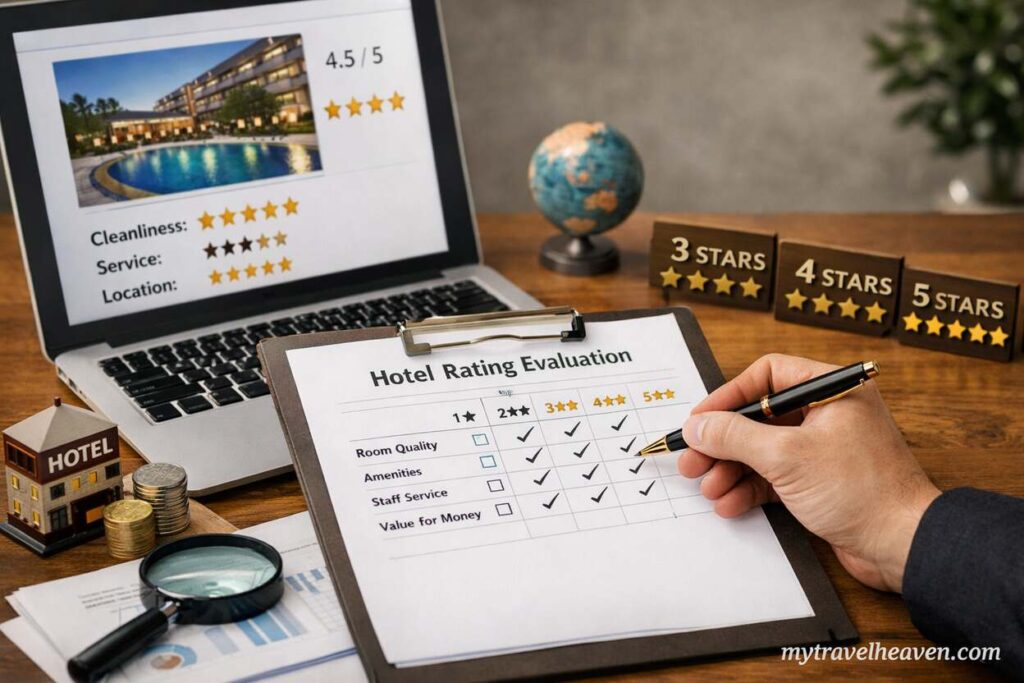
Star ratings provide a standardized measure of hotel quality, but they vary by country and organization. A 4-star hotel in one region may differ from another in terms of facilities and service.
Higher star ratings generally indicate better amenities, service quality, and design. However, they do not always guarantee a perfect experience. Some boutique hotels may offer exceptional service despite lower star ratings.
Combining star ratings with guest reviews provides a more accurate picture. Ratings show expected standards, while reviews reveal actual performance.
Check Accessibility and Transportation Options
Transportation accessibility directly impacts your daily travel efficiency. Hotels near airports, train stations, or public transit systems save time and effort.
Urban destinations often benefit from proximity to metro systems such as the London Underground or New York City Subway. Easy access to these systems allows flexible and cost-effective travel.
Additionally, check whether the hotel offers shuttle services, taxi arrangements, or parking facilities. These features add convenience, especially for travelers unfamiliar with the destination.
Analyze Room Types and Space Requirements
Room selection goes beyond choosing a bed. Different room types cater to different traveler needs, from single rooms to suites and family apartments.
A solo traveler may prefer compact rooms, while families require interconnected spaces or suites. Business travelers benefit from rooms with desks and ergonomic chairs, while couples may prefer rooms with scenic views or balconies.
Understanding room layouts, bed types, and available space ensures comfort throughout your stay. Always review photos and descriptions carefully before booking.
Compare Booking Platforms and Deals
Different booking platforms offer varying prices, deals, and cancellation policies. Comparing options ensures you get the best value.
Major platforms such as Expedia and Agoda provide discounts, loyalty rewards, and bundled packages. Direct hotel bookings sometimes include perks like free upgrades or complimentary breakfast.
Timing also affects pricing. Booking in advance often secures better rates, while last-minute deals can offer discounts for flexible travelers. Comparing multiple sources helps identify the most cost-effective option.
Review Cancellation and Refund Policies
Flexible booking policies protect you from unexpected changes. Always review cancellation terms before confirming your reservation.
Some hotels offer free cancellation within a specific period, while others charge penalties for changes. Non-refundable bookings are cheaper but risky if plans change.
Understanding refund timelines, modification options, and emergency policies ensures peace of mind and financial security.
Assess Safety, Hygiene, and Cleanliness Standards
Safety and hygiene have become top priorities for travelers worldwide. Hotels must maintain high standards to ensure guest well-being.
Look for hotels that follow recognized cleanliness protocols and certifications, such as those aligned with World Health Organization guidelines. Regular sanitization, contactless check-in, and proper ventilation systems are essential features.
Security measures such as surveillance cameras, secure access systems, and 24-hour front desk services add an extra layer of safety. A secure environment enhances overall comfort during your stay.
Compare Hotel Types for Different Experiences
Different hotel types provide unique experiences tailored to specific traveler needs.
Hotel Type Comparison Table
| Hotel Type | Key Features | Ideal Travelers | Experience Level |
|---|---|---|---|
| Boutique Hotel | Unique design, personalized service | Couples, solo travelers | High |
| Resort | All-inclusive services, entertainment | Families, honeymooners | Premium |
| Business Hotel | Meeting rooms, fast Wi-Fi | Corporate travelers | Functional |
| Hostel | Shared rooms, budget-friendly | Backpackers | Basic |
| Apartment Hotel | Kitchen, living space | Long stays, families | Comfortable |
Choosing the right type ensures alignment with your travel expectations and lifestyle.
Verify Photos and Avoid Misleading Listings

Photos influence decisions, but they can sometimes be outdated or edited. Always cross-check images from multiple sources.
User-uploaded photos often provide a more realistic view than professional images. Compare room layouts, bathroom conditions, and common areas.
Consistency between photos and reviews increases trust. If images look too perfect but reviews mention issues, proceed with caution.
Consider Loyalty Programs and Membership Benefits
Frequent travelers benefit from hotel loyalty programs that offer rewards, discounts, and upgrades.
Major hotel groups like Marriott International and Hilton Hotels & Resorts provide points-based systems. Members can earn free nights, room upgrades, and exclusive deals.
These programs add long-term value, especially for business travelers or frequent vacationers. Signing up is usually free and enhances overall travel benefits.
Finalize Booking with Confidence
After evaluating all factors, finalize your booking with confidence by reviewing every detail one last time.
Confirm check-in and check-out times, included amenities, payment terms, and special requests. Save booking confirmations and contact details for easy reference.
Double-check location, policies, and reviews before completing payment. A well-informed decision ensures a smooth and enjoyable hotel experience.
Conclusion
Choosing the perfect hotel requires a balance of planning, research, and prioritization. From defining your travel purpose to comparing amenities, location, and pricing, every step contributes to a better experience. Reliable platforms, verified reviews, and careful evaluation help eliminate uncertainty and ensure satisfaction.
By following these structured steps, you can confidently select a hotel that aligns with your needs, budget, and expectations, turning your trip into a seamless and memorable journey.
FAQs
How far in advance should I book a hotel?
Booking 2–3 months in advance is ideal for most trips. For peak seasons or popular destinations, booking earlier ensures better availability and pricing.
Are cheaper hotels always a bad choice?
Not necessarily. Budget hotels can offer excellent value if they meet your essential needs and have positive reviews.
Should I book directly with the hotel or through a platform?
Both options have benefits. Platforms offer competitive pricing, while direct bookings may include exclusive perks and flexibility.
How important are hotel reviews?
Reviews are extremely important. They provide real insights into cleanliness, service, and overall experience.
What is the best location for a hotel?
The best location depends on your trip purpose. Central areas are ideal for sightseeing, while quiet neighborhoods suit relaxation.
Can I trust hotel star ratings?
Star ratings provide general guidance, but combining them with guest reviews gives a more accurate assessment.

1 Comment
Pingback: 7 Hotel Hazards Every Traveler Should Know Before Booking