

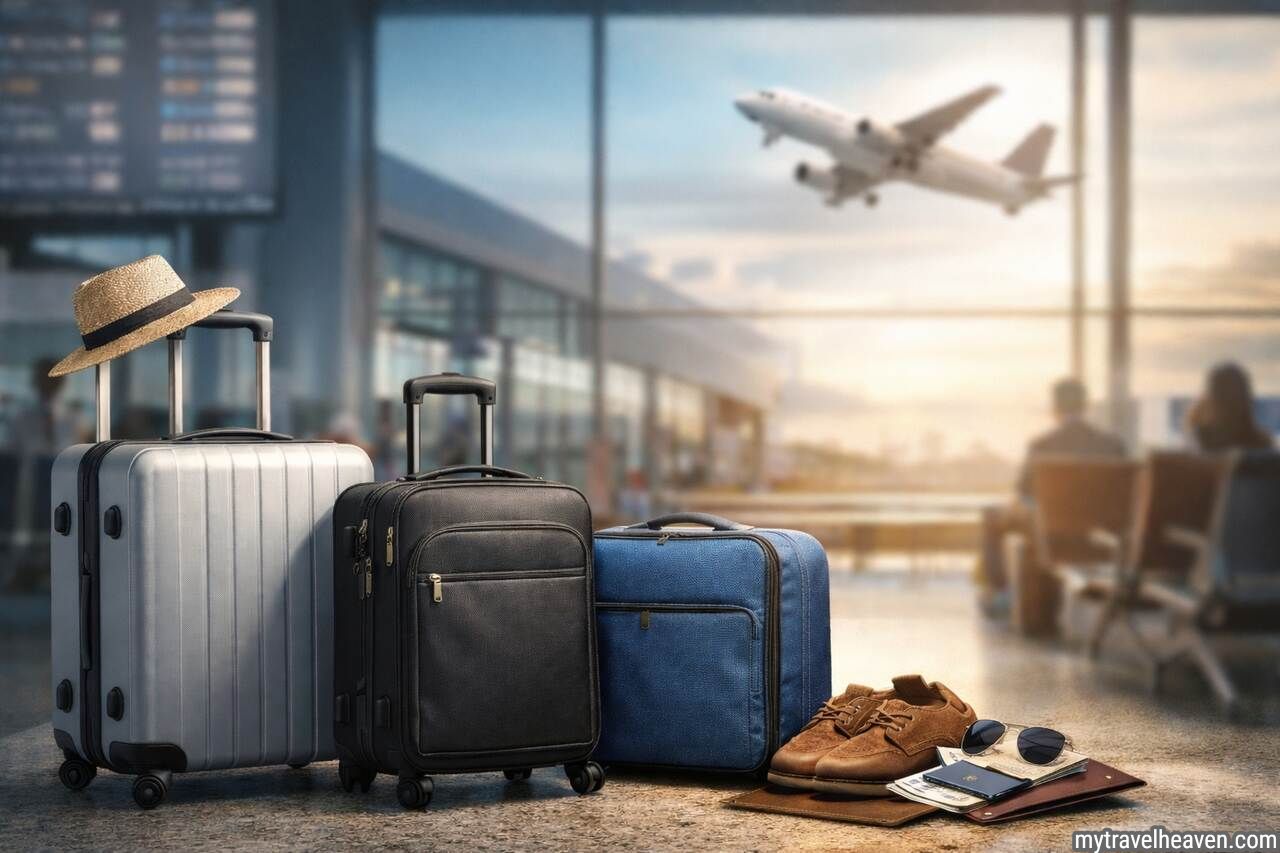
Frequent flyers know that a reliable carry-on suitcase is not just a convenience—it’s a necessity. Whether navigating tight connections, avoiding baggage fees, or ensuring valuables stay close, the right suitcase directly impacts travel efficiency. Airlines enforce strict cabin size rules, overhead space is limited, and durability matters when your luggage is constantly in motion. This guide breaks down the best carry-on suitcases designed for frequent travelers, focusing on durability, mobility, organization, and compliance with airline standards.
Choose Airline-Compliant Carry-On Dimensions
Selecting a suitcase that meets airline size restrictions prevents last-minute gate checks and unnecessary stress. Most airlines, including American Airlines and Emirates, allow carry-ons around 22 x 14 x 9 inches, but slight variations exist.
A frequent traveler should prioritize suitcases labeled as “international carry-on compliant,” as these tend to meet stricter global standards. Compact designs maximize packing capacity while staying within limits. Expandable carry-ons can be useful but may risk exceeding size rules if overpacked.
Different travel regions enforce different policies. European carriers like Ryanair often impose stricter size and weight limits, while US domestic flights are more flexible. Choosing a universally accepted size ensures smoother travel across routes.
Prioritize Lightweight and Durable Materials
Material choice determines how well a suitcase withstands frequent use. Hard-shell and soft-shell options each offer advantages depending on travel habits.
Polycarbonate shells, used by brands like Samsonite, provide high impact resistance while remaining lightweight. Aluminum cases, such as those from Rimowa, deliver unmatched durability but come with added weight and cost.
Soft-shell suitcases made from ballistic nylon or polyester offer flexibility and external pockets for easy access. They tend to weigh less and fit into tight overhead bins more easily. However, they provide less protection for fragile items compared to hard-shell designs.
Frequent flyers often prefer hybrid durability—lightweight polycarbonate with reinforced corners or water-resistant coatings for long-term reliability.
Select High-Quality Spinner Wheels for Smooth Mobility
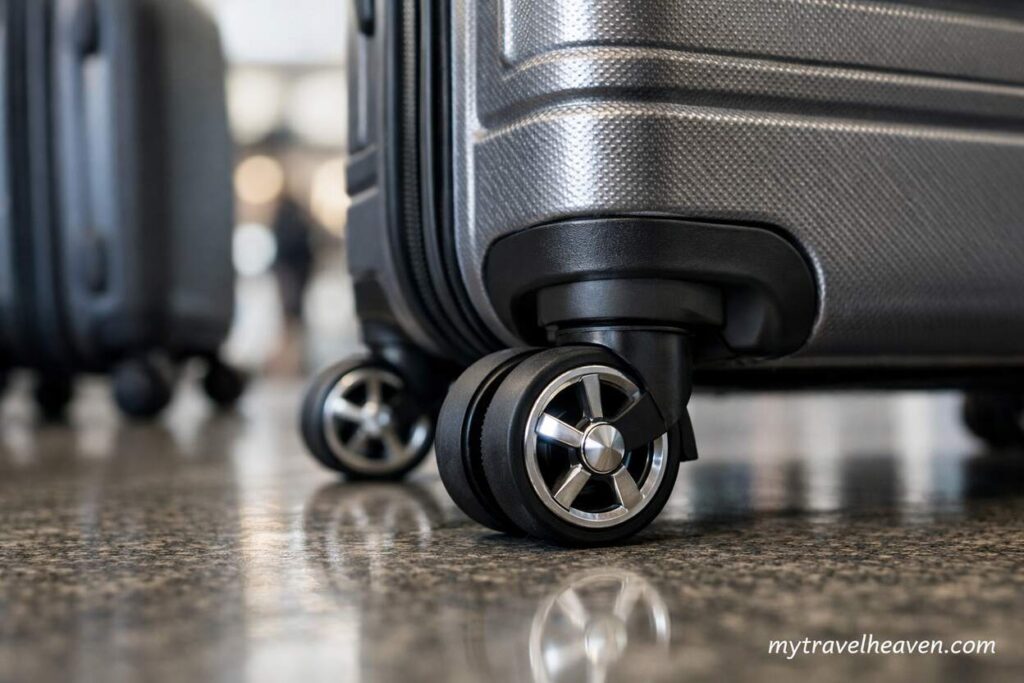
Mobility becomes critical in airports, especially during tight layovers or long terminal walks. Spinner wheels provide 360-degree movement, reducing strain on the traveler.
Premium suitcases from Travelpro and Away feature double-spinner wheels that glide smoothly across surfaces. These wheels distribute weight evenly and improve maneuverability in crowded spaces.
Wheel construction matters as much as design. Rubberized wheels absorb shock and reduce noise, while plastic wheels tend to wear down quickly. Frequent travelers should avoid two-wheel roller designs unless prioritizing rugged terrain usage.
Reliable wheels also improve suitcase longevity. A well-built wheel system prevents wobbling, dragging, or breakage during heavy travel cycles.
Evaluate Handle Design and Structural Stability
A sturdy telescopic handle ensures comfort and control. Weak handles can ruin the travel experience, especially when rushing through airports.
High-end brands like Tumi use aircraft-grade aluminum handles with minimal wobble. Adjustable height settings allow customization based on user comfort.
Handle grip design also plays a role. Ergonomic grips reduce hand fatigue, while multi-stop handles improve flexibility for travelers of different heights. Reinforced handle housings prevent internal damage over time.
Structural stability ensures the suitcase remains upright even when fully packed. A well-balanced carry-on avoids tipping, especially important when carrying additional personal items.
Optimize Interior Organization and Packing Efficiency
Efficient packing separates casual travelers from frequent flyers. A well-organized suitcase reduces time spent searching for items and maximizes available space.
Interior features to look for include compression straps, zippered compartments, and modular packing systems. Brands like Briggs & Riley offer built-in compression systems that allow travelers to pack more without exceeding size limits.
Some carry-ons include removable laundry bags, shoe compartments, and tech sleeves for laptops and chargers. These features help maintain organization during multi-leg journeys.
Frequent flyers often use packing cubes in combination with suitcase compartments. This layered organization improves accessibility and keeps items secure during transit.
Compare Hard-Shell vs Soft-Shell Carry-Ons
| Feature | Hard-Shell Suitcase | Soft-Shell Suitcase |
|---|---|---|
| Durability | High impact resistance | Moderate durability |
| Weight | Slightly heavier | Generally lighter |
| Flexibility | Limited | More flexible |
| Protection | Better for fragile items | Less protective |
| Storage | Fixed capacity | Expandable options available |
Hard-shell suitcases suit travelers carrying electronics or delicate items. Soft-shell options work better for those needing flexibility and external storage.
Choosing between the two depends on travel style, packing habits, and destination requirements.
Invest in Reliable Security Features
Security becomes essential when traveling frequently through busy airports. Modern carry-ons include TSA-approved locks and anti-theft zippers.
Suitcases from Delsey incorporate integrated locking systems that allow security checks without damaging the lock. Dual-coil zippers resist punctures and unauthorized access.
Some premium models include RFID-blocking pockets for passports and cards. These features protect sensitive information during international travel.
While no suitcase is completely theft-proof, strong locks and durable zippers significantly reduce risk.
Assess Brand Reliability and Warranty Coverage
Frequent flyers benefit from brands that stand behind their products. Warranty coverage reflects confidence in durability and long-term performance.
Briggs & Riley offers a lifetime repair guarantee, even covering airline damage. Samsonite provides global service networks, making repairs accessible worldwide.
Premium brands like Tumi combine durability with strong customer support, though at higher price points. Mid-range brands often balance affordability with decent warranty coverage.
Reliable warranty policies reduce long-term costs and ensure peace of mind for frequent travelers.
Compare Top Carry-On Suitcases for Frequent Flyers
| Brand | Model Type | Key Strength | Ideal For |
|---|---|---|---|
| Samsonite | Polycarbonate | Lightweight durability | Budget-conscious frequent flyers |
| Away | Hard-shell | Modern design and features | Tech-savvy travelers |
| Travelpro | Soft-shell | Airline-tested reliability | Business travelers |
| Rimowa | Aluminum | Premium durability | Luxury frequent flyers |
| Briggs & Riley | Expandable | Compression and warranty | Heavy packers |
| Tumi | Hybrid | Premium build and design | High-end travelers |
Each brand caters to a specific travel style, making it important to align features with personal needs.
Balance Price with Long-Term Value
Frequent flyers should view luggage as a long-term investment rather than a short-term purchase. Cheap suitcases often fail after repeated use, leading to higher replacement costs.
Mid-range options offer the best balance between durability and price. High-end brands provide superior materials and warranties, making them cost-effective over time for heavy travelers.
Budget considerations should include factors such as travel frequency, trip duration, and packing habits. Spending more upfront often results in fewer replacements and better performance.
Match Suitcase Features to Travel Style
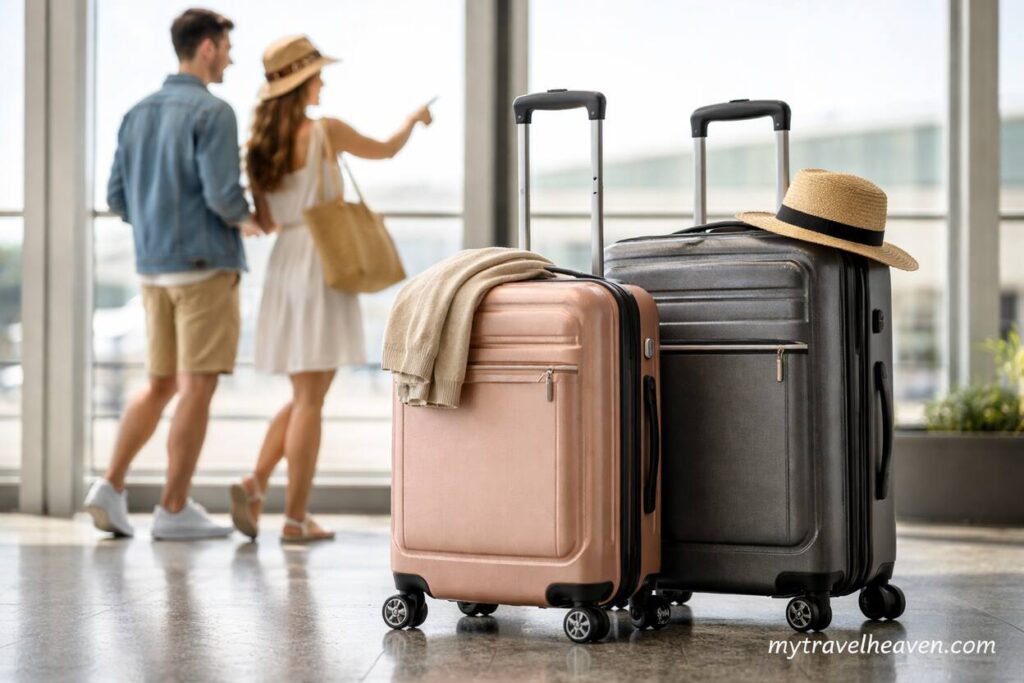
Different travelers have different priorities. Business travelers often prefer sleek, professional designs with laptop compartments. Leisure travelers may prioritize expandable storage and flexibility.
Frequent international travelers benefit from lightweight, compact suitcases that meet global airline standards. Digital nomads may prefer carry-ons with built-in USB ports or tech-friendly compartments, commonly found in brands like Away.
Matching features to travel style ensures the suitcase enhances efficiency rather than becoming a limitation.
Conclusion
Choosing the best carry-on suitcase for frequent flyers involves balancing size compliance, durability, mobility, and organization. A well-designed suitcase reduces travel stress, improves efficiency, and withstands repeated use across airports and destinations.
Brands like Samsonite, Travelpro, Away, and Rimowa offer options for different budgets and travel styles. The key lies in selecting a suitcase that aligns with airline requirements and personal travel habits. Investing in quality luggage ultimately saves time, money, and effort over the long run.
FAQs
1. What size carry-on is allowed on most airlines?
Most airlines allow carry-ons up to 22 x 14 x 9 inches, but checking specific airline policies is always recommended.
2. Are hard-shell suitcases better than soft-shell ones?
Hard-shell suitcases offer better protection, while soft-shell options provide flexibility and lighter weight.
3. Which brand is best for frequent flyers?
Brands like Samsonite, Travelpro, and Briggs & Riley are highly reliable for frequent travel due to durability and warranty support.
4. Do carry-on suitcases need TSA locks?
TSA-approved locks are highly recommended for security, especially during international travel.
5. How long should a good carry-on suitcase last?
A high-quality carry-on can last 5–10 years or more, depending on usage and build quality.
6. Is it worth buying an expensive carry-on suitcase?
Yes, frequent travelers benefit from durability, better features, and long-term cost savings offered by premium luggage.
