

Introduction
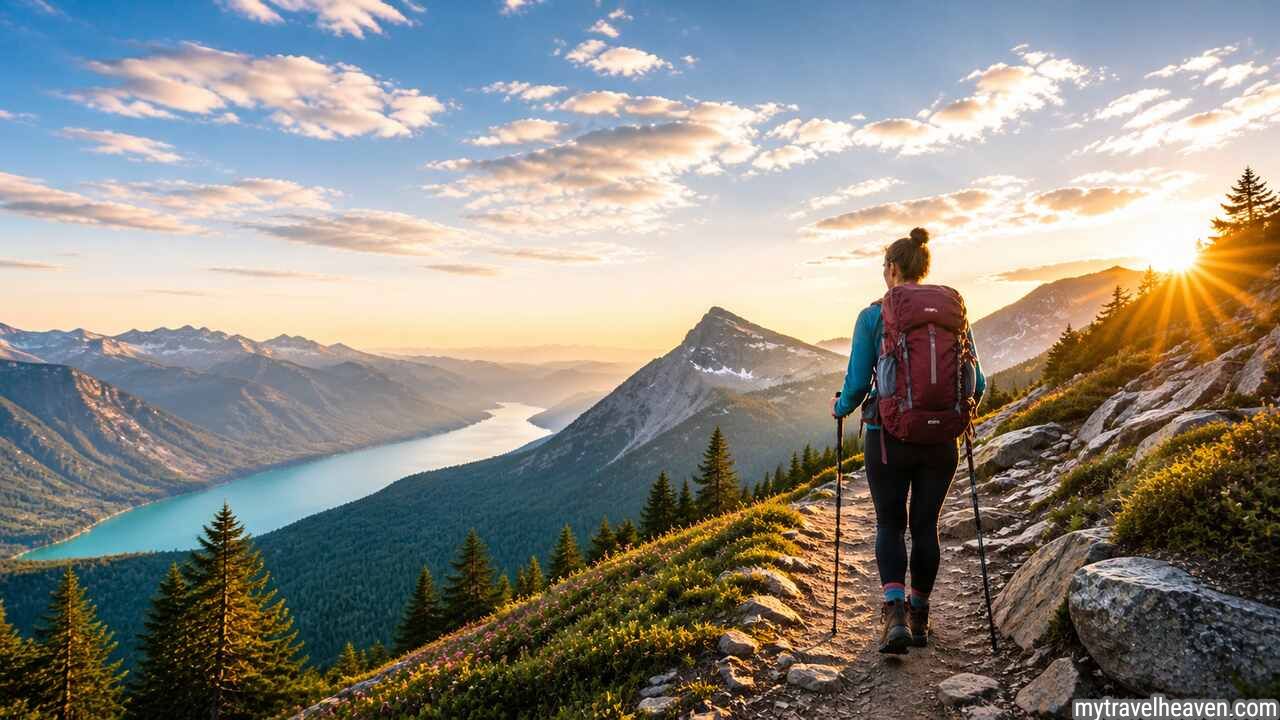
Hiking trails connect travelers to landscapes, cultures, and ecosystems in a way no other activity can. From alpine passes to coastal paths, the world offers routes that challenge endurance, reward curiosity, and deliver unforgettable views. Choosing the right hiking trail depends on terrain, climate, difficulty level, and personal goals. This guide presents globally recognized hiking routes, practical steps for planning, and detailed insights to help every traveler experience the most iconic trails with confidence.
Choose Iconic Global Hiking Destinations
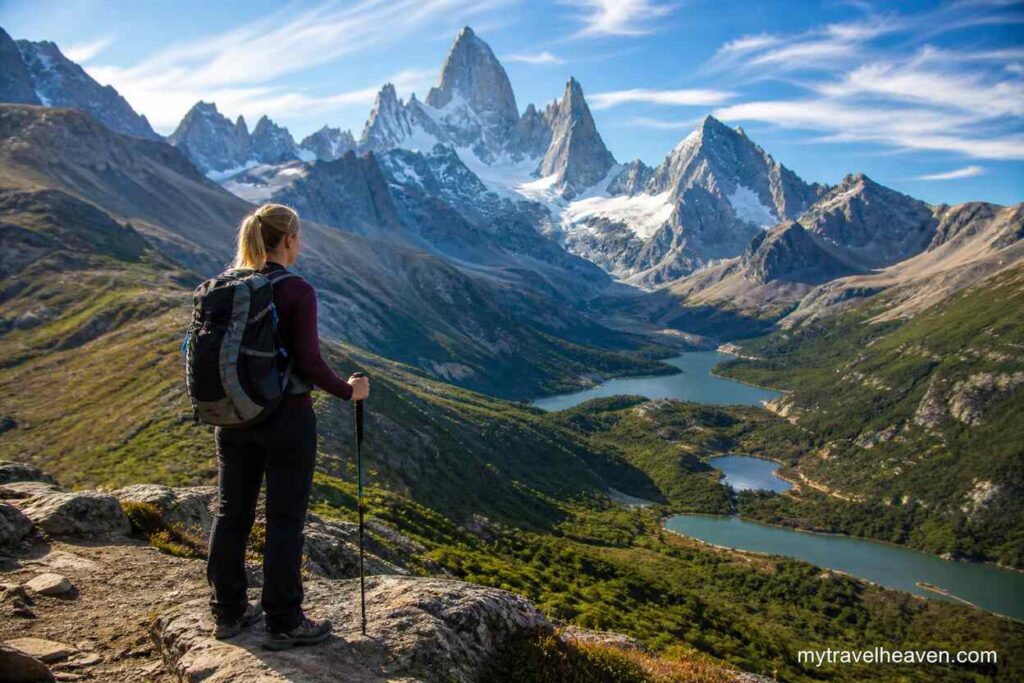
Selecting a world-class hiking destination ensures a combination of scenic diversity, cultural richness, and reliable trail infrastructure. Some trails stand out due to their natural beauty, accessibility, and global reputation.
Inca Trail to Machu Picchu
The Inca Trail leads directly to Machu Picchu, offering a blend of ancient ruins and mountain scenery. The trail spans approximately 42 kilometers through the Andes and includes archaeological sites such as Wiñay Wayna.
Permits are required and limited, which means planning months in advance is necessary. Travelers must also hike with licensed guides, ensuring both safety and preservation of the route.
The experience combines altitude challenges, historical immersion, and panoramic views, making it one of the most rewarding hikes globally.
Everest Base Camp Trek
The Everest Base Camp trek takes hikers through the Khumbu region in Nepal. It offers views of Mount Everest along with peaks like Lhotse and Nuptse.
The trek typically lasts 12 to 14 days and requires acclimatization to high altitudes. Key stops include Namche Bazaar and Tengboche Monastery.
This trail emphasizes endurance and altitude awareness while providing cultural exposure to Sherpa communities.
Appalachian Trail
The Appalachian Trail stretches over 3,500 kilometers across the eastern United States. It runs from Georgia to Maine, crossing 14 states.
Hikers can choose section hikes or attempt a thru-hike, which takes several months. Shelters and marked paths make navigation manageable.
This trail delivers diverse ecosystems, from dense forests to mountain ridges, appealing to both beginners and experienced hikers.
Assess Trail Difficulty and Terrain Conditions
Understanding trail difficulty ensures safety and enjoyment. Each hiking trail varies in elevation gain, terrain type, and climate conditions.
Trail grading systems often classify hikes as easy, moderate, or difficult. Easy trails feature flat terrain and short distances, while difficult routes include steep ascents and long durations.
Terrain plays a critical role. Rocky paths, snow-covered routes, and jungle trails demand different gear and physical preparation. Weather patterns also affect trail conditions significantly.
Travelers should evaluate fitness levels and match them with trail demands. Choosing an overly challenging hike can lead to exhaustion or injury, while an appropriate match enhances the experience.
Prepare Essential Hiking Gear and Equipment
Proper gear ensures safety, comfort, and efficiency during hikes. Packing strategically reduces fatigue and prepares travelers for unexpected situations.
Key items include hiking boots, weather-appropriate clothing, navigation tools, and hydration systems. Backpacks should distribute weight evenly and include emergency supplies.
| Category | Essential Items | Purpose |
|---|---|---|
| Footwear | Hiking boots, moisture-wicking socks | Stability and blister prevention |
| Navigation | Map, compass, GPS device | Route tracking |
| Safety | First aid kit, whistle, headlamp | Emergency preparedness |
| Hydration | Water bottles, filtration system | Prevent dehydration |
Additional gear such as trekking poles and portable stoves enhances comfort on longer hikes.
Preparation also involves testing equipment before the trip. Ill-fitting boots or unfamiliar gear can disrupt the journey.
Plan Travel Logistics and Permits
Organizing logistics ensures smooth access to hiking trails and compliance with regulations. Many popular trails require permits, guides, or reservations.
The Inca Trail uses a strict permit system to limit environmental impact. Similarly, national parks in countries like Canada and New Zealand require advance bookings.
Transportation to trailheads is another key factor. Remote trails often require additional travel via buses, domestic flights, or local guides.
Accommodation planning includes campsites, lodges, or huts depending on the trail. Some routes provide structured lodging, while others require carrying tents.
Proper planning minimizes last-minute complications and ensures access to desired trails.
Explore Diverse Trail Types Across Continents
Hiking trails vary widely across continents, offering unique environmental and cultural experiences.
Torres del Paine W Trek
Located in Chile, the Torres del Paine National Park offers the W Trek, known for glaciers, lakes, and granite towers.
The trail spans about 80 kilometers and includes highlights like Grey Glacier and the French Valley.
Weather conditions can change rapidly, requiring flexible planning and proper gear.
Camino de Santiago
The Camino de Santiago in Spain combines cultural heritage with long-distance walking.
Routes vary, with the Camino Francés being the most popular. Pilgrims walk through villages, vineyards, and historic towns.
This trail focuses less on extreme terrain and more on endurance and cultural immersion.
Milford Track
The Milford Track in New Zealand is known for waterfalls, rainforests, and alpine passes.
The 53-kilometer trail requires booking through the Department of Conservation. Huts provide structured accommodation.
It offers a balanced mix of accessibility and scenic richness, ideal for travelers seeking moderate difficulty.
Build Physical Endurance and Hiking Skills
Preparing physically improves performance and reduces injury risks during hikes. Training should match the intensity of the chosen trail.
Cardiovascular exercises such as running and cycling improve stamina. Strength training enhances muscle support for carrying backpacks.
Practicing on local trails builds familiarity with terrain and pacing. Gradually increasing distance and elevation prepares the body for longer hikes.
Mental preparation also plays a role. Long hikes require persistence, especially under changing weather conditions.
Follow Safety Practices and Environmental Responsibility
Safety and environmental awareness are essential components of hiking. Responsible behavior protects both hikers and natural ecosystems.
Basic safety measures include informing someone about travel plans, checking weather forecasts, and carrying emergency supplies.
The “Leave No Trace” principle encourages minimizing environmental impact. This includes packing out waste and avoiding disturbance to wildlife.
Trail etiquette involves respecting other hikers, maintaining distance, and preserving the natural experience for everyone.
Compare Popular Hiking Trails by Key Factors
| Trail Name | Location | Distance | Difficulty | Unique Feature |
|---|---|---|---|---|
| Inca Trail | Peru | 42 km | Moderate | Ancient ruins and Andes scenery |
| Everest Base Camp | Nepal | 130 km roundtrip | कठिन (Hard) | Himalayan peaks and altitude |
| Appalachian Trail | USA | 3,500+ km | Variable | Longest continuous footpath |
| W Trek | Chile | 80 km | Moderate | Glaciers and granite towers |
| Milford Track | New Zealand | 53 km | Moderate | Waterfalls and rainforest |
This comparison helps travelers align preferences with trail characteristics.
Capture Memorable Experiences and Travel Stories
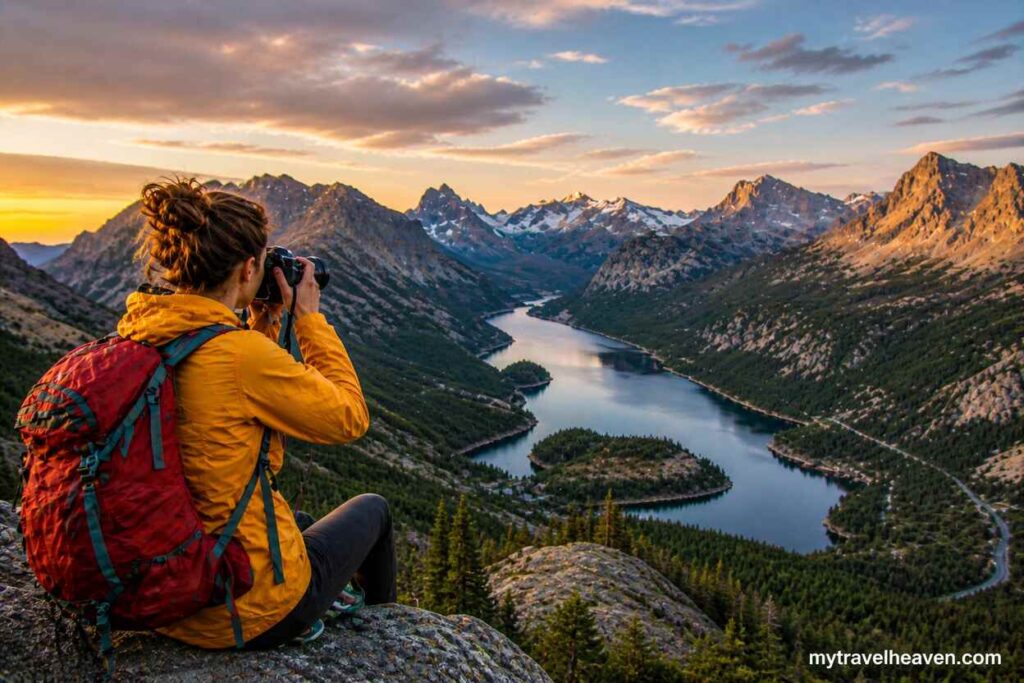
Documenting hiking experiences preserves memories and enhances storytelling. Photography, journaling, and video recording are popular methods.
Capturing sunrise views, wildlife encounters, and trail milestones creates lasting impressions. Sharing these experiences inspires others to explore.
Travelers often connect deeply with nature during hikes, making these moments meaningful beyond visuals.
Conclusion
Hiking trails offer a powerful way to explore the world through physical activity, cultural exposure, and natural beauty. From the historic paths of the Camino de Santiago to the challenges of Everest Base Camp, each trail provides unique rewards. Careful planning, proper gear, and physical preparation ensure a safe and fulfilling journey. By selecting the right trail and following responsible practices, every traveler can experience some of the most extraordinary landscapes on Earth.
FAQs
1. How do I choose the best hiking trail for my skill level?
Match trail difficulty with your fitness level, experience, and comfort with terrain and altitude.
2. Do I need permits for all hiking trails?
Not all trails require permits, but popular ones like the Inca Trail and Milford Track do.
3. What is the best time for global hiking trips?
Timing depends on location. For example, Nepal is best in spring and autumn, while Patagonia is ideal in summer.
4. How much weight should my backpack carry?
A backpack should generally not exceed 10 to 15 percent of your body weight.
5. Are guided hikes better than solo hiking?
Guided hikes provide safety and local knowledge, especially in remote or regulated trails.
6. What should I do in case of emergencies on a trail?
Carry a first aid kit, stay calm, and use communication devices or signals to seek help.
