

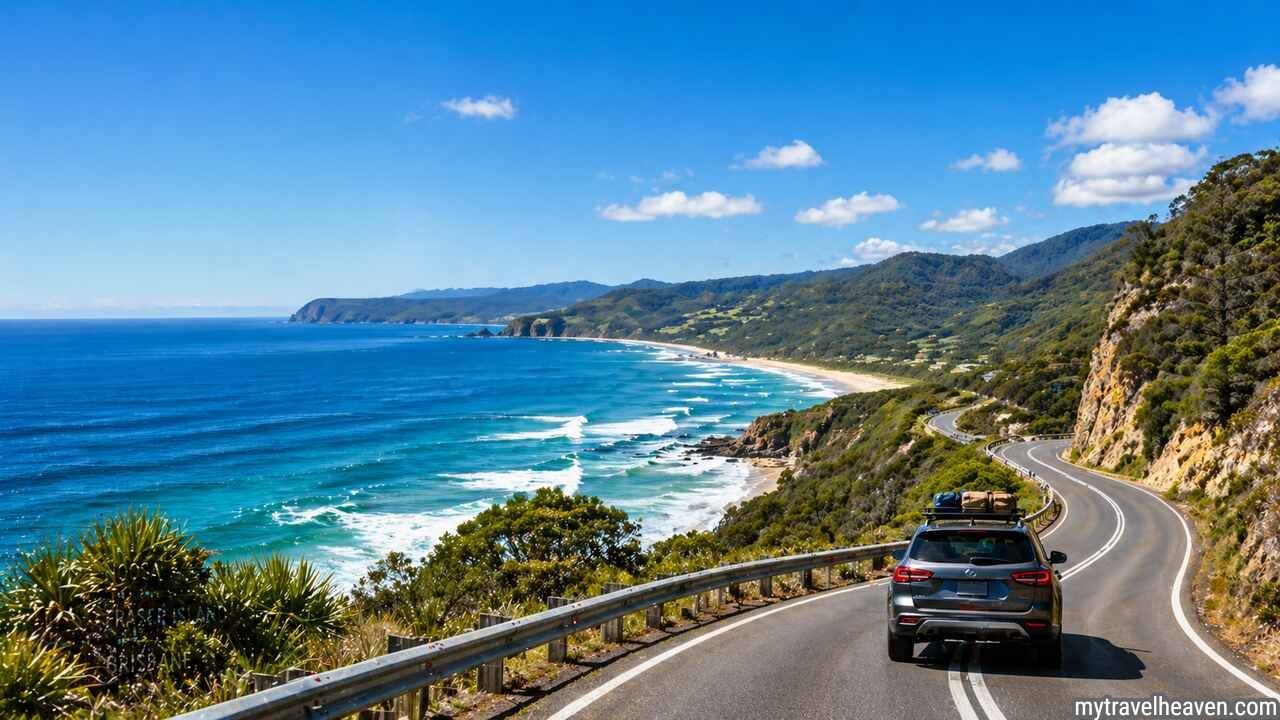
Planning an unforgettable road trip along Australia’s east coast requires more than just picking destinations. It involves structuring a logical route, understanding regional highlights, preparing for diverse landscapes, and aligning your travel pace with experiences. From vibrant cities like Sydney and Brisbane to natural wonders such as Great Barrier Reef, this route offers a blend of coastal drives, wildlife encounters, and iconic landmarks. This guide walks you through each step to create a seamless and rewarding journey.
Plan Your Route from Sydney to Cairns
The most efficient east coast road trip begins in Sydney and ends in Cairns, covering approximately 2,600 kilometers of scenic coastline. This route allows gradual exploration of beaches, rainforests, and urban hubs while minimizing backtracking.
You’ll need to map out key stops including Byron Bay, Gold Coast, Brisbane, Noosa, Airlie Beach, and Townsville. Each destination offers distinct attractions, from surf culture to reef access points.
Adjust your route depending on time availability. A two-week itinerary requires tighter scheduling with fewer stops, while a three- to four-week trip allows deeper exploration of national parks and hidden beaches.
Choose the Best Time for Travel
The east coast climate varies significantly from south to north, making timing a crucial factor in your planning. The ideal travel window typically falls between September and November or March and May.
Weather conditions influence accessibility to major attractions like the Daintree Rainforest and reef tours from Cairns. Northern Queensland experiences a wet season from December to February, which can limit outdoor activities.
Seasonality also affects crowd levels and accommodation pricing. Peak summer months attract both international tourists and locals, especially in hotspots like Byron Bay and Gold Coast.
Rent a Suitable Vehicle for Long Distances
Selecting the right vehicle directly impacts comfort and flexibility during your road trip. A standard car works for budget travelers, while campervans provide accommodation and transport in one solution.
Vehicle options include compact cars for fuel efficiency, SUVs for comfort on longer drives, and campervans for self-contained travel. Rental providers such as JUCY Rentals and Apollo Motorhome Holidays offer various packages.
Consider factors like fuel consumption, insurance coverage, and storage space. Long stretches between towns in Queensland require proper planning for fuel stops and supplies.
Explore Sydney’s Coastal and Urban Highlights
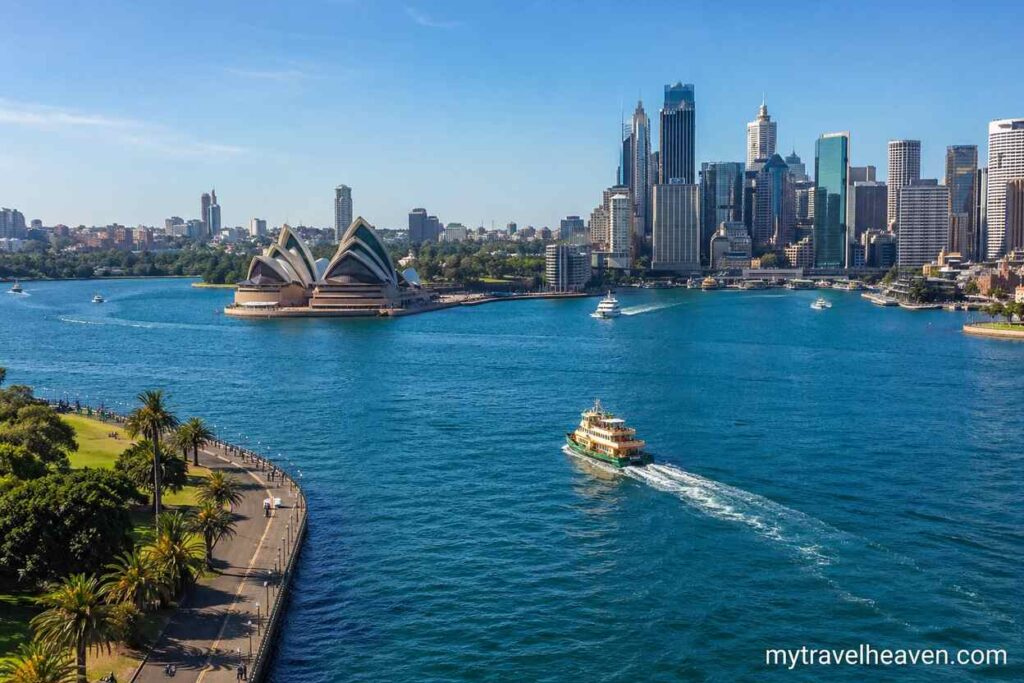
Sydney serves as the perfect starting point, offering a mix of iconic landmarks and coastal experiences. Begin your journey by visiting the Sydney Opera House and Sydney Harbour Bridge.
Coastal attractions such as Bondi Beach and the Bondi to Coogee walk provide scenic ocean views and local culture. These experiences set the tone for the coastal journey ahead.
Spend at least two to three days here to adjust to the environment, stock up on essentials, and prepare for the drive north.
Drive Through Byron Bay and Northern NSW
Heading north, Byron Bay offers a relaxed atmosphere with strong surf culture and wellness experiences. Visit the Cape Byron Lighthouse for panoramic ocean views.
This region includes nearby towns like Ballina and Lennox Head, each providing quieter beach alternatives. The area is also known for dolphin sightings and coastal walks.
Allow time for local markets, yoga retreats, and beach exploration. This stop contrasts with Sydney’s urban pace and introduces a slower travel rhythm.
Experience Gold Coast Attractions and Entertainment
The Gold Coast combines beaches with entertainment hubs. Surfers Paradise is the central hotspot, offering nightlife, dining, and shopping.
Theme parks such as Warner Bros. Movie World and Dreamworld attract visitors seeking thrill rides and family-friendly experiences.
Balance your visit with natural escapes like Burleigh Heads National Park, which provides coastal walking trails and scenic viewpoints.
Discover Brisbane’s Culture and Riverside Lifestyle
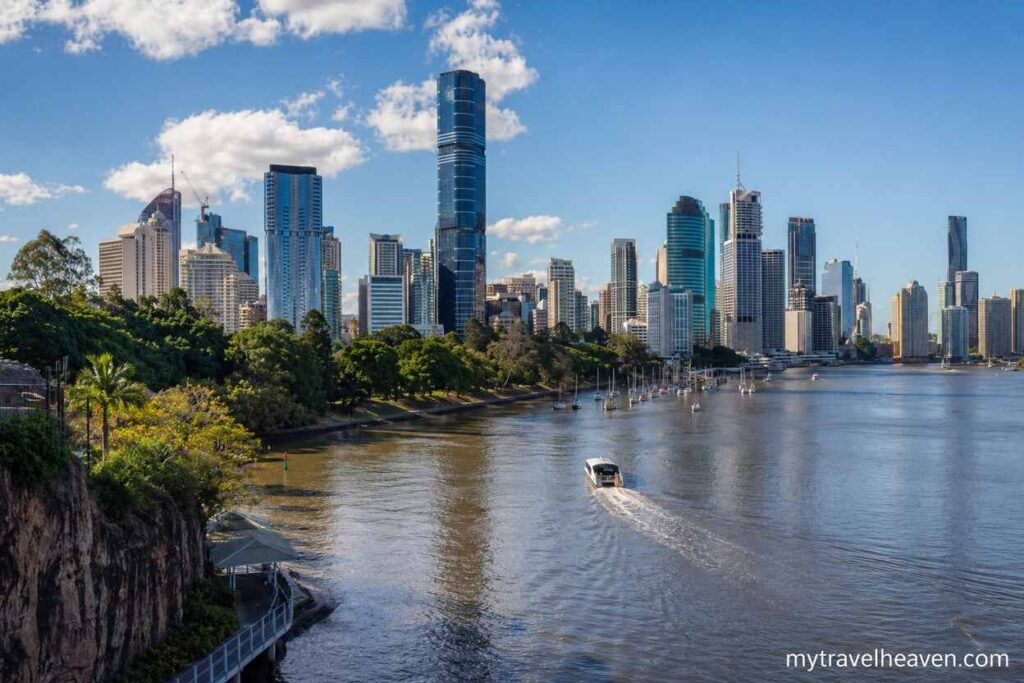
Brisbane introduces a more relaxed urban environment compared to Sydney. The South Bank precinct features parks, restaurants, and a man-made lagoon.
Cultural attractions include the Queensland Art Gallery and Gallery of Modern Art, showcasing both local and international works.
Use Brisbane as a base for day trips to nearby islands such as Moreton Island, known for snorkeling and sand dunes.
Relax in Noosa and the Sunshine Coast
Noosa offers a blend of upscale relaxation and natural beauty. Noosa National Park features coastal trails with opportunities to spot koalas.
The Sunshine Coast region includes towns like Mooloolaba and Caloundra, each providing beaches with different characteristics. Noosa Main Beach is ideal for swimming due to its calm waters.
This stop is ideal for slowing down, enjoying cafes, and experiencing boutique accommodations.
Visit the Whitsundays and Airlie Beach
Airlie Beach acts as the gateway to the Whitsunday Islands. From here, you can access Whitehaven Beach, known for its pure silica sand.
Boat tours, sailing trips, and snorkeling excursions dominate activities in this region. The proximity to the Great Barrier Reef makes it a key highlight.
Plan at least two to three days here to fully experience island excursions and marine life.
Explore Townsville and Magnetic Island
Townsville offers a mix of city amenities and natural attractions. A short ferry ride takes you to Magnetic Island, known for its wildlife and beaches.
Magnetic Island features walking tracks, snorkeling spots, and opportunities to see koalas in the wild. The island’s relaxed environment contrasts with mainland city life.
Townsville itself provides access to the Reef HQ Aquarium and The Strand waterfront.
Experience Cairns and the Great Barrier Reef
Cairns marks the final destination of your east coast road trip. It serves as the primary access point to the Great Barrier Reef.
Activities include snorkeling, scuba diving, and reef cruises. Inland, the Daintree Rainforest offers guided tours and unique biodiversity.
Allocate several days here to explore both marine and rainforest ecosystems, ensuring a well-rounded conclusion to your journey.
Budget Your Road Trip Expenses
Expense management is essential for maintaining a stress-free trip. Costs vary depending on travel style, accommodation choices, and activity preferences.
| Category | Budget Range (Per Day) | Notes |
|---|---|---|
| Accommodation | $30 – $200 | Hostels to hotels |
| Fuel | $20 – $60 | Depends on vehicle |
| Food | $15 – $70 | Self-cooking saves money |
| Activities | $0 – $150 | Tours and entry fees |
Planning ahead allows you to allocate funds for premium experiences like reef diving while saving on everyday expenses.
Prepare Essential Travel Documents and Apps
Having the correct documentation ensures a smooth journey. International travelers need a valid visa such as the Electronic Travel Authority.
Useful mobile applications include Google Maps for navigation and CamperMate for campsite discovery. These tools help locate fuel stations, accommodations, and attractions.
Offline maps and emergency contact information should also be prepared, especially for remote areas in Queensland.
Follow Safety and Driving Guidelines
Driving long distances in Australia requires awareness of road conditions and wildlife hazards. Kangaroos and other animals are more active at dawn and dusk.
Rest stops should be planned every two hours to avoid fatigue. Highways such as the Pacific Highway are well-maintained but can include long stretches without services.
Always check weather conditions and road closures, particularly in northern regions during the wet season.
Optimize Your Itinerary for Maximum Experience
Balancing travel time and exploration ensures a fulfilling road trip. Avoid overpacking your schedule, as long drives can be physically demanding.
Include buffer days to accommodate unexpected discoveries or weather changes. Flexible planning allows spontaneous stops at scenic viewpoints and local attractions.
A well-structured itinerary enhances enjoyment while reducing stress, ensuring each destination receives adequate attention.
Compare Key Stops Along the East Coast
| Destination | Key Highlights | Recommended Stay |
|---|---|---|
| Sydney | Opera House, beaches | 2–3 days |
| Byron Bay | Surf culture, lighthouse | 2 days |
| Gold Coast | Theme parks, nightlife | 2–3 days |
| Brisbane | Culture, riverside lifestyle | 2 days |
| Noosa | National park, beaches | 2 days |
| Airlie Beach | Whitsundays access | 3 days |
| Townsville | Magnetic Island | 1–2 days |
| Cairns | Reef and rainforest | 3–4 days |
Conclusion
An Australia east coast road trip delivers a diverse mix of urban exploration, coastal relaxation, and natural wonders. Starting in Sydney and ending in Cairns, the journey connects iconic destinations with hidden gems. Careful planning of route, timing, budget, and vehicle ensures a smooth experience, while flexibility allows deeper engagement with each location. By structuring your itinerary around key highlights and practical considerations, you create a travel experience that balances efficiency with discovery.
FAQs
1. How long does an east coast Australia road trip take?
A complete trip typically takes 2 to 4 weeks, depending on the number of stops and depth of exploration.
2. Is it better to drive or fly between destinations?
Driving offers flexibility and access to smaller towns, making it ideal for a comprehensive experience.
3. Do I need a special license to drive in Australia?
International travelers can use their home license if it is in English, otherwise an international driving permit is required.
4. What is the best starting point for the trip?
Sydney is the most popular starting point due to its accessibility and attractions.
5. Can I visit the Great Barrier Reef year-round?
Yes, but conditions are best between June and October for visibility and weather.
6. Are campervans suitable for beginners?
Yes, campervans are beginner-friendly and widely used, with many rental options and designated campsites available.
