


Travel does not have to drain your savings or force you to choose between comfort and affordability. With the right planning, booking habits, and spending decisions, you can reduce costs across every part of a trip, including airfare, lodging, meals, local transport, and activities. The real advantage of budget travel is not just spending less. It is gaining the freedom to travel more often, stay longer, and enjoy experiences that matter without constant money stress. This guide breaks down 20 practical tips that help you control travel costs before and during your trip while still getting strong value from every dollar.
| Travel Cost Area | Common Budget Mistake | Smarter Budget Move |
|---|---|---|
| Flights | Booking too late or on fixed dates | Compare dates and book when fares drop |
| Hotels | Choosing central areas without comparison | Stay slightly outside tourist zones |
| Food | Eating every meal in tourist districts | Mix restaurants with groceries and local spots |
| Transportation | Using taxis for every transfer | Use transit passes and walkable routes |
| Activities | Paying full price at the gate | Book bundled or off-peak tickets |
Set a Clear Trip Budget Before You Book Anything
Start by deciding the maximum amount you can spend on the whole trip, not just on flights or hotels. A full travel budget should include transport, accommodation, food, activities, insurance, baggage fees, airport transfers, phone data, and a small emergency reserve. When you know your full limit, every booking decision becomes easier.
Break the budget into categories and assign spending caps to each one. For example, you may decide that accommodation gets 35 percent, transportation gets 30 percent, food gets 20 percent, and activities get 15 percent. That structure helps you see whether one expensive choice will damage the rest of the trip.
This step gives the entire trip a realistic shape. Many travelers overspend because they focus on one low-cost item, such as a cheap flight, and ignore the total cost of the destination. A low airfare can still lead to a costly trip if hotels, meals, and transport are expensive.
Travel During the Off-Season or Shoulder Season

One of the fastest ways to cut travel costs is to avoid peak travel dates. Flights, hotels, attraction tickets, and even local transportation often cost more during school holidays, festivals, and summer high season. Traveling a few weeks earlier or later can reduce prices significantly.
Shoulder season often provides the best balance between price and experience. You usually get lower rates, shorter lines, and better availability while still enjoying decent weather and open attractions. This applies to beach destinations, city breaks, mountain regions, and popular cultural hubs.
Timing affects more than cost. A destination that feels crowded and overpriced in peak season may feel relaxed, walkable, and welcoming in a quieter month. Budget travel improves when demand drops, because your money buys more comfort and flexibility.
Compare Multiple Flight Dates Before You Commit
Flexible dates can save more money than hours of coupon hunting. Airfare changes based on day of the week, season, local events, and airline demand patterns. Searching only one departure date often hides better prices that are available a day earlier or later.
Use fare calendars and compare one-way combinations rather than only round-trip options. In many cases, mixing airlines or shifting departure times creates meaningful savings. Early morning or late-night flights are often cheaper because demand is lower.
The larger lesson is simple: price follows flexibility. Travelers who treat dates as fixed usually pay a premium. Travelers who compare nearby dates often unlock better routes, shorter layovers, or extra savings that can later cover meals or accommodations.
Book Flights Early, but Not Recklessly Early
Budget travel rewards planning, but booking too far in advance is not always the best move. Airlines release tickets at different pricing levels, and the cheapest fare may appear after the first listing period. At the same time, waiting too long usually reduces your options and raises prices.
A good approach is to monitor fares early, track routes, and book when the price fits your target budget rather than chasing a perfect discount. If your travel dates are fixed, it is usually safer to book once you find a reasonable rate than to gamble on a future drop.
This tip matters because airfare often shapes the rest of the budget. A well-timed booking gives you more room for better lodging, longer stays, or paid experiences. A poorly timed booking can push the entire trip into overspending.
Pack Light to Avoid Baggage Fees
Carrying less is one of the easiest ways to protect your travel budget. Many airlines charge for checked bags, overweight luggage, or even larger carry-ons. Those fees can quickly erase the savings from a low base fare.
Build a travel wardrobe around versatile clothing, repeat-use basics, and lightweight layers. Choose items that mix easily and fit the climate. Laundry access, even once during the trip, can reduce the number of clothes you need. Toiletries should be travel-sized and limited to essentials.
Packing light also saves time and improves mobility. You can skip baggage claim, move through public transport more easily, and avoid paying for taxis simply because your luggage is too heavy to manage on foot. Less baggage often leads to fewer costs overall.
Stay in Budget-Friendly Accommodation Options
Hotels are only one lodging category, and they are not always the best value. Hostels, guesthouses, apartment rentals, family-run inns, capsule stays, and budget hotels can provide lower prices with enough comfort for a short or medium-length trip.
The right choice depends on your travel style. A hostel dorm may work well for solo travelers, while a private room in a guesthouse may suit couples who want quiet and value. Apartment rentals become more cost-effective when you stay longer or want kitchen access.
Accommodation should match your priorities, not just your habits. If you mostly need a safe place to sleep and shower, paying for a large room with extra services may not be necessary. Budget travel improves when you spend on function instead of image.
Stay Slightly Outside Tourist Hotspots
Location affects hotel prices more than many travelers expect. Staying directly in the main tourist center often means paying a premium for convenience, scenery, or brand reputation. Moving a short distance away can lower nightly rates without making the trip difficult.
Look for neighborhoods that are connected by metro, bus, train, or walkable streets. A place that is 10 to 20 minutes from the center may cost much less while still keeping major sights within easy reach. The savings can add up quickly over several nights.
This choice also changes the quality of your experience. Non-tourist neighborhoods often have better grocery stores, more affordable restaurants, and a more local rhythm. You spend less, eat better, and see a side of the destination that many visitors miss.
Use Public Transportation Instead of Taxis
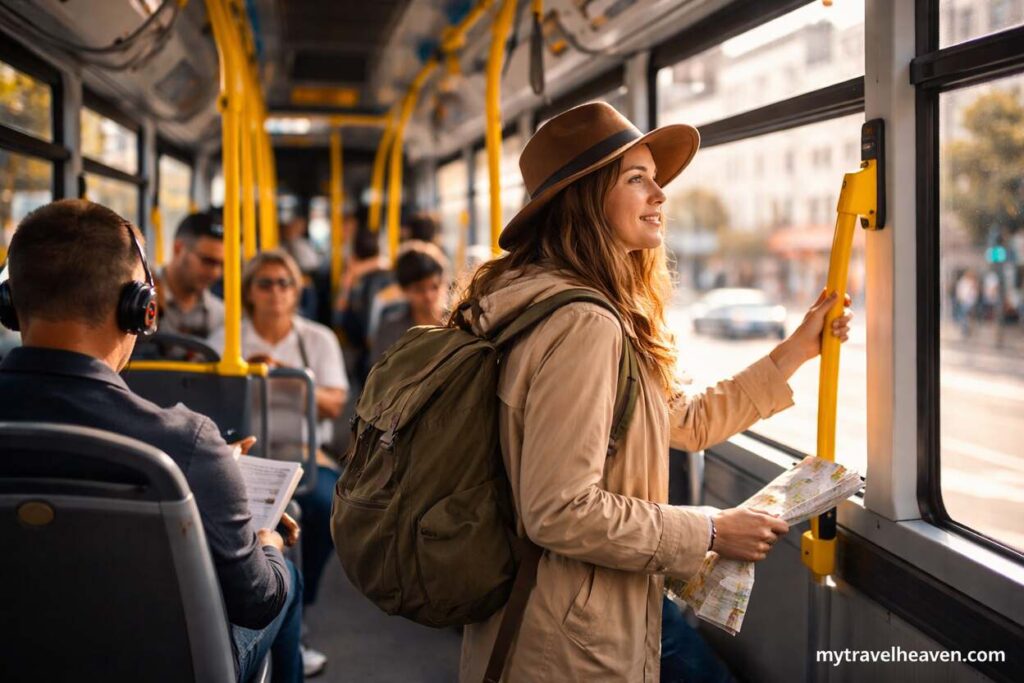
Local transport is one of the biggest hidden costs in travel. Frequent taxi rides, airport transfers, and ride-hailing trips may seem small individually, but together they can consume a large share of your budget. Public transportation is usually the cheaper alternative.
Research transit options before arrival. Many cities offer metro systems, buses, trams, local trains, or rechargeable cards that reduce per-trip costs. Airport rail connections are often far cheaper than taxi rides. Day passes and multi-day transit cards can also cut spending.
Public transportation does more than save money. It makes routes predictable, reduces dependence on surge pricing, and helps you move like a local. When your hotel, attractions, and transport lines are planned together, your trip becomes both cheaper and smoother.
Walk More and Plan Around Walkable Areas
Walking costs nothing, and it often improves the trip more than paid transport. Many cities reveal their best details through neighborhoods, side streets, markets, public squares, and waterfronts that you would miss from a taxi window.
Choose accommodation near transit hubs or within walking distance of several attractions. Group nearby sites on the same day so you do not cross the city multiple times. A simple route plan saves both money and energy.
Walking also reduces small spending triggers. Travelers who move slowly through an area tend to make fewer rushed purchases and fewer expensive last-minute transport decisions. A walkable trip is often a cheaper trip.
Eat Where Locals Eat
Food can either enrich your travel experience or quietly break your budget. Restaurants near major landmarks usually charge more because they sell convenience and location. A few streets away, local cafes, canteens, and neighborhood eateries often serve better food at lower prices.
Search for lunch specials, set menus, market stalls, and smaller family-run places. In many destinations, lunch is the best-value meal of the day. Street food can also be affordable and memorable when you choose busy, reputable vendors with good turnover.
This approach improves both cost and quality. Tourist menus often raise prices while lowering authenticity. Local dining gives you more flavor, stronger value, and a clearer sense of place without forcing you to overspend at every meal.
Buy Groceries for Breakfast and Snacks
Not every meal needs to come from a restaurant. Breakfast, coffee, bottled water, fruit, yogurt, sandwiches, and snacks are often far cheaper when bought from supermarkets, bakeries, or convenience stores. This is especially useful in expensive cities.
A grocery run on your first day can reduce daily spending immediately. Even a simple breakfast from a local shop may cost far less than a hotel buffet or cafe meal. Snacks also prevent impulse buying when you get hungry near tourist attractions.
This habit creates flexibility in the budget. By saving on simple meals, you can spend more deliberately on one special dinner, a local food tour, or a signature dish that is actually worth the money.
Book Accommodation With a Kitchen or Free Breakfast
Features matter when you travel on a budget. A room with kitchen access can lower food costs every day, especially on longer stays. A hotel or hostel with free breakfast can remove one entire meal from your daily budget.
Kitchen access lets you prepare simple meals such as pasta, eggs, rice, salads, or sandwiches. Even using the kitchen once a day can create real savings. Free breakfast becomes especially valuable in cities where morning meals are expensive.
The key is to calculate value, not just room price. A slightly higher nightly rate may still be the better deal if it includes breakfast, cooking facilities, laundry access, or airport shuttle service. Budget travel is about total value, not the cheapest sticker price.
Use Travel Rewards, Points, and Cashback Options
Loyalty programs can reduce costs when used carefully. Airline miles, hotel points, travel credit card rewards, and cashback offers can offset flights, room nights, baggage fees, or everyday travel purchases. Even casual travelers can benefit from basic programs.
Sign up for airline and hotel accounts before booking so you do not miss points on paid reservations. If you use a rewards card, pay attention to annual fees, redemption rules, and spending discipline. Rewards only help when they do not push you into debt or unnecessary purchases.
Over time, these tools can create meaningful savings. A free checked bag, airport lounge access, or discounted room night may not seem essential, but repeated use across several trips can lower your average travel cost considerably.
Bundle Major Expenses When the Math Works
Packages can sometimes offer strong value, especially when flights and hotels are booked together through trusted platforms. The same applies to rail passes, attraction bundles, and city tourism cards. The important point is to compare the total cost against booking each item separately.
Not every bundle saves money. Some simply combine standard prices and add marketing language. Check whether the package includes useful benefits such as breakfast, transfers, flexible cancellation, or discounted entry fees.
Bundling works best when it aligns with your actual plans. If you will use the included transport, attractions, or services, it can simplify booking and reduce overall cost. If not, separate bookings may remain the better option.
| Money-Saving Tool | Best Use Case | Main Benefit | Watch Out For |
|---|---|---|---|
| Flight alerts | Flexible travel dates | Lower airfare | Limited seats at low fares |
| Hostel or guesthouse | Solo or short stays | Lower nightly cost | Less privacy in dorms |
| Apartment rental | Longer stays | Kitchen and laundry access | Extra cleaning fees |
| Transit pass | City travel | Predictable daily cost | Not worth it for light use |
| Attraction bundle | Multi-site sightseeing | Lower ticket total | Unused entries reduce value |
Limit Paid Activities to the Best Ones
Trying to do everything is one of the fastest ways to overspend. Tours, museums, observation decks, day trips, and entertainment can stack up quickly. Budget travel improves when you choose a small number of high-value experiences instead of buying every ticket that appears popular.
Rank attractions by importance before the trip. Select the few that truly match your interests, then fill the rest of your schedule with free or low-cost experiences. Parks, historic districts, beaches, public viewpoints, self-guided walks, and local markets often provide excellent memories at little cost.
This approach creates a better pace. You save money, avoid attraction fatigue, and leave room for spontaneous discoveries. A packed itinerary may look efficient, but a selective one often feels richer and more affordable.
Look for Free Walking Tours, Museums, and Public Spaces

Many destinations offer free or donation-based experiences that provide real insight without requiring a large budget. Walking tours, free museum days, cultural centers, botanical gardens, public art, and historic neighborhoods can all add depth to a trip.
Check local calendars for open-access events, seasonal festivals, and community performances. Universities, churches, libraries, and city squares also host low-cost cultural experiences in many places. These options work particularly well on city breaks.
Free activities help stretch your budget without turning the trip into a compromise. They also create balance. When one part of the day is free, you have more room in the budget for a paid experience later that truly matters to you.
Avoid Currency Exchange Mistakes
Poor exchange habits can quietly raise the cost of a trip. Airport currency counters, hotel exchange desks, and dynamic currency conversion offers often provide weak rates or extra fees. The result is that you lose money before you even start spending.
Use a bank card with low foreign transaction fees when possible, and withdraw local currency from reputable ATMs only when needed. When a payment terminal asks whether you want to pay in your home currency or local currency, the local currency option is often better because it usually avoids an unfavorable conversion markup.
Small transaction losses add up across hotels, meals, transport, and shopping. Protecting your exchange rate is one of the least visible but most effective budget travel habits.
Travel With Refillable Essentials
Buying the same basics again and again during a trip can increase daily spending. Water, coffee, toiletries, and simple comfort items become expensive when purchased repeatedly in tourist areas. Packing reusable essentials helps control those costs.
A refillable water bottle, compact cutlery set, power bank, reusable shopping bag, and basic medicine kit can prevent many overpriced convenience purchases. These items are especially useful in airports, train stations, and crowded city centers where markup is common.
The financial benefit is steady rather than dramatic, but steady savings matter. Budget travel often succeeds through repeated small decisions that reduce waste and keep daily spending predictable.
Protect Your Trip With Flexible Booking Policies
Saving money is not only about low prices. It is also about avoiding losses when plans change. Flights, rooms, and tours with strict no-refund rules may seem cheaper at first, but they can become expensive if your schedule shifts.
Whenever possible, compare cancellation rules, date-change fees, and refund conditions before booking. Flexible bookings are especially useful when planning far ahead, traveling during uncertain weather periods, or coordinating with several people.
A small extra cost for flexibility can prevent much larger losses later. Smart budget travel includes risk control, not just bargain hunting.
Track Daily Spending During the Trip
Even the best budget plan can fail if you stop paying attention once the trip begins. Small purchases such as coffee, snacks, transit upgrades, and souvenir stops can gradually push you over budget without feeling serious in the moment.
Use a notes app, spreadsheet, or expense tracker to record what you spend each day. Compare your actual spending with your original budget categories. If one area is running high, adjust quickly by choosing cheaper meals or fewer paid activities the next day.
Tracking creates awareness, and awareness improves decisions. Travelers who monitor spending during the trip usually feel more in control and end with fewer financial regrets after returning home.
Leave Room for One or Two Meaningful Splurges
Budget travel should not feel like constant restriction. The goal is not to say no to everything. The goal is to spend intentionally. Choosing one or two special upgrades, such as a memorable dinner, scenic train ride, or cultural show, can make the trip feel rewarding without breaking the budget.
Plan these splurges in advance so they fit your overall spending limit. When you know exactly where you will spend more, it becomes easier to save in lower-priority areas such as breakfast, local transport, or souvenir shopping.
This final tip turns budget travel into smart travel. You save money where it does not matter much, then spend with confidence where the experience will stay with you long after the trip ends.
Conclusion
Budget travel works best when it combines planning, flexibility, and discipline. Cheap flights alone do not create an affordable trip, and low hotel rates do not guarantee good value. Real savings come from managing the full picture: timing, transport, accommodation, food, activities, and daily spending habits. These 20 practical tips help you reduce waste, avoid common money traps, and focus your budget on experiences that matter. When you travel with a clear plan and thoughtful choices, you do not just spend less. You travel better, longer, and with much more confidence.
FAQs
How much money should I save before traveling on a budget?
The amount depends on destination, trip length, and travel style, but you should cover all core categories plus an emergency reserve. A complete plan should include transport, lodging, food, activities, insurance, and backup funds.
Is budget travel only for solo travelers?
No. Solo travelers often have flexibility advantages, but couples, families, and groups can also save money through shared accommodation, grocery-based meals, and split transportation costs.
Are hostels the cheapest accommodation option in every destination?
Not always. In some places, guesthouses, budget hotels, apartment rentals, or family-run inns offer better value, especially for private rooms or longer stays.
How can I save money on food while still enjoying local cuisine?
Eat one main restaurant meal per day, preferably at lunch, and cover breakfast or snacks through groceries or bakeries. This keeps food costs down while still leaving room for meaningful local dining.
Should I exchange money before I leave home?
It can help to carry a small amount of local currency, but large exchanges at poor rates are usually not ideal. Cards with low foreign transaction fees and careful ATM use often provide better overall value.
Is it worth paying extra for flexible bookings?
In many cases, yes. Flexible bookings can protect your money if flights change, plans shift, or weather affects your schedule. A small added cost can prevent larger losses later.
