

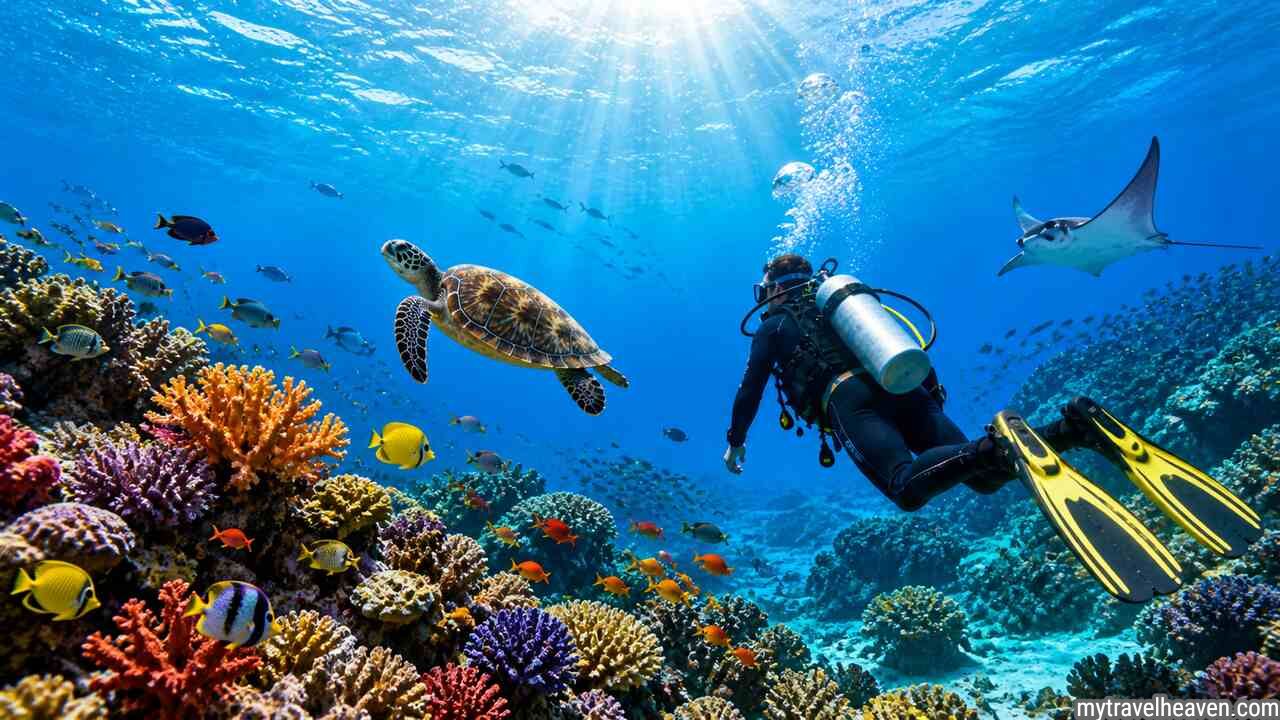
Scuba diving opens access to a hidden world where coral reefs, marine species, and geological formations create experiences that few other activities can match. Travelers who seek underwater exploration often prioritize destinations with biodiversity, water clarity, safety infrastructure, and seasonal accessibility. This guide presents the top scuba diving spots around the world, organized through actionable steps that help divers plan, choose, and experience these locations effectively.
Choose the Right Scuba Diving Destination Based on Marine Biodiversity
Selecting a destination begins with evaluating marine biodiversity, as it determines the richness of the diving experience. Locations such as Great Barrier Reef, Raja Ampat, Galápagos Islands, and Red Sea consistently rank among the most biologically diverse underwater ecosystems.
Each of these regions offers distinct marine encounters. The Great Barrier Reef features thousands of coral species and reef fish. Raja Ampat hosts the highest recorded marine biodiversity globally, including pygmy seahorses and manta rays. The Galápagos Islands attract pelagic species such as hammerhead sharks and whale sharks. The Red Sea delivers vibrant coral gardens combined with excellent visibility.
Marine biodiversity also influences dive difficulty and expectations. Beginners may prefer reef-based ecosystems with calm currents, while advanced divers seek drift dives and large pelagic encounters. Aligning biodiversity with skill level ensures both safety and satisfaction.
Evaluate Water Visibility and Diving Conditions
Water clarity directly affects underwater visibility, which determines how much of the environment a diver can observe. Destinations like the Maldives, Bonaire, Great Blue Hole, and Malta are known for exceptional visibility.
Visibility ranges typically vary from 20 meters to over 40 meters in these locations. The Maldives offers crystal-clear waters with strong currents that attract large marine species. Bonaire provides shore diving with consistently calm conditions. The Great Blue Hole combines geological wonder with deep diving challenges. Malta offers cave systems and wreck dives with remarkable clarity.
Environmental conditions such as currents, thermoclines, and seasonal weather patterns must also be considered. Calm waters suit beginners, while stronger currents require advanced certifications and experience.
Identify Unique Underwater Features and Dive Types
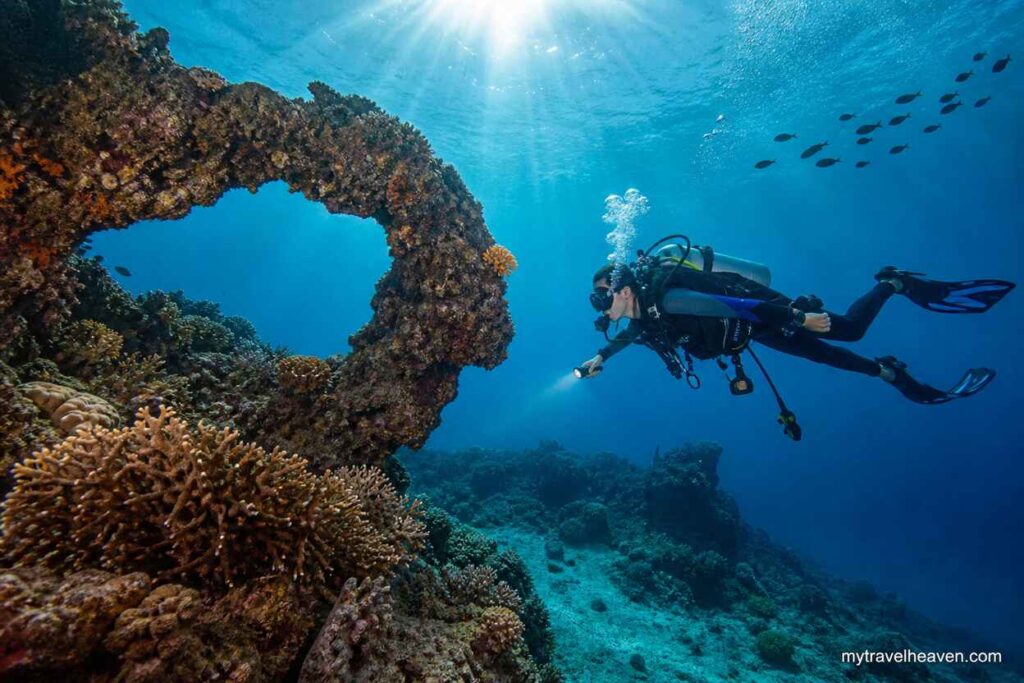
Divers often seek specific underwater features that define a destination’s uniqueness. Locations like SS Thistlegorm, Cenotes of Tulum, Sipadan Island, and Silfra Fissure provide specialized diving experiences.
Shipwreck diving in the Red Sea offers historical exploration with preserved wartime artifacts. Cenote diving in Mexico introduces freshwater cave systems with dramatic light beams and rock formations. Sipadan Island is known for turtle caverns and barracuda tornadoes. Silfra Fissure allows divers to swim between tectonic plates with unmatched visibility.
Different dive types require varying certifications. Wreck and cave diving demand advanced training, while reef diving remains accessible to beginners. Choosing a destination based on dive type ensures compatibility with certification level and personal interest.
Compare Top Scuba Diving Destinations by Key Attributes
| Destination | Location | Best Feature | Skill Level | Visibility Range |
|---|---|---|---|---|
| Great Barrier Reef | Australia | Coral diversity | Beginner to Advanced | 15–30 meters |
| Raja Ampat | Indonesia | Marine biodiversity | Intermediate to Advanced | 20–30 meters |
| Galápagos Islands | Ecuador | Large pelagic species | Advanced | 10–25 meters |
| Maldives | Indian Ocean | Manta rays and currents | Intermediate | 20–40 meters |
| Red Sea | Egypt | Coral reefs and wrecks | Beginner to Advanced | 20–40 meters |
| Bonaire | Caribbean | Shore diving | Beginner | 20–30 meters |
| Sipadan Island | Malaysia | Turtle population | Intermediate | 20–30 meters |
| Great Blue Hole | Belize | Geological formation | Advanced | 30–40 meters |
This comparison helps divers quickly assess which destinations align with their goals, experience level, and environmental preferences.
Plan Travel Logistics and Diving Seasons
Timing plays a critical role in scuba diving success. Each destination has optimal seasons that maximize visibility, marine activity, and safety. For example, the Maldives offers the best manta ray encounters between May and November, while Raja Ampat provides year-round diving with peak conditions from October to April.
Travel logistics include visa requirements, flight accessibility, and proximity to dive sites. Remote destinations such as the Galápagos Islands require more planning and higher budgets, while locations like Egypt’s Red Sea are more accessible and cost-effective.
Seasonal variations also affect marine life behavior. Migration patterns, breeding seasons, and plankton blooms influence what divers can see underwater. Planning around these factors enhances the overall experience.
Assess Diving Infrastructure and Safety Standards
Reliable diving infrastructure ensures safety and convenience. Destinations such as the Maldives, Bonaire, and the Red Sea offer well-established dive centers, certified instructors, and emergency medical facilities.
Dive operators typically follow standards set by organizations like PADI and SSI. These certifications guarantee proper training, equipment maintenance, and adherence to safety protocols.
Emergency preparedness includes access to decompression chambers, trained staff, and evacuation procedures. Divers should always verify these elements before booking trips, especially in remote locations.
Select Accommodation and Dive Packages
Accommodation options range from luxury resorts to liveaboard vessels. The Maldives and Raja Ampat are known for high-end dive resorts, while liveaboards in the Galápagos and Red Sea provide access to remote dive sites.
Dive packages often include equipment rental, guided dives, meals, and transportation. Choosing the right package depends on budget, experience level, and desired convenience.
Liveaboards offer intensive diving schedules with multiple dives per day, making them ideal for experienced divers. Resorts provide a more relaxed pace with additional amenities.
Prepare Equipment and Certifications
Proper preparation ensures a smooth diving experience. Divers must carry essential certifications such as Open Water or Advanced Open Water, depending on the destination requirements.
Equipment preparation includes checking regulators, buoyancy control devices, wetsuits, and dive computers. Some destinations require specialized gear such as dry suits in colder waters like Iceland.
Renting equipment is an option, but experienced divers often prefer personal gear for comfort and familiarity. Documentation, including logbooks and medical clearance, may also be required.
Understand Marine Conservation and Responsible Diving
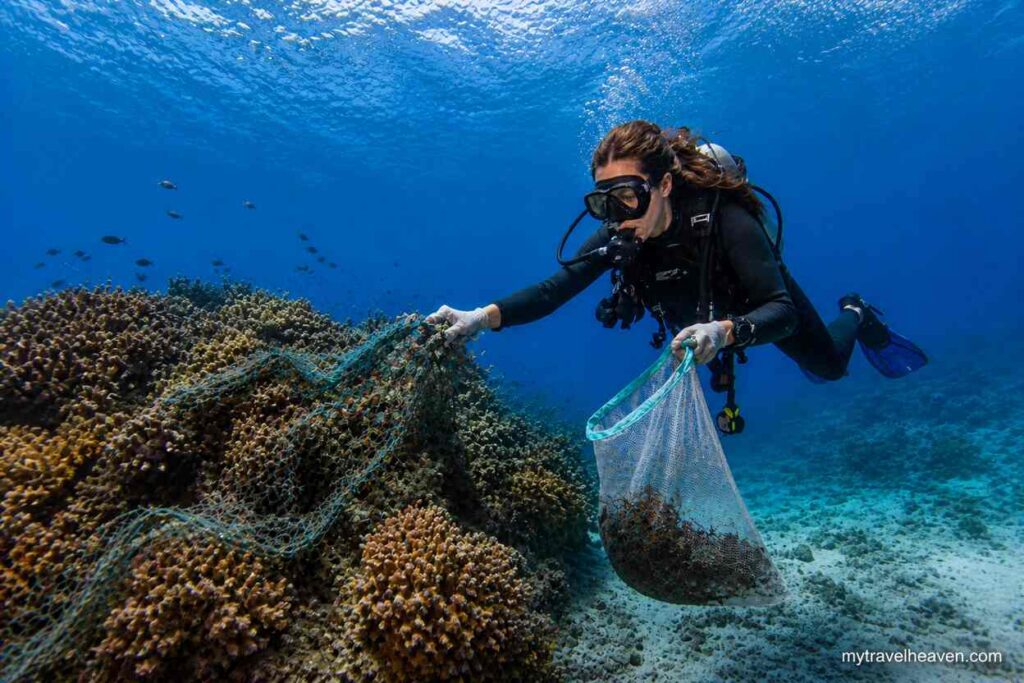
Sustainable diving practices protect marine ecosystems and ensure long-term accessibility. Locations like the Great Barrier Reef and Raja Ampat emphasize conservation due to environmental sensitivity.
Divers should avoid touching coral, maintain buoyancy control, and respect marine life. Many destinations enforce regulations to prevent damage, including restricted zones and guided-only dives.
Participation in eco-friendly programs and reef conservation initiatives contributes to preserving biodiversity. Responsible diving enhances both environmental protection and personal experience.
Compare Costs and Budget Requirements
| Destination | Average Daily Cost | Accommodation Type | Dive Cost per Dive |
|---|---|---|---|
| Maldives | High | Luxury Resort | $50–$100 |
| Raja Ampat | High | Resort/Liveaboard | $60–$120 |
| Red Sea | Moderate | Resort/Boat | $30–$70 |
| Bonaire | Moderate | Hotel/Villa | $25–$50 |
| Galápagos | Very High | Liveaboard | $150–$300 |
Budget planning helps avoid unexpected expenses. Costs vary significantly based on location, accommodation, and dive frequency.
Travelers should also consider additional expenses such as permits, equipment rental, and insurance. Comprehensive planning ensures financial readiness.
