

Introduction
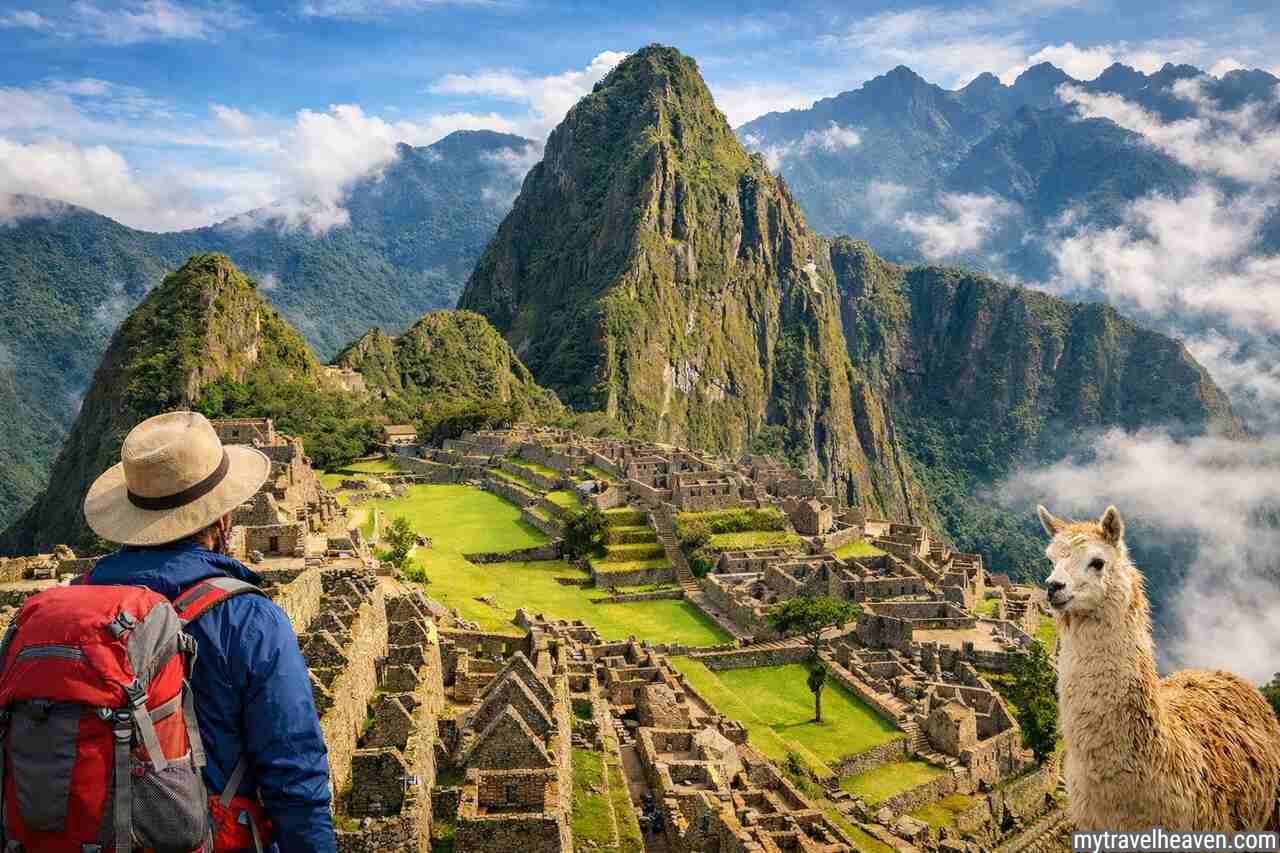
Visiting Machu Picchu is one of the most unforgettable travel experiences in the world. Nestled high in the Andes Mountains of Peru, this ancient Inca citadel combines breathtaking landscapes, rich cultural heritage, and architectural brilliance. Whether you are a history enthusiast, adventure traveler, or casual tourist, planning your journey properly ensures you maximize every moment at this UNESCO World Heritage Site. This guide walks you through each step, from booking tickets to navigating routes and understanding local logistics, so your trip is smooth, efficient, and deeply rewarding.
Plan Your Travel Dates and Seasonal Timing
Selecting the right time to visit Machu Picchu directly impacts your experience, including weather conditions, crowd density, and visibility of the ruins. The dry season, which runs from May to September, offers clear skies and optimal trekking conditions, making it the most popular period.
Weather conditions vary significantly between seasons. The rainy season from November to March brings lush greenery and fewer tourists, but trails can become slippery and visibility may be limited due to fog. Shoulder months like April and October balance weather and crowd levels effectively.
Seasonal planning also affects ticket availability and accommodation prices in Cusco and Aguas Calientes. Booking months in advance during peak periods ensures access to preferred circuits and entry times.
Secure Entry Tickets and Permits in Advance
Obtaining official entry tickets is mandatory, and availability is limited due to conservation policies. Tickets must be purchased through authorized channels or government websites linked to Machu Picchu.
Different ticket types correspond to specific circuits within the site. Options include general entry, Huayna Picchu access, and Machu Picchu Mountain hikes. Each ticket grants access to designated routes, and switching routes after entry is not permitted.
Visitor caps ensure preservation of the site, so early booking is essential. Travelers planning to hike Huayna Picchu or Machu Picchu Mountain should secure permits at least two to three months ahead.
Choose Your Route to Reach Machu Picchu
Travelers can reach Machu Picchu through multiple routes, each offering a unique experience. The classic Inca Trail is the most iconic, combining trekking with historical immersion.
Alternative routes such as the Salkantay Trek and Lares Trek provide less crowded but equally scenic journeys. These options appeal to travelers seeking adventure without strict permit limitations.
For those preferring comfort, train services operated by PeruRail and Inca Rail connect Cusco and Aguas Calientes, followed by a short bus ride to the entrance.
Route Comparison Table
| Route Type | Duration | Difficulty | Experience Type |
|---|---|---|---|
| Inca Trail | 4 days | Moderate | Historical + Trekking |
| Salkantay Trek | 4–5 days | Challenging | Adventure + Nature |
| Train Route | 1 day | Easy | Scenic + Comfortable |
| Lares Trek | 3–4 days | Moderate | Cultural + Rural |
Arrange Transportation to Cusco and Aguas Calientes
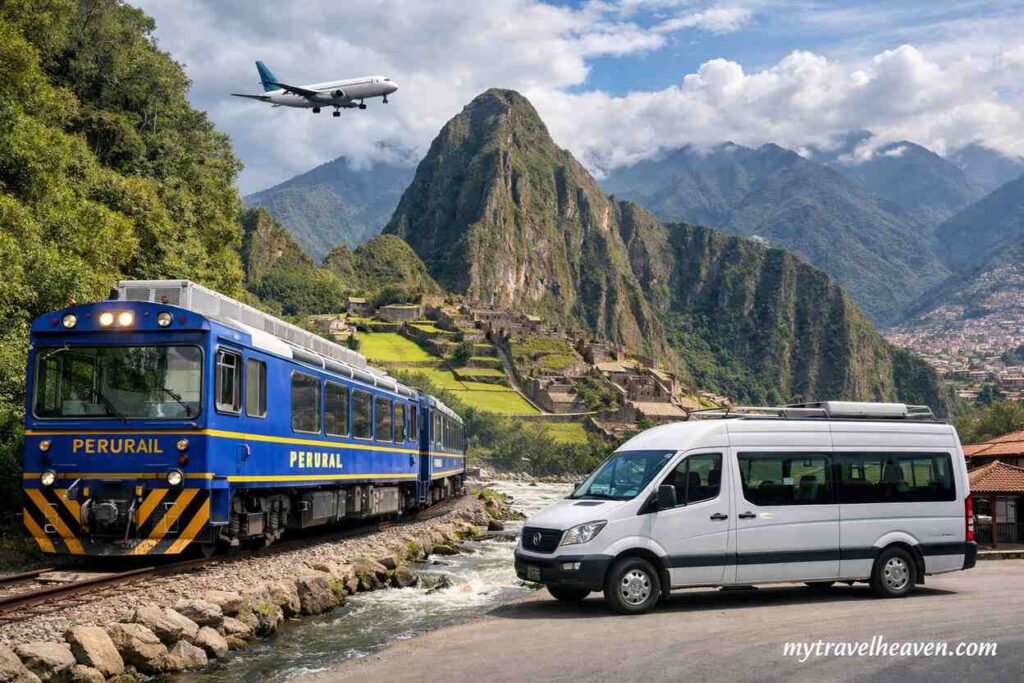
Travel to Machu Picchu typically begins in Cusco, the historical capital of the Inca Empire. Flights arrive at Alejandro Velasco Astete International Airport, connecting major cities like Lima.
From Cusco, travelers can take a train from Poroy or Ollantaytambo stations to Aguas Calientes. Ollantaytambo is often preferred due to shorter travel times and better train frequency.
Upon reaching Aguas Calientes, buses transport visitors up a winding mountain road to the Machu Picchu entrance. Walking this route is possible but physically demanding.
Select Accommodation Based on Travel Style
Accommodation choices range from luxury hotels to budget hostels, depending on your travel preferences and itinerary. Staying in Aguas Calientes allows early access to Machu Picchu, which is ideal for sunrise visits.
Cusco offers a broader range of accommodations, including boutique hotels and historical stays. Many travelers choose to acclimatize here before heading to Machu Picchu due to the altitude.
The Sacred Valley region provides a balanced option, offering scenic surroundings and easier altitude adjustment while remaining close to train stations.
Pack Essential Gear for Your Visit
Packing appropriately ensures comfort and safety throughout your journey. Lightweight clothing, sturdy hiking shoes, and rain protection are essential regardless of season.
Travelers should carry essentials such as water, sunscreen, insect repellent, and valid identification matching ticket details. Large backpacks are restricted, so compact packing is necessary.
Altitude-related items, including coca leaves or medication, help manage symptoms when transitioning through high elevations in Cusco and surrounding areas.
Navigate Machu Picchu Circuits Efficiently
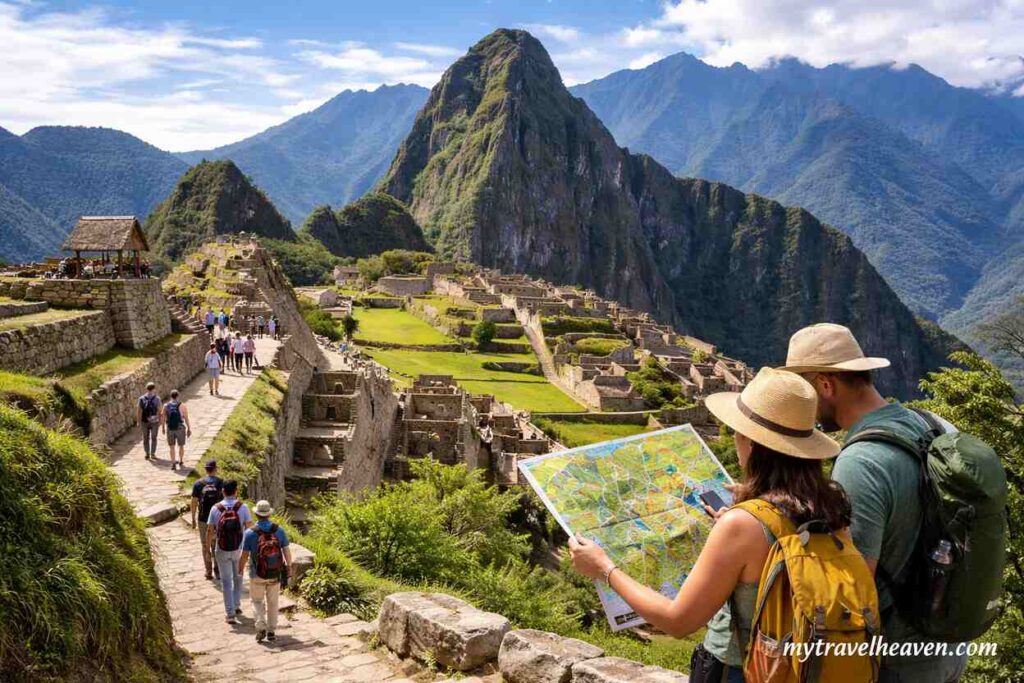
Understanding circuit layouts enhances your exploration of Machu Picchu. Each circuit is designed to control visitor flow while showcasing different perspectives of the ruins.
Popular highlights include the Temple of the Sun, Intihuatana stone, and agricultural terraces. Circuit selection determines which landmarks you can access during your visit.
Guided tours provide historical insights into Inca engineering, astronomy, and cultural practices, enriching the overall experience.
Follow Cultural and Conservation Guidelines
Preserving Machu Picchu requires adherence to strict regulations. Visitors must follow marked paths, avoid touching structures, and refrain from bringing prohibited items such as tripods or drones.
Sustainable tourism practices protect the site for future generations. Respect for local customs and environmental awareness contributes to responsible travel.
Authorities enforce time-slot entries and circuit restrictions to manage crowd impact and maintain structural integrity.
Budget Your Trip and Manage Costs
Travel costs vary based on route, accommodation, and booking time. Budget travelers can minimize expenses by choosing train options and hostels, while luxury travelers may opt for premium trains and high-end hotels.
Major cost components include entrance tickets, transportation, accommodation, and guided tours. Early booking often reduces expenses and ensures availability.
Estimated Cost Breakdown
| Expense Category | Budget Range (USD) | Luxury Range (USD) |
|---|---|---|
| Entry Ticket | 40–80 | 80–150 |
| Train Travel | 60–150 | 200–500 |
| Accommodation | 20–80 | 200–1000 |
| Guided Tours | 20–50 | 100–300 |
Capture the Best Views and Photography Spots
Photography opportunities at Machu Picchu are abundant, but timing and positioning make a significant difference. Early morning visits offer soft lighting and fewer crowds.
Key viewpoints include the Guardhouse, Sun Gate, and Huayna Picchu summit. Each location provides distinct perspectives of the citadel and surrounding mountains.
Weather conditions can change rapidly, so patience and flexibility improve your chances of capturing iconic shots.
Conclusion
Visiting Machu Picchu is a carefully orchestrated journey that blends planning, cultural appreciation, and adventure. From selecting the right season and securing tickets to choosing routes and accommodations, each step shapes your experience. By preparing thoroughly and respecting conservation guidelines, you ensure not only a seamless trip but also contribute to preserving one of the world’s most remarkable historical sites. With the right approach, Machu Picchu becomes more than a destination. It transforms into a meaningful exploration of history, nature, and human ingenuity.
FAQs
How far in advance should I book Machu Picchu tickets?
Booking at least 2–3 months in advance is recommended, especially for peak season or Huayna Picchu access.
Is it better to stay in Cusco or Aguas Calientes?
Cusco is ideal for acclimatization, while Aguas Calientes allows early access to Machu Picchu.
Can I visit Machu Picchu without a guide?
Yes, but hiring a guide enhances your understanding of the site’s history and significance.
What is the easiest way to reach Machu Picchu?
The train route from Cusco or Ollantaytambo to Aguas Calientes is the easiest and most comfortable option.
Are there altitude sickness concerns?
Yes, especially in Cusco. Acclimatization and hydration help reduce symptoms.
Which circuit is best for first-time visitors?
General entry circuits covering main landmarks offer the best introduction for first-time travelers.
