


Backpacking through Southeast Asia remains one of the most rewarding long-term trips because the region combines low daily costs, strong hostel infrastructure, rich food cultures, island and mountain landscapes, and easy country-to-country movement. Mainland routes across Thailand, Laos, Vietnam, and Cambodia tend to work best in the cooler, drier months from roughly November to April, while Indonesia is often drier from about April to October, so timing matters as much as destination choice.
This guide is built to help you turn a vague dream into a practical plan. You will find route ideas, budgeting ranges, visa starting points, transport tactics, packing advice, hostel strategy, safety habits, and pacing tips that fit both first-time backpackers and travelers trying to stretch a long trip without burning out. Because entry rules and health notices can change, the smartest approach is to use this guide for structure and then confirm details on official country portals before you book.
Choose the Right Route for Your Time and Budget
The best Southeast Asia backpacking route is the one that matches your season, not just your wishlist. If you are traveling between November and April, a mainland loop through Thailand, Laos, Vietnam, and Cambodia usually gives you the smoothest weather window. If you are going between April and October, Indonesia often becomes the stronger focus, and parts of Malaysia can still work well depending on the coast you choose.
For a one-month trip, stay focused. A classic route is Bangkok, northern Thailand, Laos or Cambodia, then Vietnam. For two months, add both Cambodia and Vietnam or extend south into Malaysia and Singapore. For three months or more, you can combine a mainland section with an island section in Indonesia or the Philippines. Budget sources aimed at backpackers still place a frugal regional average around the mid-$30s per day, though cheaper mainland stretches and pricier island-heavy stretches can move that number up or down.
The biggest mistake is trying to “do everything.” Southeast Asia is better when you travel in clusters. Keep Thailand-Laos-Cambodia-Vietnam as one logical block, Malaysia-Singapore as another, and Indonesia or the Philippines as separate island blocks. That approach reduces flight costs, saves visa hassle, and gives you enough time to enjoy places instead of only transiting through them. Route planners like Rome2Rio are useful because they compare flights, ferries, buses, and trains in one place before you commit.
Set a Daily Budget That Keeps You Traveling Longer
A realistic backpacker budget usually starts with three levels. A tight budget often works around $25 to $35 per day in cheaper countries when you stay in dorms, eat local food, use buses, and limit tours. A more comfortable backpacker pace often lands around $35 to $50 per day, especially if you want private rooms occasionally, better coffee, a few paid activities, or faster transport. Singapore is far more expensive than most of the region, while Laos and some parts of Cambodia and Vietnam can be among the cheaper stops.
Your biggest cost drivers are transport style, nightlife, and tours. Dorm beds in Southeast Asia are still commonly low by global standards, with many hostels in the roughly $5 to $15 range. Food can stay very affordable when you rely on local markets and small restaurants, but costs rise fast when you choose imported food, coworking cafés every day, or frequent drinking. Long ferries, domestic flights, and organized excursions can double an otherwise cheap week.
The smartest move is to budget by region instead of by country label alone. Northern Thailand, inland Vietnam, and Laos can feel very affordable. Island chains, diving hubs, and Singapore require more breathing room. Build your budget with a “base cost” for sleep, food, and local transport, then a separate “experience fund” for diving, trekking, national parks, motorbike loops, and splurge nights. That keeps your core travel sustainable even when you add memorable activities.
| Travel style | Approximate daily range | Usually includes |
|---|---|---|
| Tight backpacker | $25 to $35 | Dorm bed, street food, buses, low-cost activities |
| Comfortable backpacker | $35 to $50 | Better hostels, some private rooms, cafés, occasional tours |
| Flexible mid-range backpacker | $50 to $80+ | Frequent private rooms, flights, organized activities, nightlife |
These ranges are practical trip-planning estimates drawn from recent backpacker budget sources and regional price comparisons, not fixed guarantees.
Check Visa Rules Before You Lock In Flights
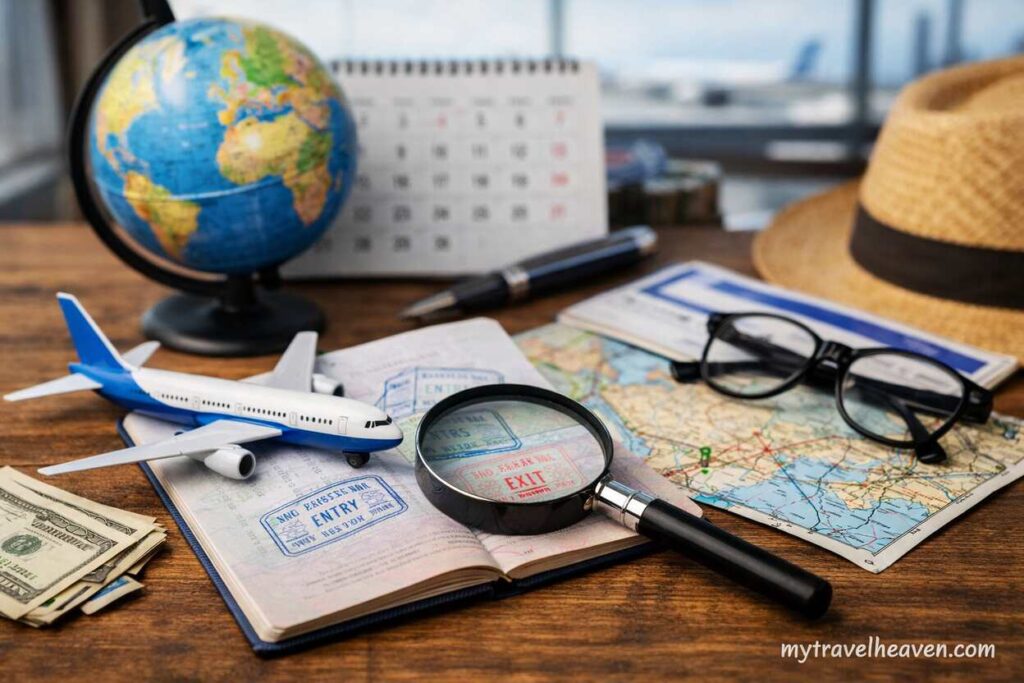
Visa planning should happen before you buy any nonrefundable flight. Thailand currently lists visa exemption for many nationalities, Vietnam runs an official e-visa system with visas valid up to 90 days, Cambodia offers an official e-visa, Indonesia provides official online visa options including tourist pathways, and the Philippines publishes official visa-free entry information for eligible travelers. These systems make multi-country travel easier, but nationality rules differ, permitted entry points differ, and policy changes do happen.
When you review entry requirements, pay attention to four things first: passport validity, onward travel requirements, entry port restrictions for e-visas, and allowed length of stay. Vietnam’s portal states that the e-visa can be valid up to 90 days and supports single or multiple entry, while Cambodia’s official e-visa site lists single entry, three-month validity, and one-month stay. Indonesia’s official visa information also highlights passport validity and online application requirements.
Treat every visa rule as time-sensitive. Even when backpacker forums sound confident, official immigration pages are the only safe final check. Save screenshots of approvals, keep printed copies where possible, and do not assume that an overland crossing follows the same rule set as a major airport. That one habit prevents some of the most expensive travel mistakes in the region.
Build a Transport Plan Around Distance, Not Just Price
The cheapest ticket is not always the best move. In Southeast Asia, the right transport choice depends on route length, border complexity, island geography, and how much energy you want to spend. Overnight buses can save a hostel night but cost sleep. Budget flights can be excellent for crossing big gaps such as Bangkok to Hanoi or Kuala Lumpur to Bali. Ferries are essential in Indonesia, the Thai islands, and the Philippines, where water crossings shape the whole trip.
A strong system is to use slow transport for scenic or short segments and flights for major jumps. Buses and trains work well on many mainland routes. Ferries are practical for island chains. Flights become smarter when an overland route would take an entire day or more. During trip planning, compare at least three options for every major move: cheapest, fastest, and least stressful. Tools that aggregate buses, ferries, trains, and flights make that comparison much easier.
Leave buffer days around border crossings, storms, and holiday weekends. Weather and sea conditions can disrupt ferries, and transport delays are common enough that same-day international connections are rarely worth the risk. A one-night cushion in gateway cities can save an entire trip from turning chaotic. That is especially true when you are moving from an island segment to an international flight.
Pick Hostels and Guesthouses That Improve the Trip
Good accommodation does more than give you a bed. In Southeast Asia, the right hostel can cut transport costs, help you join tours, connect you with travel partners, and keep you in neighborhoods where food and buses are easy. The region’s hostel market remains one of the biggest reasons backpacking here is accessible, with large inventory across hundreds of cities and generally affordable dorm pricing compared with many other parts of the world.
Choose hostels based on function, not only rating. For big cities, stay near train stations, ferry piers, or walkable food areas. For islands, prioritize reliable air conditioning, secure lockers, and clear transfer help. For work-and-travel days, look for strong Wi-Fi and quiet common areas. For social stretches, look for small group activities instead of all-night party branding unless nightlife is your goal. Hostel cost savings are real, but the value is highest when the location and vibe fit your travel phase.
Use private rooms strategically. After a long overnight bus, a two-night private room can reset your sleep, let you reorganize, and prevent burnout without destroying the whole budget. Many long-term travelers stay mostly in dorms, then schedule occasional private-room recovery in slower towns. That pattern often delivers a better trip than trying to maximize every dollar every day.
Pack Light and Prepare for Heat, Rain, and Motion
The best backpacking setup is lighter than most first-timers expect. Hot weather, humidity, ferry transfers, rough sidewalks, hostel stairs, and budget airline baggage limits all punish overpacking. A compact bag, breathable clothes, sandals plus one closed-toe pair, a light rain layer, and quick-dry essentials will usually serve you better than a large trekking pack stuffed with “just in case” items. Seasonal rain patterns also mean you should plan for sudden showers even in otherwise favorable months.
Your core packing list should cover climate, logistics, and health. Bring a power bank, padlock, refillable bottle where safe water access allows, packing cubes, lightweight towel, basic medication kit, and digital plus paper backups of your passport and approvals. If you are heading into Indonesia or ferry-heavy routes, waterproof organization matters more than extra clothing. If you are crossing several countries, laundry access will be frequent enough that you do not need many outfits.
The most useful packing rule is simple: pack for one week, not for the whole journey. Southeast Asia has laundries, markets, pharmacies, and transport hubs almost everywhere backpackers tend to go. The traveler with the lighter bag usually moves faster, spends less on baggage, and says yes to more opportunities.
Eat Street Food Carefully and Protect Your Health
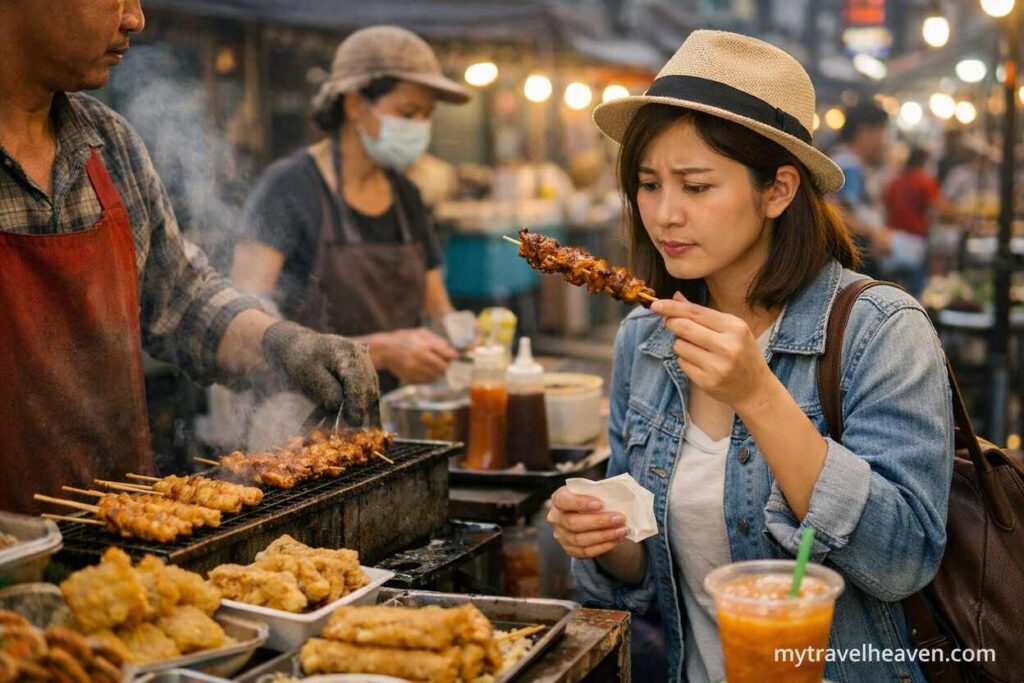
Street food is one of the main reasons to travel through Southeast Asia, and you do not need to avoid it to stay healthy. The safer strategy is to eat where turnover is high, food is cooked hot, and preparation looks organized. CDC guidance stresses food and water caution, including avoiding unsafe tap water, being careful with ice when water safety is uncertain, and using good hand hygiene before eating.
Build a simple health routine before the trip starts. Check country-specific travel health notices, review vaccine guidance with a clinician, carry oral rehydration support and stomach basics, and know your travel insurance terms. The CDC maintains travel notices for outbreaks, disasters, and other evolving risks, which matters because health conditions can shift faster than destination guides update.
Once you are on the road, prevention beats treatment. Wash hands often, prioritize busy vendors, peel fruit when needed, rest when you are run down, and do not ignore dehydration after long bus rides or island days. Getting sick for two days can erase the money you thought you saved by pushing too hard. Sustainable travel pace is a health decision as much as a scheduling one.
Balance Cities, Nature, Islands, and Heritage Stops
The strongest Southeast Asia itineraries mix different kinds of places. Bangkok, Ho Chi Minh City, Kuala Lumpur, and Singapore give you transport hubs, food range, and urban energy. Northern Thailand and Laos add mountain rhythm and slower riverside towns. Vietnam gives you coastlines, major cities, and long-distance overland variety. Cambodia brings temple landscapes and modern history. Indonesia and the Philippines add island-focused travel where ferries, beaches, volcanoes, and diving shape the pace. UNESCO and regional heritage programs also highlight how dense the region is with important cultural sites and living traditions.
A useful ratio is to pair every intense city block with a recovery block. After three or four urban days, move to a smaller town, island, or mountain base. After a temple-heavy stop, choose a place where the main activity is simply being there. This rhythm gives your budget room to breathe and keeps the trip from blending into one long sequence of buses, check-ins, and tourist sites.
Do not treat every location the same. Some places deserve movement, others deserve stillness. Singapore may be a short, efficient stop for many budget travelers because of cost. Chiang Mai, Luang Prabang, Hoi An, or Ubud often reward a longer stay because they offer easy routines, social traveler networks, and day-trip options without constant repacking. That balance is one of the secrets behind a trip that feels rich rather than rushed.
Travel Responsibly and Keep the Region Worth Visiting
Responsible backpacking is not only about ethics. It also improves your trip. Choosing locally run guesthouses, small food stalls, independent guides, and community-based experiences usually creates better conversations and keeps more money in the places you visit. UNESCO’s work across Southeast Asia repeatedly links tourism with local heritage protection, cultural continuity, and sustainable development rather than simple visitor volume.
That principle matters on islands, in old towns, and around major heritage sites. Use reef-safe habits where relevant, reduce single-use plastic, carry out trash when systems are weak, dress appropriately at temples, and avoid tours that treat local communities as props. Budget travel does not excuse careless behavior. In many places, the backpacker trail only remains enjoyable when travelers respect the people and environments sustaining it.
You also protect your own experience when you slow down and spend with intention. A cheap trip that damages places or burns through local goodwill is not a successful trip. The better model is value over volume: fewer rushed stops, more meaningful days, and spending that supports the places you came to see.
Pace the Journey So You Do Not Burn Out
The final skill in Southeast Asia backpacking is pacing. The region is affordable enough that many travelers keep extending, but long-term travel has its own fatigue. Heat, noise, night buses, social turnover, planning decisions, and visa deadlines can wear you down even when the trip looks perfect online. The cure is not spending more. The cure is building recovery into the plan.
Schedule zero days. Stay three nights instead of one when a place feels easy. Use private rooms after tough transport stretches. Do your visa paperwork and budget review on calm days rather than in transit. Keep one city as an admin base when needed. Backpacking gets dramatically easier when you stop treating movement as the default.
A great Southeast Asia trip rarely comes from seeing the most places. It comes from keeping enough energy to enjoy the places you choose. The traveler who finishes wanting more usually planned well. The traveler who finishes exhausted usually moved too fast. Pace is not a compromise. In this region, pace is the advantage.
Conclusion
A complete backpacking guide through Southeast Asia is really a guide to making good trade-offs. Choose a route that fits the season. Set a budget that matches your travel style. Check visa rules before paying for flights. Use transport strategically. Pick hostels for location and purpose, not only price. Pack light, protect your health, and balance city energy with slower stops. Do those things well, and Southeast Asia becomes more than a cheap trip. It becomes a long, flexible, deeply memorable journey that can stretch far beyond the first plan.
FAQs
How much money do I need for backpacking Southeast Asia?
A frugal backpacker often plans around $25 to $35 per day, while a more comfortable backpacker budget often lands around $35 to $50 per day. Singapore and island-heavy routes can push costs higher.
What is the best time to backpack Southeast Asia?
For much of mainland Southeast Asia, November to April is commonly the easier weather window. Indonesia is often drier from about April to October, so the best season depends on your route.
Do I need visas for every country in Southeast Asia?
Not always. Requirements depend on your passport and destination. Thailand, Vietnam, Cambodia, Indonesia, and the Philippines all publish official entry information online, and those rules can change, so always verify on government portals.
Is Southeast Asia safe for first-time backpackers?
It can be very manageable for first-time backpackers because of strong tourist infrastructure, hostel networks, and established routes, but health notices, border rules, and local safety conditions still need attention. Review official travel health updates and use normal city and transport precautions.
Should I book everything in advance?
Usually no. It is smarter to book your first few nights, any key visa-related flights, and transport during busy holiday periods, then keep the rest flexible. Flexibility helps you adapt to weather, people you meet, and places you decide to stay longer.
Which countries are best for a first Southeast Asia backpacking trip?
Thailand is often the easiest starting point because of transport links and backpacker infrastructure. Vietnam, Cambodia, Laos, Malaysia, and Indonesia all work well once you match them to your season and route length.
Read Next: Best Places to Visit in the World: Iconic Cities, Natural Wonders
