

Introduction
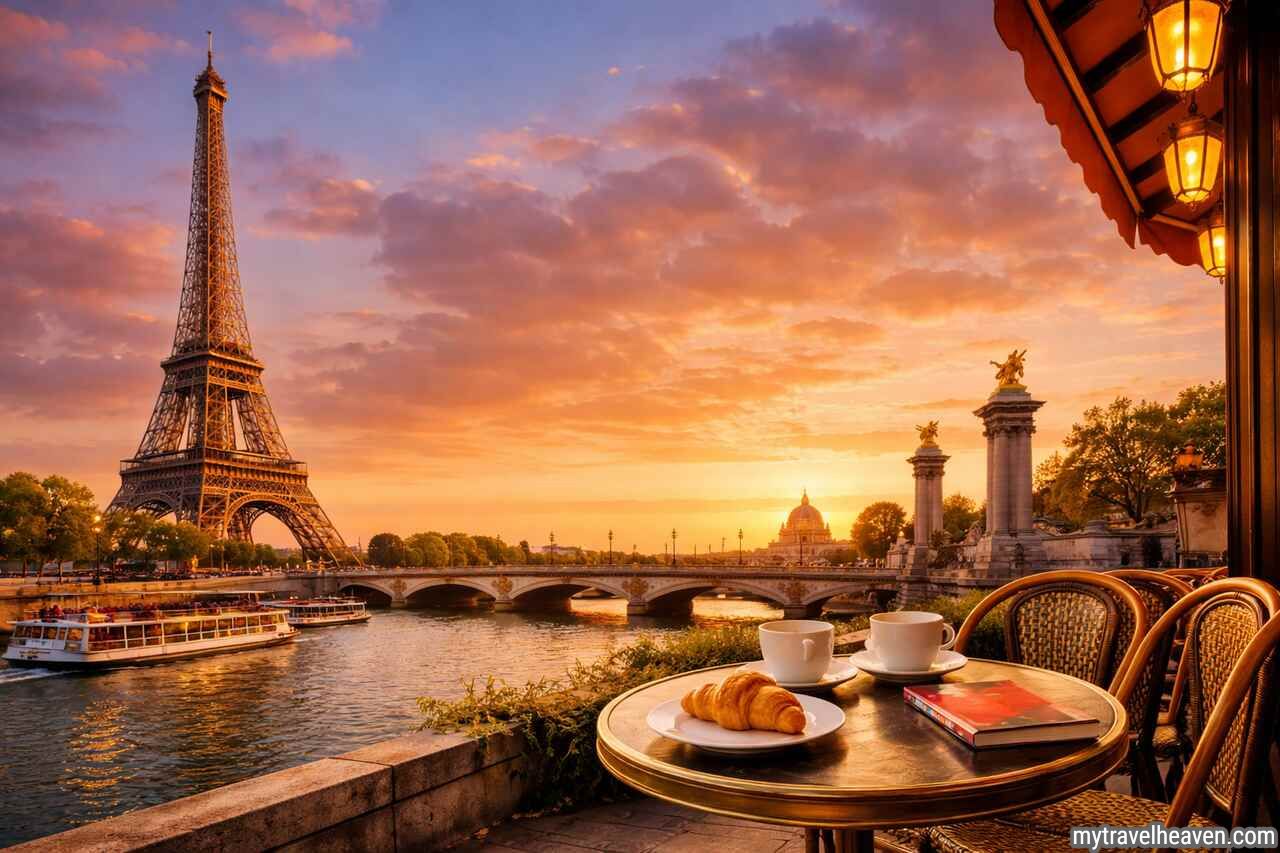
Paris stands as one of the most visited cities in the world, attracting millions of travelers each year with its blend of history, culture, cuisine, and iconic landmarks. For first-time visitors, planning a trip to Paris can feel overwhelming due to the sheer number of attractions, neighborhoods, and experiences available. This guide provides a structured, step-by-step approach to help you organize your trip efficiently, maximize your time, and enjoy the best that the French capital has to offer.
Plan Your Travel Dates and Duration
Choosing the right time to visit Paris directly affects your experience, budget, and crowd levels. Spring from April to June and fall from September to October offer mild weather, blooming gardens, and manageable tourist traffic. Summer brings long days and lively events but also higher prices and heavy crowds. Winter provides fewer tourists and lower costs, though the weather is colder and daylight hours are shorter.
When determining your stay length, aim for at least 4 to 5 days to explore major attractions and neighborhoods comfortably. Shorter stays require tighter planning, while longer stays allow deeper exploration, including day trips. Consider aligning your visit with events like Paris Fashion Week or seasonal celebrations to enhance your experience.
Book Flights and Accommodation Strategically
Flights to Paris typically land at Charles de Gaulle Airport or Orly Airport. Booking tickets 2 to 4 months in advance often secures better pricing. Flexible travel dates and mid-week departures can further reduce costs.
Accommodation choices depend on budget and preferred location. First-time visitors benefit from staying in central districts such as Le Marais, Saint-Germain-des-Prés, or near the Eiffel Tower. Hotels, boutique stays, and short-term rentals each offer different advantages in comfort and price.
| Area | Best For | Price Range | Key Benefit |
|---|---|---|---|
| Le Marais | Culture & nightlife | Medium-High | Central location |
| Saint-Germain | Cafés & art | High | Classic Paris vibe |
| Latin Quarter | Budget travelers | Low-Medium | Student-friendly |
| Eiffel Tower area | Sightseeing | High | Iconic views |
Organize Travel Documents and Entry Requirements
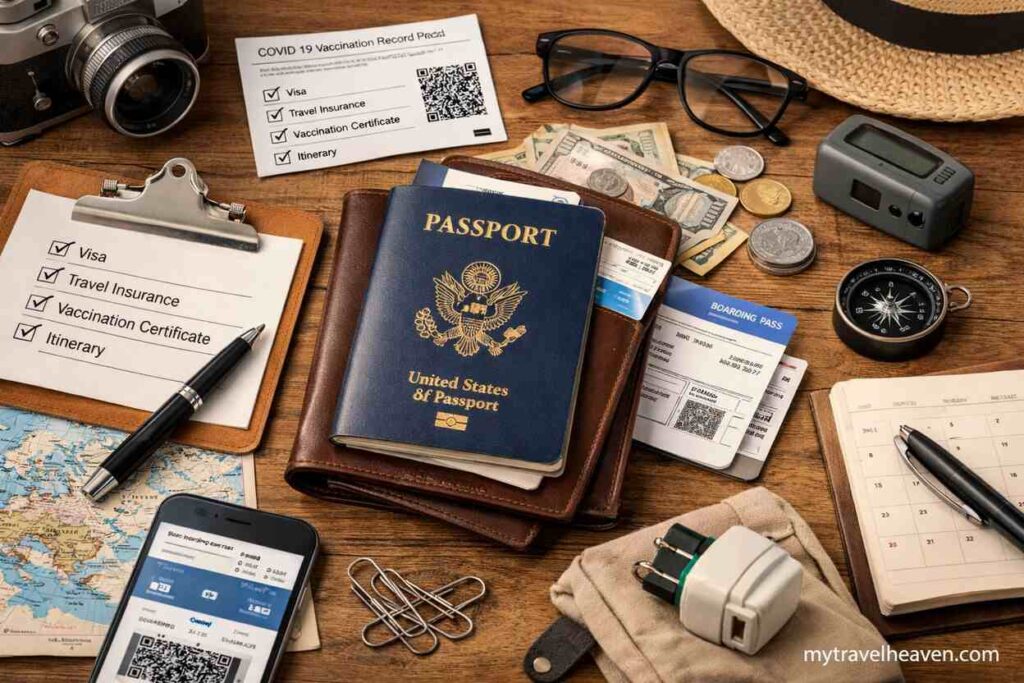
Before traveling, ensure your passport is valid for at least six months beyond your stay. Visitors from many countries can enter France visa-free for short stays under the Schengen Area agreement, but requirements vary based on nationality.
Travel insurance is strongly recommended to cover medical emergencies, cancellations, and lost belongings. Keep digital and printed copies of your documents, including flight confirmations and hotel bookings. Preparing these essentials in advance prevents disruptions during your trip.
Explore Iconic Landmarks Efficiently
Paris is home to world-famous landmarks that define its global identity. Prioritizing must-see attractions ensures you experience the essence of the city without wasting time.
Eiffel Tower and Surroundings
The Eiffel Tower serves as the city’s most recognizable structure. Booking tickets in advance helps avoid long queues, especially during peak seasons. Visiting at sunset provides both daylight and nighttime views.
Nearby, the Champ de Mars offers a relaxing green space ideal for picnics, while Seine River cruises provide unique perspectives of illuminated landmarks.
Louvre Museum and Art Exploration
The Louvre Museum houses thousands of artworks, including the Mona Lisa. Arrive early or book timed-entry tickets to minimize wait times.
Exploring the museum requires planning due to its size. Focus on key sections such as Renaissance art, Egyptian antiquities, and Greek sculptures for a balanced visit.
Navigate Transportation Like a Local
Paris offers an efficient public transport system that includes metro, buses, and regional trains operated by RATP Group. The metro remains the fastest way to travel within the city, with extensive coverage across major attractions.
Purchase a multi-day pass such as the Navigo card for cost savings and convenience. Walking is also highly recommended, as many landmarks are located within short distances, allowing you to experience the city’s architecture and street life more intimately.
Taxis and ride-sharing services provide alternatives, though they are generally more expensive. For airport transfers, consider trains or airport shuttles to avoid high taxi fares.
Experience Parisian Cuisine and Dining Culture
Traditional French Dining
Paris is synonymous with world-class cuisine. Dining at a traditional Parisian café introduces dishes like Croissant, Escargot, and Coq au Vin.
Meals are often leisurely experiences, emphasizing quality and atmosphere. Lunch menus typically offer better value than dinner, making them ideal for budget-conscious travelers.
Explore Bakeries and Street Food
Local bakeries, known as boulangeries, provide fresh bread and pastries daily. Sampling items like baguettes and macarons offers insight into French culinary traditions.
Street food such as crepes and sandwiches provides affordable alternatives while maintaining authentic flavors. Exploring local markets also introduces regional cheeses, fruits, and specialties.
Visit Historic Neighborhoods and Cultural Districts
Paris is divided into arrondissements, each with distinct characteristics. Exploring multiple neighborhoods helps you understand the city’s diversity.
Le Marais features medieval streets, boutiques, and museums. Montmartre, home to the Sacré-Cœur, offers artistic heritage and panoramic views. The Latin Quarter is known for its academic atmosphere and historic institutions like Sorbonne University.
Walking through these areas reveals hidden gems such as local cafés, galleries, and street performances, enhancing your cultural experience beyond major landmarks.
Plan Day Trips from Paris
Expanding your itinerary beyond the city provides additional cultural and historical insights.
Versailles Palace
The Palace of Versailles showcases French royal history, elaborate gardens, and architectural grandeur. Allocate a full day to explore the palace and its extensive grounds.
Disneyland Paris
Disneyland Paris provides entertainment for families and Disney fans. Located about 40 minutes from the city, it offers rides, shows, and themed attractions.
Manage Budget and Expenses Effectively
Paris can be expensive, but careful budgeting helps control costs. Accommodation and dining represent the largest expenses, followed by transportation and attraction tickets.
| Expense Category | Budget Option | Mid-Range | Luxury |
|---|---|---|---|
| Accommodation | Hostels | Boutique hotels | 5-star hotels |
| Food | Street food | Casual dining | Fine dining |
| Transport | Metro pass | Taxi occasionally | Private transport |
| Attractions | Free sites | Museum passes | VIP access |
Consider purchasing museum passes to save on entry fees. Free attractions like parks, churches, and walking tours also reduce costs while maintaining a rich experience.
Learn Basic French Phrases for Better Interaction
While many Parisians speak English, using basic French phrases enhances communication and shows respect for local culture. Simple expressions such as greetings, thank you, and ordering food improve interactions.
Learning pronunciation and common phrases can also help in restaurants, shops, and transportation settings. Even minimal effort often results in friendlier responses from locals.
Stay Safe and Avoid Common Tourist Mistakes
Paris is generally safe, but awareness helps prevent issues. Pickpocketing can occur in crowded areas such as metro stations and tourist sites. Keep valuables secure and avoid displaying expensive items.
Avoid common mistakes like overpacking your itinerary, not validating metro tickets, or ignoring local customs. Planning breaks and allowing flexibility ensures a more enjoyable trip.
Capture Memorable Experiences and Photos
Paris offers countless photography opportunities, from iconic landmarks to charming streets. Early morning and sunset provide the best lighting conditions for capturing the city’s beauty.
Popular photo spots include bridges over the Seine, Montmartre streets, and viewpoints near major monuments. Balancing photography with experiencing the moment ensures a more fulfilling visit.
Conclusion
Paris delivers a rich blend of history, art, cuisine, and culture that makes it one of the most rewarding travel destinations for first-time visitors. Careful planning, smart budgeting, and prioritizing key attractions allow you to experience the city efficiently without feeling overwhelmed. By exploring landmarks, neighborhoods, and local cuisine, you gain a deeper appreciation for what makes Paris unique. With the right approach, your first visit can become a memorable and inspiring journey.
FAQs
1. How many days are enough for a first trip to Paris?
A 4 to 5 day trip provides enough time to see major attractions, explore neighborhoods, and enjoy local experiences.
2. What is the best time to visit Paris?
Spring and fall offer the best balance of weather, fewer crowds, and reasonable prices.
3. Is Paris expensive for tourists?
Paris can be costly, but budgeting strategies like public transport and local dining help reduce expenses.
4. Do I need to speak French in Paris?
Basic phrases are helpful, but many locals understand English, especially in tourist areas.
5. What should I avoid doing in Paris?
Avoid overplanning, ignoring safety precautions, and not respecting local customs.
6. Is public transport easy to use in Paris?
Yes, the metro system is efficient, affordable, and well-connected across the city.
Read Next: Best Family Vacation Spots Around the World
