

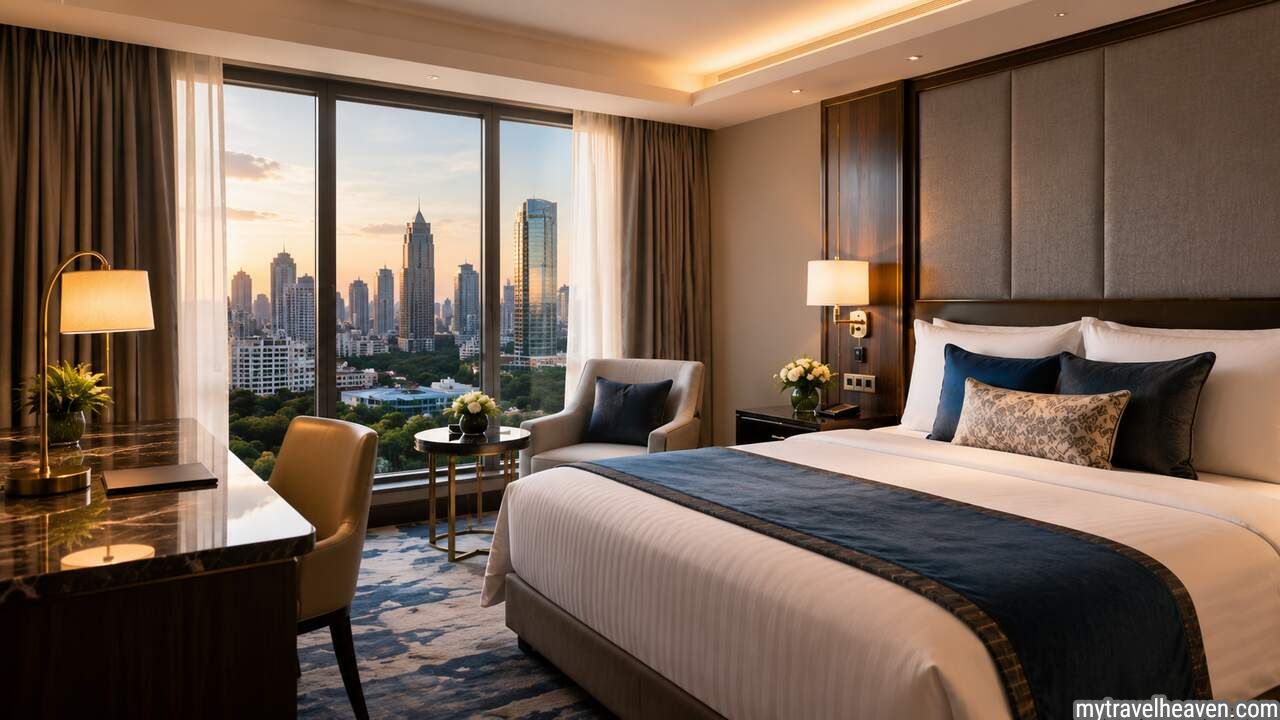
Getting a free hotel upgrade can transform an ordinary trip into a premium travel experience without increasing your budget. Travelers who understand hotel operations, loyalty systems, booking timing, and guest communication often receive larger rooms, better views, executive lounge access, complimentary amenities, or even luxury suites at no extra cost. Hotels reward guests who create value, demonstrate professionalism, and make the upgrade process easy for front desk staff.
A successful hotel upgrade strategy depends on preparation, flexibility, timing, and relationship building. Luxury hotel brands, boutique properties, airport hotels, resorts, and business hotels all use room inventory management systems that leave certain premium rooms available throughout the day. Guests who know how to position themselves properly can benefit from these unsold rooms.
This guide explains the most effective methods for getting free hotel upgrades consistently. It covers loyalty programs, booking platforms, communication tactics, check-in strategies, travel timing, staff interactions, and common mistakes that reduce upgrade opportunities. By using these techniques together, travelers can improve their odds significantly across major hotel brands and independent properties.
Join Hotel Loyalty Programs Before Booking
Hotel loyalty programs create the strongest foundation for receiving complimentary upgrades. Major hotel groups prioritize repeat guests because returning customers generate long-term revenue and brand loyalty. Even entry-level membership status can place travelers ahead of non-members during room assignment.
Programs from Marriott Bonvoy, Hilton Honors, World of Hyatt, IHG One Rewards, and Accor Live Limitless all include upgrade opportunities as part of their member benefits. Elite members often receive automatic room preference consideration, late checkout, premium floor placement, welcome gifts, and suite upgrades when inventory allows. Some hotel brands also prioritize guests who book directly through official websites instead of third-party travel agencies.
Travelers who stay only a few nights per year should still enroll because membership is usually free. Hotels track guest history, preferences, birthdays, anniversaries, spending habits, and previous property visits. Front desk agents frequently see loyalty information during check-in, which influences upgrade decisions. A guest with even minimal loyalty history often appears more valuable than a first-time visitor with no membership profile.
Book Rooms Directly Through Hotel Websites
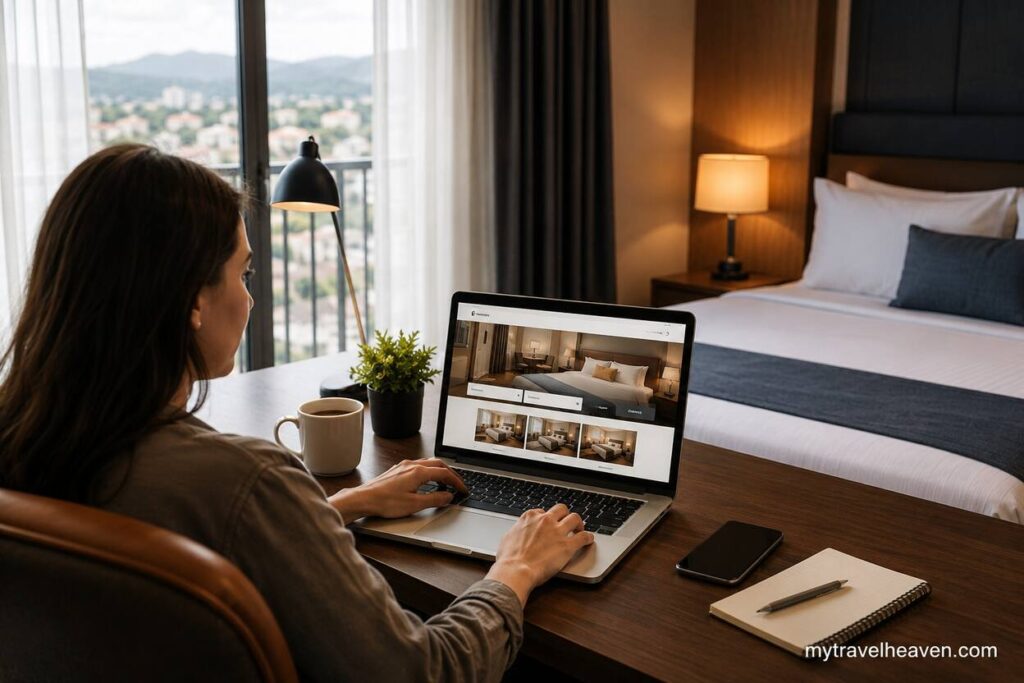
Direct bookings improve upgrade eligibility because hotels retain more revenue from reservations made through their own websites, mobile apps, or reservation centers. Third-party travel agencies such as online travel marketplaces often reduce hotel profit margins through commission structures.
Hotels prefer guests who book directly because communication becomes easier, cancellation policies remain flexible, and loyalty benefits apply correctly. Front desk staff can also modify reservations more efficiently when they originate inside the hotel’s internal system. Many hotels explicitly reserve complimentary upgrades for direct-booking guests.
Travelers should compare rates before booking but prioritize direct reservations whenever possible. Official hotel websites frequently include bonus perks such as complimentary breakfast, flexible cancellation terms, free Wi-Fi, dining credits, or priority room assignment. Some luxury hotel collections additionally provide preferred partner benefits through travel advisors.
Booking directly also allows guests to include personal notes, room preferences, and special occasions during the reservation process. These details help hotels personalize stays and sometimes trigger upgrade consideration before arrival. A reservation mentioning an anniversary, honeymoon, birthday, or milestone celebration can increase the likelihood of receiving enhanced accommodations.
Choose the Right Time to Travel
Travel timing significantly influences hotel upgrade availability. Properties with lower occupancy rates possess more flexibility in assigning premium rooms. Guests traveling during slower periods face less competition for suites, corner rooms, and upgraded categories.
Business hotels usually experience lighter occupancy on weekends, especially in financial districts and convention-heavy cities. Resort properties often have greater availability during weekdays or shoulder seasons between peak vacation periods. Airport hotels may experience lower demand outside major travel events and holiday surges.
Travelers seeking upgrades should avoid major conferences, festivals, sports tournaments, and holiday weekends whenever possible. During fully booked periods, hotels prioritize maximizing revenue from premium inventory rather than offering complimentary upgrades. Front desk staff also experience higher stress levels during sold-out situations, reducing flexibility.
Arriving later in the evening can occasionally improve upgrade chances because hotels know which premium rooms remain unsold. However, arriving too late creates risk because the property may assign remaining inventory already. Mid-afternoon check-in windows often provide the best balance between room readiness and availability visibility.
Understanding local demand patterns helps travelers identify ideal upgrade opportunities. For example:
| Hotel Type | Best Upgrade Timing | High-Demand Periods to Avoid |
| Business Hotels | Friday to Sunday | Conferences and trade shows |
| Beach Resorts | Weekdays and shoulder season | School holidays and summer weekends |
| City Luxury Hotels | Midweek during off-season | Festivals and major events |
| Airport Hotels | Non-holiday weekdays | Flight disruption periods |
| Ski Resorts | Early or late season | Peak snow holidays |
Travel flexibility creates leverage. Guests who can shift trips by even a few days may dramatically increase upgrade availability.
Communicate With the Hotel Before Arrival
Pre-arrival communication allows guests to establish a positive relationship before reaching the front desk. Hotels frequently review guest notes, requests, and profiles during room assignment preparation. A polite message can place a traveler on the radar for potential upgrade consideration.
Guests should send concise and professional communication through email, mobile app chat, or hotel messaging systems a few days before arrival. The message should express excitement about the stay, mention loyalty status if applicable, and politely request consideration for any available upgrades.
Effective communication remains respectful rather than demanding. Front desk agents and guest relations teams respond better to appreciative travelers than aggressive negotiators. A message that acknowledges hotel limitations while expressing gratitude creates stronger goodwill.
Example requests work best when they are short and specific:
“Hello, I’m looking forward to my upcoming stay this weekend. I’m celebrating an anniversary and would greatly appreciate consideration for any available room upgrades upon arrival. Thank you for your time.”
Travelers should avoid lengthy explanations, entitlement language, or unrealistic expectations. Hotels handle thousands of guests, and concise requests are easier to process. Mentioning loyalty membership numbers and reservation details also helps staff review profiles efficiently.
Luxury hotels and boutique properties often respond personally to these requests. Some properties pre-block upgraded rooms for guests who communicate professionally ahead of time.
Arrive Prepared and Dress Professionally
First impressions influence hotel interactions more than many travelers realize. Front desk agents evaluate guest behavior quickly during check-in. Polite communication, confidence, patience, and professional presentation can positively affect discretionary upgrade decisions.
Travelers do not need luxury clothing or formal attire to receive upgrades. Clean, organized, and respectful presentation matters more than expensive fashion. Staff members often respond favorably to guests who appear calm, appreciative, and easy to assist.
Hotel employees regularly manage difficult situations involving overbookings, complaints, payment issues, and demanding customers. Guests who create pleasant interactions stand out immediately. A warm greeting, eye contact, and genuine kindness can influence staff willingness to help.
Preparation also matters. Guests should have identification, payment methods, loyalty numbers, and reservation confirmations ready at check-in. Efficient travelers reduce stress for hotel staff and make upgrade processing smoother.
Body language and tone affect results significantly. Travelers who politely ask whether any complimentary upgrades are available often receive better responses than those who demand suite access. Front desk agents possess discretion in many room assignment situations, especially when inventory remains unsold.
Ask for Upgrades the Right Way During Check-In
Timing and phrasing determine whether an upgrade request succeeds. The most effective approach combines politeness, flexibility, and awareness of hotel operations. Front desk employees appreciate guests who understand that upgrades depend on availability.
Travelers should wait until the check-in process begins naturally before asking. Interrupting immediately with demands can create tension. Once reservation details appear on the screen, guests can politely ask whether any upgraded rooms might be available.
Simple requests work best:
“Are there any complimentary upgrades available today?”
This phrasing avoids pressure while giving staff flexibility to explore options. Guests can also mention special occasions naturally if relevant.
If the answer is no, travelers should remain gracious. Hotels remember guest behavior, and disappointment expressed respectfully may still produce later benefits. Sometimes upgraded rooms become available after housekeeping finishes cleaning or after no-show guests fail to arrive.
Front desk agents occasionally offer discounted paid upgrades instead of free upgrades. These offers can still provide strong value because hotels frequently reduce suite pricing dramatically during lower occupancy periods. Travelers should evaluate whether the additional comfort justifies the reduced upgrade cost.
Another effective tactic involves asking open-ended questions:
“Do you recommend any room types that might improve the stay experience?”
This approach encourages conversation rather than confrontation. Staff may voluntarily provide better accommodations when they feel respected and appreciated.
Celebrate Special Occasions Strategically
Hotels often enhance guest experiences during important milestones because memorable stays encourage positive reviews, repeat visits, and social media exposure. Birthdays, anniversaries, honeymoons, graduations, retirement celebrations, and engagement trips can all increase upgrade opportunities.
Guests should mention genuine occasions during booking or pre-arrival communication. Authenticity matters because hotel staff frequently encounter exaggerated stories from travelers attempting to manipulate upgrades. Honest communication paired with realistic expectations produces better results.
Luxury resorts and boutique hotels especially value emotional guest experiences. A complimentary room enhancement, welcome dessert, champagne service, or scenic view upgrade can create strong guest satisfaction with relatively low operational cost.
Travelers should avoid overplaying celebrations or demanding specific suites based solely on personal events. Instead, they should frame the occasion as contextual information rather than leverage.
For example:
“We’re excited to celebrate our anniversary during this stay and appreciate any recommendations or enhancements available.”
Hotels sometimes combine upgrades with additional amenities such as:
- Complimentary wine or champagne
- Dessert platters
- Late checkout
- Spa discounts
- Executive lounge access
- Premium floor placement
- Balcony rooms
- Ocean or skyline views
Properties with strong hospitality cultures frequently personalize stays when guests communicate thoughtfully.
Use Credit Cards With Hotel Travel Benefits
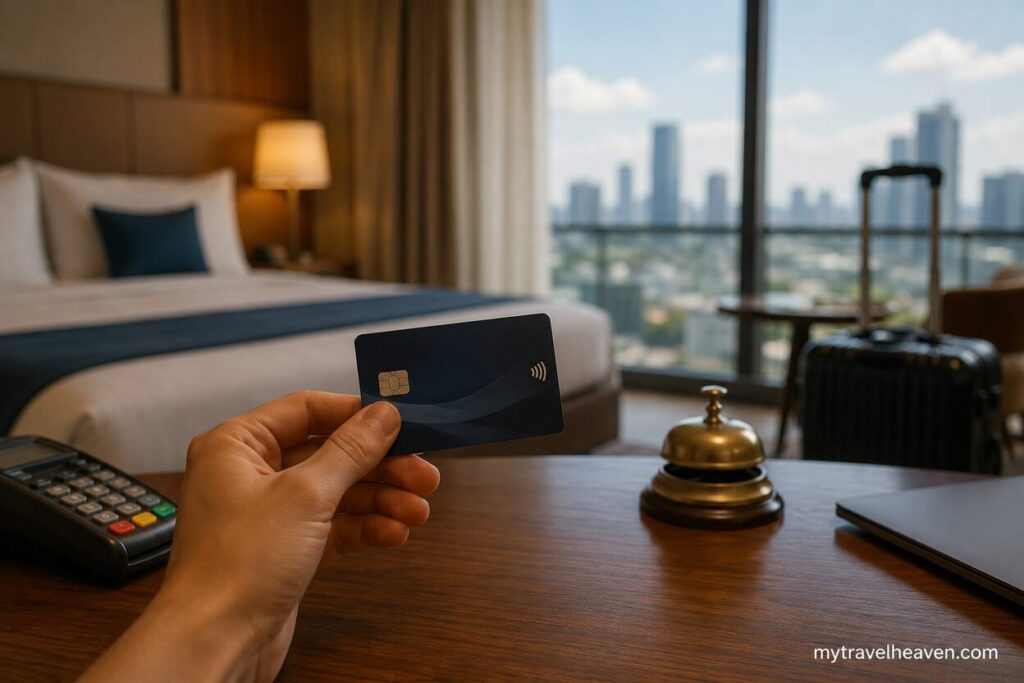
Premium travel credit cards provide hidden upgrade advantages through hotel partnerships and elite status benefits. Many cards automatically grant mid-tier hotel status, which improves upgrade eligibility immediately.
Cards connected to major hotel programs often include elite night credits, automatic membership upgrades, annual free nights, and enhanced customer support. Some luxury travel cards additionally provide access to premium hotel collections with exclusive perks.
Programs such as Fine Hotels + Resorts, Luxury Hotel & Resort Collection, and Visa Infinite Hotel Collection frequently include:
- Complimentary room upgrades when available
- Daily breakfast for two
- Property credits
- Guaranteed late checkout
- Early check-in benefits
- VIP guest treatment
Travelers who book through these premium programs may receive stronger upgrade consideration because hotels recognize the reservation category internally.
Credit card partnerships also create spending incentives for hotels. Guests associated with premium financial products often match higher spending profiles, making them attractive customers.
Even travelers without luxury cards can benefit from hotel-branded credit cards. Entry-level hotel cards commonly include automatic Silver or Gold status, which may trigger preferred room assignments and upgrade opportunities.
Build Positive Relationships With Hotel Staff
Consistent travelers often receive upgrades because hotel staff recognize and remember them. Relationship building creates long-term value beyond a single reservation. Front desk agents, concierges, guest relations managers, and housekeeping supervisors all contribute to the guest experience.
Travelers who stay at the same hotel brand repeatedly can develop familiarity with staff members. Returning guests frequently receive priority treatment because hotels value loyalty and predictable business.
Simple behaviors strengthen relationships significantly:
- Learn staff names
- Express appreciation sincerely
- Leave positive reviews mentioning employees
- Treat service workers respectfully
- Avoid unnecessary complaints
- Tip appropriately where culturally acceptable
Hotels maintain internal guest notes within reservation systems. Positive interactions may influence future stays across multiple properties within the same brand network.
Business travelers often benefit most from relationship-based upgrades because they generate recurring revenue. Guests who stay monthly or quarterly become known quantities for hotel teams.
Luxury hospitality depends heavily on emotional experience. Employees who feel appreciated are more likely to provide discretionary perks such as upgraded rooms, welcome amenities, or personalized service.
Stay Flexible With Room Preferences
Flexibility increases the probability of receiving upgrades because hotels manage inventory dynamically. Guests who insist on highly specific room locations, bed configurations, or floor levels may limit available options.
Travelers willing to accept different layouts, corner rooms, accessible configurations, or alternate views often gain access to enhanced accommodations more easily. Front desk agents appreciate guests who make room assignment easier.
For example, a traveler requesting “any upgraded room available” creates more flexibility than someone demanding a specific suite category with a king bed on a high floor near the elevator.
Hotels continuously balance housekeeping schedules, maintenance issues, VIP arrivals, group bookings, and occupancy forecasts. Flexible guests allow staff to optimize room allocation efficiently.
Some travelers also benefit from accepting temporary upgrades during short stays. Hotels may move guests into premium rooms for one night before requiring relocation due to incoming reservations. Travelers open to these arrangements sometimes experience luxury accommodations unexpectedly.
Flexibility additionally applies to check-in timing. Guests who can wait briefly while upgraded rooms finish cleaning may receive better options than travelers demanding immediate access.
Leverage Social Media and Online Reputation
Hotels monitor online reviews and social media visibility carefully because digital reputation directly affects revenue. Travelers with strong online engagement, professional travel accounts, or review histories occasionally receive enhanced treatment.
This strategy works best when used authentically rather than manipulatively. Guests should avoid threatening negative reviews or aggressively promoting their follower counts. Instead, they can engage positively with hotel content before arrival.
Effective tactics include:
- Following hotel social media accounts
- Sharing excitement about upcoming stays
- Posting respectful travel content
- Leaving thoughtful reviews after visits
- Tagging hotels in high-quality travel photos
Boutique hotels and luxury properties often value organic social media exposure because visual marketing influences booking decisions.
Travel writers, photographers, bloggers, and business professionals sometimes receive upgrades due to visibility potential. However, most travelers benefit more from genuine positivity than explicit self-promotion.
Online reviews also matter significantly. Guests with histories of fair and constructive feedback may appear more trustworthy within hospitality systems. Some hotels internally track guest review behavior and loyalty engagement.
Book Higher Base Categories Strategically
Travelers who reserve the absolute cheapest room categories often reduce upgrade potential because hotels prioritize guests already spending more money. Booking slightly above entry-level inventory can improve upgrade eligibility substantially.
For example, reserving a deluxe room instead of a standard room may position the guest for a junior suite upgrade. Hotels often use incremental upgrade ladders based on reservation categories.
This strategy works because hotels prefer rewarding higher-revenue guests while preserving their lowest inventory for budget-conscious travelers. Guests already demonstrating willingness to spend moderately may appear more valuable operationally.
Higher room categories sometimes also include:
- Better floors
- Preferred views
- Enhanced furnishings
- Larger layouts
- Quieter locations
- Executive floor access
Travelers should compare pricing differences carefully. Small increases in base booking costs can unlock disproportionately better upgrade opportunities.
Luxury travelers frequently use this tactic in combination with loyalty status and direct bookings. The cumulative effect strengthens upgrade eligibility across multiple hotel systems.
Use Travel Advisors and Preferred Partner Programs
Travel advisors with luxury hotel partnerships often secure upgrades more effectively than independent travelers. Preferred partner programs connect hotels with agencies that generate high-value bookings.
Programs such as Marriott STARS, Hyatt Privé, Four Seasons Preferred Partner, and Virtuoso provide enhanced guest benefits through approved travel professionals.
Benefits commonly include:
| Program Type | Common Upgrade Benefit | Additional Advantages |
| Luxury Hotel Partnerships | Priority upgrade consideration | Daily breakfast |
| Preferred Travel Networks | VIP guest status | Resort credits |
| Corporate Travel Programs | Executive floor access | Flexible cancellation |
| Premium Agency Programs | Early check-in | Personalized amenities |
Hotels prioritize these reservations because partner agencies influence significant revenue streams. Guests booked through recognized advisors may receive VIP treatment automatically.
Travel advisors also communicate directly with hotel management before arrival. This personal connection can increase upgrade probability for anniversaries, family vacations, and milestone trips.
Even travelers booking occasional luxury stays may benefit from advisor relationships because many services cost nothing additional. Hotels often compensate advisors directly through commissions.
Avoid Common Upgrade Mistakes
Many travelers unintentionally reduce their upgrade chances through poor communication, unrealistic expectations, or disrespectful behavior. Understanding these mistakes helps guests maintain positive interactions with hotel staff.
One major error involves demanding upgrades aggressively. Front desk employees respond negatively to entitlement because they manage limited inventory under operational constraints. Polite curiosity consistently works better than confrontation.
Another common mistake involves booking through opaque discount platforms that hide guest information from hotels. These reservations often provide minimal flexibility and reduced upgrade eligibility.
Travelers also harm their chances by arriving during peak occupancy periods without flexibility. Fully booked hotels cannot create premium inventory that does not exist.
Additional mistakes include:
- Ignoring loyalty program enrollment
- Complaining excessively during check-in
- Requesting unrealistic suite categories
- Showing frustration after rejection
- Misrepresenting special occasions
- Treating staff disrespectfully
- Arriving intoxicated or disorganized
Hotels prioritize operational efficiency and guest satisfaction. Travelers who contribute positively to the environment naturally receive more favorable treatment.
Patience remains essential. Not every stay results in upgrades, even for elite members and frequent travelers. Occupancy conditions, maintenance issues, staffing levels, and VIP arrivals all affect availability.
Combine Multiple Upgrade Strategies Together
The most successful travelers rarely depend on one technique alone. Instead, they combine loyalty membership, direct booking, strategic timing, professional communication, and respectful behavior into a unified approach.
For example, a traveler might:
- Join a hotel loyalty program
- Book directly through the hotel website
- Travel during lower occupancy periods
- Mention an anniversary before arrival
- Use a premium travel credit card
- Arrive professionally prepared
- Ask politely during check-in
Each individual factor may increase upgrade probability slightly. Combined together, these elements create a much stronger guest profile within hotel systems.
Hotels evaluate guests holistically rather than through a single metric. Revenue contribution, loyalty history, operational flexibility, communication style, and room inventory all influence final decisions.
Frequent travelers eventually learn that upgrades depend partly on timing and luck. However, disciplined strategy improves consistency significantly across different hotel categories and destinations.
Luxury hospitality rewards preparation. Guests who understand hotel priorities position themselves advantageously while maintaining positive relationships with staff.
Maximize Suite Upgrade Opportunities at Luxury Hotels
Luxury hotels operate differently from midscale properties because premium guest experience forms a core part of their brand identity. Resorts, five-star urban hotels, and boutique luxury properties often possess more flexibility in delivering personalized upgrades.
Travelers seeking suite upgrades should focus on lower occupancy windows at luxury destinations. Expensive suites frequently remain unsold because demand for premium accommodations fluctuates more than standard room demand.
Luxury hotels also place strong emphasis on emotional storytelling. Guests celebrating meaningful occasions may receive better treatment because memorable experiences drive long-term brand loyalty and word-of-mouth marketing.
Concierge teams and guest relations departments play important roles within luxury properties. Communicating with these departments before arrival can improve visibility. Guests should remain courteous and concise while expressing enthusiasm for the upcoming stay.
Another effective tactic involves shorter stays. A one-night or two-night reservation is easier for hotels to upgrade than an extended stay requiring continuous premium inventory availability.
Luxury properties additionally value repeat visitation patterns. Guests who return annually or explore multiple hotels within the same luxury brand ecosystem often receive progressively better treatment over time.
Handle Upgrade Rejections Professionally
Even experienced travelers receive upgrade rejections regularly. Occupancy constraints, maintenance closures, group bookings, and VIP arrivals can eliminate premium inventory quickly.
Professional responses matter because hotels remember guest interactions. Travelers who react gracefully may still receive alternate benefits such as complimentary breakfast, drink vouchers, late checkout, or future stay recognition.
Guests should avoid arguing with front desk employees after a rejection. Staff members rarely control inventory limitations personally, and confrontational behavior damages goodwill immediately.
A productive response might include:
“No problem at all. I appreciate you checking.”
This courteous reaction leaves the interaction positive. Occasionally, staff revisit upgrade opportunities later during the stay if inventory changes.
Travelers should also recognize that room quality extends beyond category labels. A well-located standard room with a quiet view may provide a better experience than a noisy suite near elevators or event spaces.
Hospitality interactions influence future stays as well. Hotels maintain internal guest profiles, and respectful conduct creates long-term value beyond a single reservation outcome.
Conclusion
Getting free hotel upgrades depends on preparation, timing, communication, and professionalism. Travelers who join loyalty programs, book directly, travel strategically, and interact respectfully with hotel staff consistently improve their chances of receiving better accommodations.
Hotels reward guests who create long-term value and contribute positively to the guest experience environment. Complimentary upgrades often result from a combination of loyalty status, flexible travel habits, thoughtful communication, and operational opportunity.
The most effective strategy involves combining multiple techniques rather than relying on luck alone. Travelers who consistently apply these methods can enjoy larger rooms, premium views, executive amenities, and luxury experiences without significantly increasing travel costs.
Every hotel stay presents a new opportunity. While upgrades are never guaranteed, informed travelers can position themselves advantageously and maximize the probability of receiving meaningful hospitality enhancements.
FAQs
Can I get a free hotel upgrade without elite status?
Yes. Elite status improves your chances, but polite communication, direct booking, flexible travel timing, and respectful behavior can still lead to complimentary upgrades even for first-time guests.
Is it better to ask for an upgrade before arrival or during check-in?
Using both approaches works best. A polite pre-arrival message increases visibility, while a respectful check-in request allows staff to review real-time room availability.
Do hotels upgrade guests automatically?
Some hotels automatically upgrade loyalty members or VIP guests when inventory allows. However, many upgrades occur only after guests express interest professionally.
Which hotels provide upgrades most often?
Luxury hotels, boutique properties, and resorts generally offer upgrades more frequently than budget hotels because premium guest experience forms a larger part of their service model.
Does tipping help with hotel upgrades?
In some destinations, respectful tipping may create goodwill, but professionalism and loyalty status usually matter more. Travelers should never offer tips specifically in exchange for upgrades.
Are free upgrades more common during off-season travel?
Yes. Hotels with lower occupancy possess greater flexibility in assigning premium rooms. Shoulder seasons and lower-demand weekdays often provide better upgrade opportunities.
