


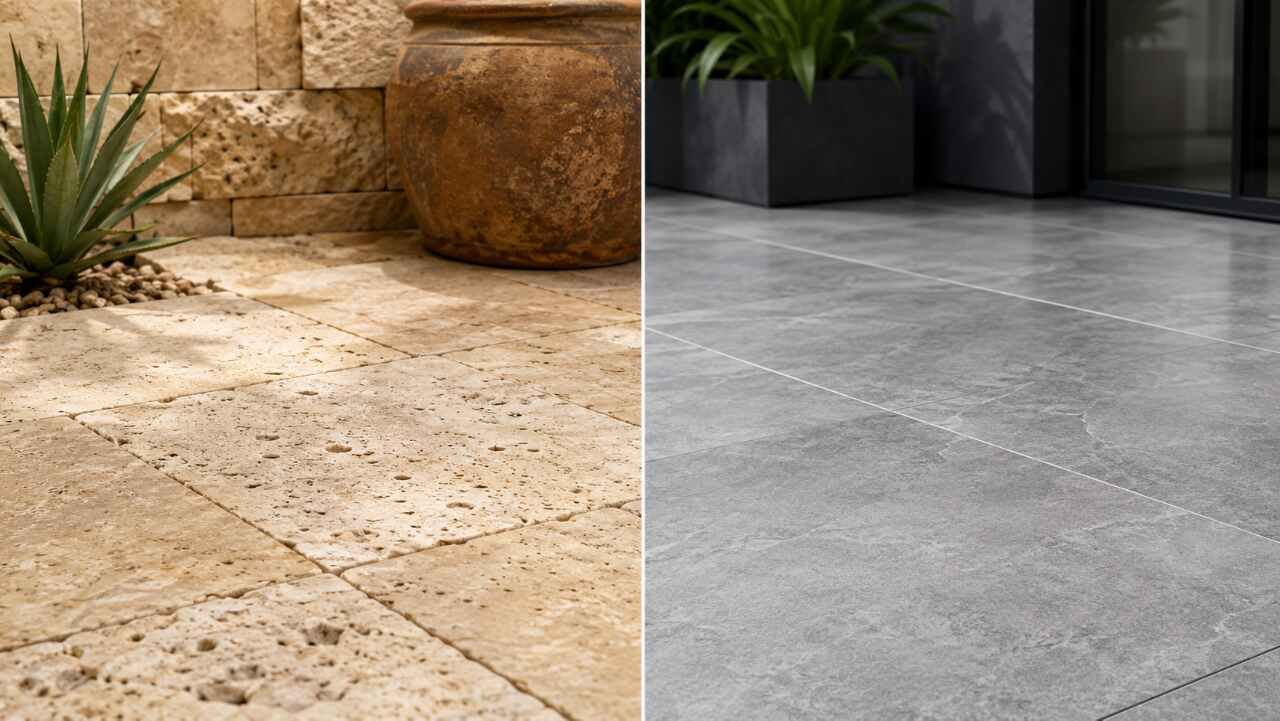
In the realm of home improvement and interior design, choosing the right tile can significantly impact not only the aesthetics but also the longevity of your space. Two popular options that often come up in this discussion are Cantera Tile and porcelain tile. While both offer unique advantages, understanding their composition and durability can help you make an informed decision. This article explores the characteristics of Cantera and porcelain tiles, compares their durability, and provides guidance on selecting the best option for your specific needs.
Cantera Tile: Characteristics and Composition

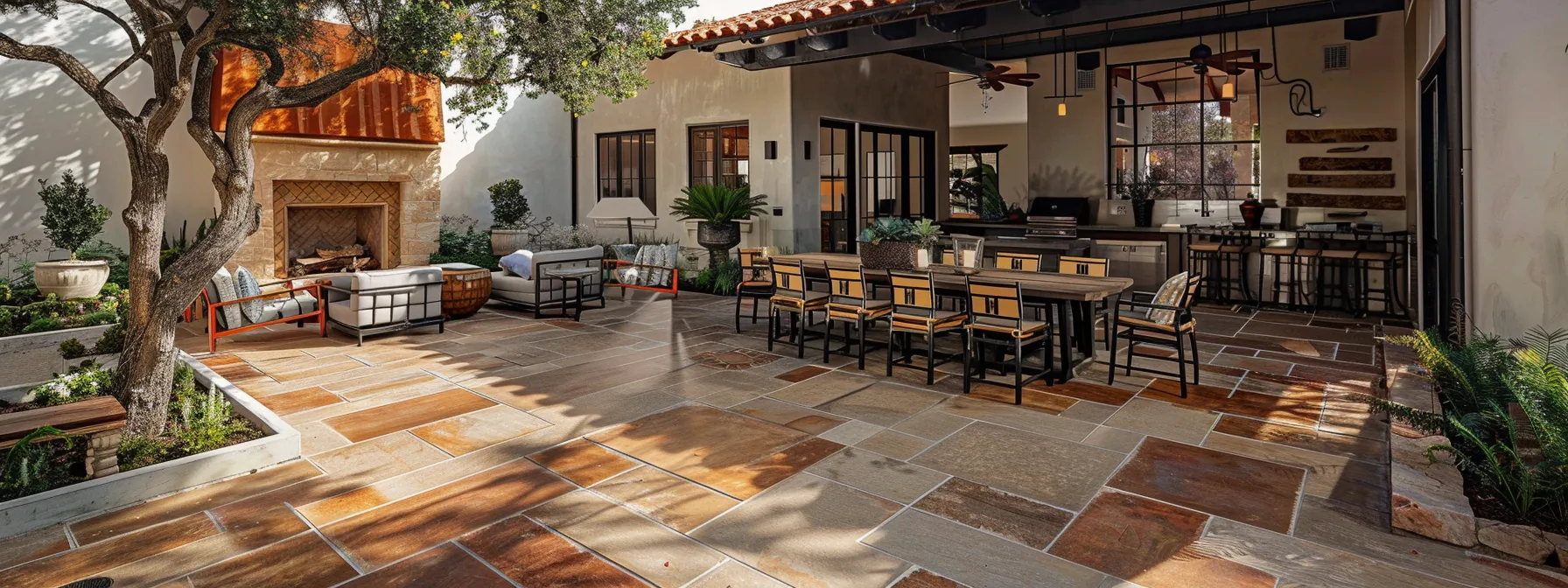
Cantera Tile is a natural stone product derived from volcanic rock, known for its rustic appearance and earthy tones. Its porous nature allows for the creation of intricate designs, making it a favorite in decorative applications. When considering Cantera for a project, it’s important to note that its porousness requires proper sealing to enhance its durability and resistance to moisture. A well-sealed Cantera Tile can provide a warm, inviting aesthetic to both interiors and exteriors, aligning with concepts of tactile design and biophilic design, which emphasize a connection to nature in interior spaces.
Furthermore, Cantera Tile’s unique composition allows it to be customized into different shapes and sizes, suitable for both modern and traditional designs. It is often used in hardscape projects like patios and pool areas, where its natural texture adds depth and character. For those inspired by a mood board that combines natural elements with modern design, Cantera Tile can be an ideal choice.
When considering Cantera Tile, it is worth exploring the Cantera Tile collection, which includes a variety of styles and finishes that can cater to diverse design preferences.
Porcelain Tile: Strength and Versatility
Porcelain tile, a type of ceramic tile, is made from refined clay and fired at high temperatures to achieve a dense, durable finish. Known for its strength and low porosity, porcelain is often used in high-traffic areas due to its resistance to wear and moisture. This makes it a preferred choice for flooring in both residential and commercial spaces, especially in areas subject to zoning regulations that require specific flooring standards.
Porcelain tile’s versatility extends beyond its durability. It comes in a wide array of colors and finishes, allowing designers to incorporate it seamlessly into various themes through color theory application. Whether aiming for a minimalist look or a vibrant design, porcelain tiles can be adapted to suit any aesthetic preference.
Moreover, porcelain’s resistance to scratches and stains makes it an excellent choice for countertops and kitchen backsplashes, where durability is crucial. As such, its strength and versatility make porcelain a staple in many interior design projects.
Comparative Analysis of Durability
When comparing the durability of Cantera and porcelain tiles, several factors come into play, including their composition and intended use. Porcelain tile is often lauded for its exceptional hardness and resistance to moisture, making it the go-to choice for high-traffic and wet areas. Its low absorption rate ensures that it remains impervious to water damage, which is a critical consideration in schematic design and site plan development for wet zones.
On the other hand, Cantera Tile, while naturally less dense than porcelain, can achieve remarkable durability with the proper sealing. Its natural beauty and texture are unmatched, offering a tactile experience that porcelain cannot. However, it is essential to maintain Cantera Tiles regularly to preserve their aesthetic and structural integrity.
According to a recent study by ArchDaily, the choice between these tiles often boils down to the specific requirements of the space and the desired balance between aesthetics and functionality.
Choosing the Right Tile for Your Space
Selecting between Cantera and porcelain tiles should be guided by the specific needs of your project. For areas exposed to heavy foot traffic or moisture, such as bathrooms and kitchens, porcelain’s robust characteristics make it the logical choice. Its durability and ease of maintenance align well with ergonomic design principles, ensuring both functionality and comfort.
Conversely, for spaces where aesthetic appeal and natural ambiance are prioritized, Cantera Tile offers unmatched beauty. Its ability to enhance biophilic design elements in living spaces can transform a room into a serene retreat. Furthermore, incorporating Cantera in areas with strategic millwork can elevate the overall design sophistication.
Ultimately, the decision should be informed by a combination of practical requirements and design aspirations, ensuring that the selected tile not only meets the functional needs but also complements the overall interior design scheme.
Conclusion
Both Cantera and porcelain tiles offer distinct advantages in terms of durability and design flexibility. Porcelain is ideal for high-traffic areas due to its strength and moisture resistance, while Cantera provides a natural, tactile appeal perfect for creating a warm, inviting environment. For those planning a new interior project or renovation, evaluating the specific demands of your space and aligning them with your design goals will ensure a successful outcome that enhances both the durability and beauty of your home.
For more informative articles you can visit MyTravelHeaven.