


Traveling for the first time can feel overwhelming when you have no experience planning trips, booking transportation, navigating airports, managing budgets, or staying safe in unfamiliar places. Many beginners delay travel because they think experienced travelers have special skills, unlimited money, or insider knowledge. In reality, most confident travelers started with uncertainty and learned through small practical steps.
Starting your travel journey becomes easier when you break the process into manageable actions. You do not need to backpack across multiple countries immediately or spend thousands of dollars on luxury experiences. A simple weekend trip, a nearby city visit, or a budget-friendly domestic vacation can teach valuable travel skills. As your confidence grows, larger adventures become more realistic and enjoyable.
This guide explains how to start traveling with no experience by covering planning, budgeting, packing, transportation, accommodations, safety, communication, and confidence-building strategies. You will learn how to avoid common beginner mistakes, reduce travel stress, and create enjoyable experiences even if you have never traveled independently before.
Choose Beginner-Friendly Destinations
The best first trip is simple, safe, affordable, and easy to navigate. New travelers often make the mistake of selecting highly complicated itineraries with multiple flights, language barriers, or unrealistic schedules. A beginner-friendly destination allows you to focus on learning the basics of travel instead of managing constant stress.
Start by selecting destinations with reliable transportation, strong tourism infrastructure, clear signage, and accessible accommodations. Domestic travel is usually the easiest option because you already understand local customs, currency, and communication methods. Nearby cities, beach towns, mountain areas, or popular tourist destinations provide enough excitement without overwhelming complexity.
Certain destination features make travel easier for beginners. Public transportation systems, walkable neighborhoods, online booking availability, and strong mobile internet coverage reduce confusion during the trip. Tourist-friendly locations also provide easier access to restaurants, emergency services, maps, and customer support. As you gain experience, you can gradually explore more adventurous destinations.
Create a Realistic Travel Budget
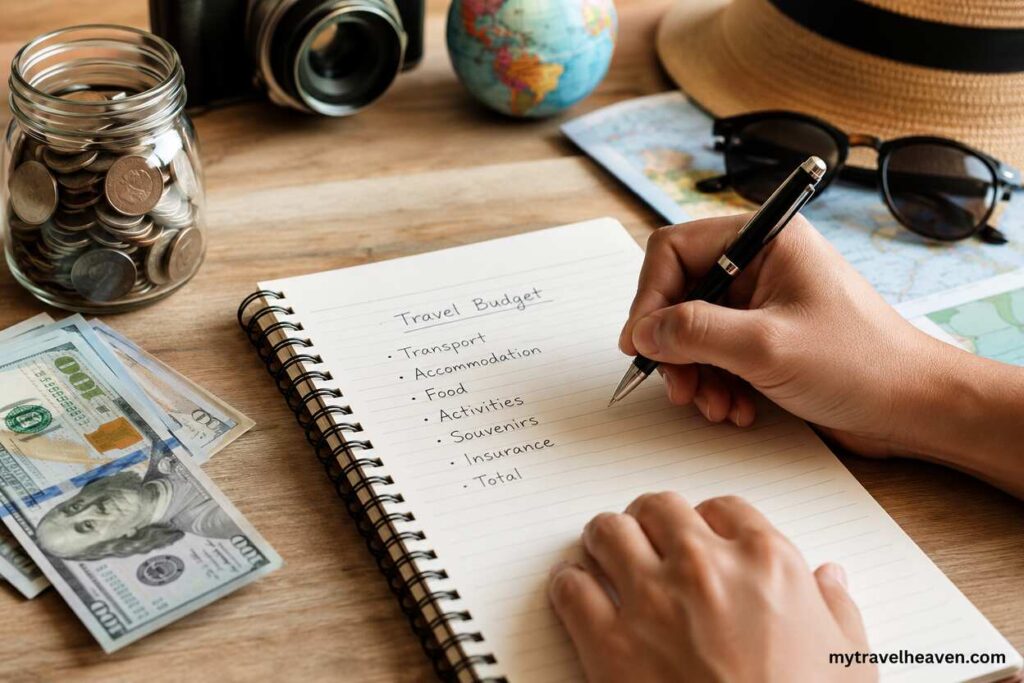
A realistic budget removes much of the fear associated with first-time travel. Many beginners either underestimate costs or assume travel is always expensive. A balanced travel budget helps you understand transportation expenses, accommodations, meals, activities, and emergency funds before you leave home.
Start by calculating your total available travel funds. Divide your budget into categories such as flights, hotels, local transportation, food, entertainment, travel insurance, and emergency savings. Budgeting apps, spreadsheets, and online travel calculators help organize expenses clearly. Keeping separate savings specifically for travel also prevents financial stress during the trip.
Budget travel does not mean sacrificing comfort or enjoyment. Hostels, guesthouses, budget airlines, public transportation, and free attractions significantly reduce costs. Traveling during off-peak seasons also lowers prices for accommodations and flights. Many beginner travelers discover they can afford more trips by focusing on experiences instead of luxury purchases.
Build Confidence With Small Trips First
Confidence develops through repetition and familiarity. Starting with short trips allows you to practice travel skills without major risks. A one-night stay in another city teaches booking management, packing organization, navigation, and transportation logistics in a low-pressure environment.
Weekend trips, road trips, and local tourism experiences help beginners become comfortable with planning and decision-making. You learn how early to arrive at transportation stations, how to check into accommodations, and how to manage schedules. These smaller experiences reduce anxiety before attempting longer journeys.
Each completed trip creates valuable personal knowledge. You begin understanding your travel preferences, energy levels, packing habits, and comfort zones. Some travelers enjoy detailed itineraries while others prefer flexibility. Small trips reveal these preferences naturally and improve future travel planning.
Learn How to Book Flights and Transportation
Transportation planning is one of the most intimidating parts of travel for beginners. Learning how flights, trains, buses, and local transit systems work makes travel far less stressful. Booking transportation becomes easier once you understand timing, pricing, and logistics.
Flight comparison platforms help identify affordable routes and schedules. Beginners should prioritize direct flights whenever possible because layovers increase complexity and the risk of delays. Reading baggage policies carefully prevents unexpected airport fees. Train and bus systems often provide cheaper alternatives for regional travel.
Transportation preparation also includes airport procedures, boarding passes, security checks, and arrival planning. Downloading maps, saving confirmation emails, and understanding local transportation options before arrival improves confidence significantly. Travelers who prepare transportation details in advance spend less time feeling confused or rushed.
Choose Safe and Comfortable Accommodations
Your accommodation strongly influences your overall travel experience. Beginners benefit from staying in safe, centrally located places with positive reviews and easy transportation access. Comfort and convenience are usually more important than finding the absolute cheapest option.
Hotels, hostels, vacation rentals, and guesthouses all offer different advantages. Hotels provide structure, privacy, and support services. Hostels create social opportunities and lower costs. Vacation rentals offer more independence and kitchen access. Reading verified guest reviews helps identify cleanliness, safety, and service quality.
Location matters more than many beginners realize. Staying near transportation hubs, restaurants, and attractions reduces navigation difficulties and transportation expenses. Safe neighborhoods with active tourism also improve comfort for solo travelers and first-time visitors.
Pack Only the Essentials
Overpacking is one of the most common mistakes new travelers make. Carrying too many items creates stress, increases baggage costs, and makes movement difficult. A focused packing strategy keeps travel simple and manageable.
Start with versatile clothing that matches the weather and activities at your destination. Neutral colors, lightweight fabrics, and comfortable shoes reduce unnecessary luggage. Important travel documents, medications, chargers, toiletries, and emergency contacts should remain easily accessible.
Packing efficiently also improves mobility during transportation changes, hotel check-ins, and city exploration. Many experienced travelers prefer carry-on luggage because it reduces waiting times and baggage complications. Learning to pack light early creates easier and more enjoyable travel experiences.
Organize Important Travel Documents
Travel documents are essential for smooth transportation, hotel access, and identity verification. Beginners should organize documents carefully before departure to avoid unnecessary problems during the trip.
Domestic travelers usually need government-issued identification, booking confirmations, payment cards, and emergency contacts. International travelers may require passports, visas, vaccination records, and travel insurance documents. Digital copies stored securely online provide backup protection if physical documents are lost.
Organization reduces panic during check-ins and transportation procedures. Using a travel folder, document organizer, or secure mobile storage system keeps information accessible when needed. Travelers who prepare documents early experience fewer last-minute issues and delays.
Use Technology to Simplify Travel
Modern technology makes travel easier than ever for beginners. Mobile applications help with navigation, booking management, translation, budgeting, transportation, and communication. Learning a few essential travel tools can dramatically improve confidence.
Map applications provide offline navigation in unfamiliar areas. Translation apps help communicate basic needs in different languages. Flight tracking tools send delay notifications and gate updates. Budget apps monitor spending and prevent overspending during trips.
Technology also improves safety and convenience. Cloud storage protects important documents, while messaging apps help travelers stay connected with family and friends. Many accommodations and airlines now use digital check-ins, making the travel process faster and more organized.
Understand Basic Travel Safety Practices
Travel safety becomes easier when you focus on awareness and preparation rather than fear. Most destinations are safe for tourists, especially when travelers follow common-sense precautions. Beginners often feel anxious because they consume too many worst-case travel stories online.
Protect valuables by keeping copies of important documents, avoiding isolated areas late at night, and using secure bags or money belts when necessary. Sharing itineraries with trusted contacts provides additional security. Learning emergency numbers and local safety guidelines also improves preparedness.
Situational awareness is one of the most valuable travel skills. Pay attention to surroundings, trust your instincts, and avoid displaying large amounts of cash or expensive valuables publicly. Safe travel habits become natural over time and reduce stress during future trips.
Travel Solo Without Feeling Overwhelmed
Solo travel may seem intimidating, but many beginners discover it builds confidence, independence, and personal growth quickly. Starting solo travel with structured plans and beginner-friendly destinations makes the experience much easier.
Choose accommodations with good reviews, active reception areas, and social opportunities if desired. Group tours, walking tours, and shared activities allow solo travelers to meet people without pressure. Planning transportation and accommodations in advance also reduces uncertainty.
Traveling alone teaches decision-making, adaptability, and self-reliance. You control your schedule, pace, and interests without needing group approval. Many travelers who begin with short solo trips eventually become highly confident independent travelers.
Learn How to Navigate Airports and Stations
Airports and transportation stations can feel confusing for first-time travelers because of security procedures, boarding systems, and time management requirements. Understanding the general process reduces stress dramatically.
Arrive early to allow time for check-in, security screening, and finding departure gates. Follow airport signs carefully and ask staff questions whenever necessary. Most transportation hubs are designed to guide travelers step by step through the process.
Preparation improves navigation confidence. Keep identification, tickets, and boarding passes easily accessible. Understand baggage restrictions before arrival. Download terminal maps if using large international airports. Travelers who stay calm and organized usually move through transportation systems without major issues.
Develop Smart Communication Habits
Communication challenges are common during travel, especially in unfamiliar regions or countries with different languages. Preparing communication tools and strategies in advance makes interactions smoother and less stressful.
Learn basic local phrases related to greetings, transportation, directions, food, and emergencies when traveling internationally. Translation applications help bridge communication gaps quickly. Polite body language, patience, and respectful attitudes often improve communication even without fluency.
Reliable internet access also supports communication. Local SIM cards, portable Wi-Fi devices, and international phone plans help travelers access maps, bookings, and emergency contacts. Staying connected reduces confusion and improves travel flexibility.
Create Flexible Travel Itineraries
Overloaded itineraries exhaust beginner travelers quickly. Trying to visit too many attractions in limited time creates stress and reduces enjoyment. A flexible schedule provides structure while allowing room for rest and spontaneous experiences.
Start by identifying your highest-priority activities, attractions, or experiences. Organize them based on location and transportation efficiency. Leave open time between activities to accommodate delays, weather changes, or unexpected discoveries.
Flexible travel planning improves overall satisfaction because it reduces pressure. Travelers often enjoy trips more when they can slow down, explore naturally, and adapt to changing circumstances. A balanced itinerary creates memorable experiences without constant rushing.
Save Money While Traveling
Affordable travel becomes easier when you understand practical cost-saving strategies. Many first-time travelers overspend because they book last-minute transportation, eat exclusively in tourist areas, or ignore budget-friendly alternatives.
Traveling during shoulder seasons often reduces flight and hotel costs significantly. Public transportation, local restaurants, and free attractions help maintain reasonable daily expenses. Booking flights and accommodations in advance also improves pricing options.
Smart spending creates more travel opportunities over time. Prioritizing meaningful experiences instead of unnecessary purchases allows travelers to explore more destinations within the same budget. Financial discipline during travel also prevents post-trip stress.
Build Travel Skills Through Research
Preparation reduces uncertainty and improves confidence for new travelers. Research helps you understand transportation systems, local customs, weather conditions, cultural expectations, and attraction schedules before arrival.
Travel blogs, video guides, tourism websites, and online communities provide practical information from experienced travelers. Researching neighborhoods, transportation routes, and local etiquette helps avoid confusion after arrival. Reading reviews also improves accommodation and activity selection.
Balanced research is important. Excessive planning can increase anxiety and unrealistic expectations. Focus on essential logistics, safety information, and key attractions while remaining open to unexpected experiences during the trip.
Manage Travel Anxiety and Fear
Travel anxiety is normal for beginners because unfamiliar situations naturally create uncertainty. Fear of getting lost, missing flights, or making mistakes often prevents people from traveling at all. Most travel fears decrease significantly after completing a few trips.
Preparation is one of the best ways to reduce anxiety. Organized bookings, saved directions, emergency contacts, and realistic itineraries create a sense of control. Practicing calming routines, arriving early, and allowing extra time also reduce stress.
Confidence grows through action rather than waiting for fear to disappear completely. Even experienced travelers encounter delays, confusion, and unexpected changes. Learning how to adapt calmly becomes one of the most valuable long-term travel skills.
Connect With Other Travelers
Meeting other travelers can make beginner travel more enjoyable and informative. Experienced travelers often share useful recommendations, safety tips, transportation advice, and local insights.
Hostels, group tours, social travel applications, and organized activities create natural opportunities for interaction. Cafes, coworking spaces, and walking tours also encourage conversations with travelers from different backgrounds.
Travel communities provide emotional support for beginners who feel uncertain or isolated. Shared experiences help normalize common travel challenges and encourage personal growth. Many long-term friendships begin during trips because travelers connect through shared adventures and curiosity.
Adapt to Different Cultures Respectfully
Cultural awareness improves travel experiences and reduces misunderstandings. Every destination has different social expectations related to clothing, behavior, communication, dining, and public interactions.
Researching local customs before arrival demonstrates respect and improves interactions with residents. Modest clothing may be appropriate in religious areas, while tipping expectations vary across countries and regions. Observing local behavior helps travelers adapt naturally.
Respectful travel creates better experiences for both visitors and local communities. Travelers who remain curious, patient, and open-minded often enjoy deeper cultural connections and more meaningful experiences.
Prepare for Unexpected Situations
Unexpected situations are part of travel, even for experienced travelers. Delayed flights, weather changes, lost luggage, transportation disruptions, and booking issues happen occasionally. Preparation and flexibility help manage these challenges effectively.
Travel insurance provides financial protection for medical emergencies, cancellations, and major disruptions. Emergency funds and backup payment methods also improve security during difficult situations. Keeping essential items in carry-on luggage reduces inconvenience if checked bags are delayed.
Adaptability is one of the most important travel skills. Travelers who remain calm and solution-focused usually recover from setbacks quickly. Many unexpected moments eventually become memorable stories and valuable learning experiences.
Turn Travel Into a Long-Term Lifestyle
Travel does not need to remain an occasional luxury experience. Many people gradually build lifestyles that include regular trips, remote work opportunities, budget travel routines, or location-independent careers.
Developing long-term travel habits starts with consistency. Saving small amounts monthly, collecting travel rewards, learning budgeting strategies, and improving planning skills create sustainable travel opportunities. Some travelers eventually transition into digital nomad lifestyles, seasonal travel routines, or international work experiences.
The more you travel, the easier planning becomes. Confidence, adaptability, and decision-making improve naturally with experience. Beginners who start with small practical steps often discover that travel becomes one of the most rewarding and educational parts of life.
Conclusion
Starting traveling with no experience is completely achievable when you focus on preparation, simplicity, and gradual confidence-building. You do not need expert knowledge, expensive equipment, or extreme adventures to become a capable traveler. Small trips, realistic budgets, organized planning, and flexible expectations create strong foundations for future travel experiences.
Begin with destinations that feel manageable, learn essential travel skills step by step, and allow yourself room to make mistakes and improve. Every experienced traveler was once uncertain about booking transportation, navigating airports, or exploring unfamiliar places. Confidence develops through action and experience.
Travel expands personal growth, cultural understanding, adaptability, and independence. Whether you start with a nearby weekend trip or an international vacation, the most important step is simply beginning. Each journey builds skills and memories that make future travel easier, more exciting, and more rewarding.
FAQs
How do I start traveling if I have never traveled before?
Start with short and simple trips close to home. Choose beginner-friendly destinations, create a realistic budget, book accommodations with good reviews, and plan transportation in advance. Small trips help build confidence and practical travel skills.
Is traveling alone safe for beginners?
Solo travel can be safe when you choose well-reviewed accommodations, stay aware of your surroundings, avoid risky areas, and share your itinerary with trusted contacts. Many beginners start with structured destinations or group tours before attempting more independent travel.
How much money do I need for my first trip?
The amount depends on your destination, trip length, and travel style. Budget-friendly domestic trips can be affordable with careful planning. Start by calculating transportation, accommodations, meals, activities, and emergency savings before booking anything.
What should first-time travelers pack?
Pack lightweight clothing, comfortable shoes, toiletries, medications, chargers, identification documents, and essential travel items. Avoid overpacking because carrying excessive luggage makes transportation and movement more difficult.
How can I reduce travel anxiety?
Preparation helps reduce anxiety significantly. Organize documents, research destinations, save maps offline, arrive early for transportation, and create flexible itineraries. Confidence grows naturally after completing a few trips.
Should beginners use travel agencies or plan trips independently?
Both options work well depending on comfort levels. Travel agencies and group tours provide structure and support, while independent planning offers flexibility and lower costs. Many beginners start with partially organized trips before planning everything themselves later.
