


Travel changes routines, perspectives, priorities, and personal identity. Many travelers begin a journey expecting relaxation or adventure, but they return with stronger confidence, new relationships, clearer goals, and a deeper understanding of the world. Every destination introduces different cultures, traditions, languages, and ways of thinking that challenge assumptions and reshape daily life.
Traveler stories often reveal how stepping away from familiar environments creates personal transformation. Some people discover new careers while traveling through Southeast Asia. Others rebuild emotional strength after difficult life events during solo trips across Europe or South America. Long-term travelers frequently develop adaptability, communication skills, and independence because unfamiliar environments require constant problem-solving.
This article explores real-life inspired traveler experiences and explains how travel influences personal growth, mental well-being, career direction, relationships, and life philosophy. Each section highlights practical lessons and emotional transformations that travelers commonly experience after exploring new places around the world.
Leave Familiar Routines Behind to Discover Personal Independence
Many travelers experience their first major personal breakthrough after leaving familiar routines. Daily habits at home often create predictable patterns that limit confidence and decision-making. Traveling alone or navigating unfamiliar destinations forces people to make choices independently. Booking transportation, communicating with locals, handling delays, and solving unexpected problems gradually build self-reliance.
A traveler named Sarah shared that her three-month backpacking trip across Thailand, Vietnam, and Indonesia transformed her ability to trust herself. Before traveling, she depended heavily on family and coworkers when making decisions. During her journey, she learned to negotiate transportation prices, plan routes, manage expenses, and adapt to changing conditions. By the end of her trip, she no longer feared uncertainty.
This type of independence often extends into everyday life after returning home. Travelers become more comfortable taking risks, changing careers, moving to new cities, or pursuing ambitious goals because they have already proven they can survive challenging situations abroad. Travel removes the illusion that comfort equals security and replaces it with confidence built through experience.
Build Stronger Human Connections Through Cultural Experiences
Travel introduces people to cultures, traditions, and communities that operate differently from their own environment. Shared meals, local festivals, public transportation conversations, and community activities create authentic human connections that rarely happen during ordinary routines.
A teacher from Canada described how volunteering at a community school in Peru changed her understanding of happiness and generosity. The families she met had fewer material possessions, yet they consistently shared food, time, and emotional support with neighbors and visitors. This experience shifted her focus away from consumerism and toward meaningful relationships.
Travelers frequently realize that people around the world share similar emotions, dreams, and struggles despite cultural differences. This understanding reduces prejudice and strengthens empathy. Exposure to diverse lifestyles helps travelers become more patient, open-minded, and respectful in both personal and professional relationships.
Cultural Experiences That Commonly Change Travelers
| Experience | Personal Impact | Long-Term Lesson |
|---|---|---|
| Staying with local families | Develops empathy and cultural understanding | Relationships matter more than possessions |
| Learning local customs | Increases respect for diversity | Adaptability improves communication |
| Trying unfamiliar foods | Encourages openness to new experiences | Curiosity reduces fear |
| Participating in festivals | Builds emotional connection with communities | Shared celebrations unite people |
| Volunteering abroad | Creates social awareness | Service builds gratitude |
Travel stories consistently show that meaningful interactions with people become more memorable than luxury hotels or expensive attractions. Human connection remains one of the most transformative aspects of travel.
Overcome Fear by Navigating Unfamiliar Situations
Fear limits many people before they begin traveling. Concerns about language barriers, safety, transportation, or loneliness prevent individuals from exploring unfamiliar destinations. However, travelers often discover that fear decreases after repeated exposure to uncertainty.
James, a software developer from the United Kingdom, explained that he suffered from severe social anxiety before taking a solo train journey across Europe. Initially, he struggled to ask strangers for directions or interact with hostel guests. Over several weeks, repeated conversations with travelers and locals improved his communication confidence. He returned home feeling more socially capable than he had in years.
Travel naturally creates situations that require courage. Missing flights, navigating foreign transit systems, handling lost luggage, or adapting to unexpected weather conditions teach emotional resilience. Each successful experience reduces fear and increases confidence.
Many travelers later apply these lessons to professional environments. Public speaking, networking, leadership, and career transitions become less intimidating because travel has already conditioned them to face uncertainty directly.
Redefine Career Goals Through International Experiences
Travel often changes professional direction by exposing individuals to new industries, lifestyles, and opportunities. Many people realize during extended trips that their previous career path no longer aligns with their values or interests.
A corporate accountant named Daniel traveled through Australia and New Zealand after feeling burned out from long office hours. During the trip, he worked temporarily on eco-tourism farms and discovered a passion for sustainability and environmental education. Within two years of returning home, he left corporate finance and launched a travel-based environmental consulting business.
Exposure to digital nomads, entrepreneurs, artists, tour operators, language teachers, and remote workers frequently inspires travelers to reconsider traditional employment structures. Travel demonstrates that successful careers can exist outside conventional office environments.
Remote work technology has also expanded opportunities for location-independent lifestyles. Travelers increasingly combine freelance work, content creation, consulting, and online businesses while exploring multiple countries.
Career Changes Inspired by Travel
| Previous Career | Travel Experience | New Direction |
| Corporate Accountant | Eco-tourism work in New Zealand | Sustainability Consultant |
| Office Administrator | Hostel volunteering in Spain | Travel Blogger |
| Marketing Executive | Cultural tours in Japan | International Tour Planner |
| Teacher | Language immersion in South Korea | Online Language Coach |
| Engineer | Adventure travel in Patagonia | Outdoor Expedition Guide |
These transitions demonstrate how travel expands awareness of alternative lifestyles and career possibilities. Exposure to global perspectives encourages people to prioritize fulfillment alongside financial stability.
Improve Mental Health Through Exploration and Reflection
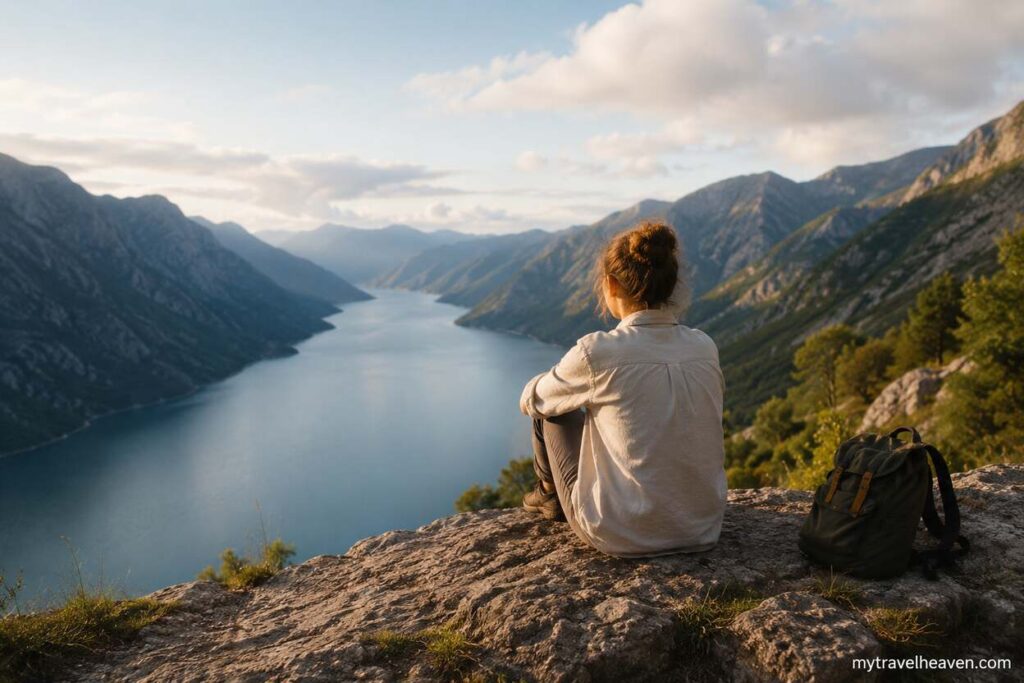
Travel creates mental distance from stress, burnout, and repetitive environments. New surroundings stimulate curiosity and encourage mindfulness because travelers pay closer attention to experiences, landscapes, sounds, and interactions.
A woman recovering from emotional exhaustion after years of workplace pressure described how hiking across northern Italy restored her sense of peace. Without constant notifications, deadlines, and social pressure, she finally had time to reflect on her emotional needs. Daily walks through mountains and small villages helped her reconnect with simple routines like reading, journaling, and conversation.
Nature-based travel experiences frequently improve emotional well-being. Beaches, forests, mountains, and countryside destinations reduce mental fatigue while encouraging relaxation and reflection. Travelers often report lower stress levels and greater emotional clarity after spending extended time outdoors.
Travel also interrupts negative thought patterns. New experiences redirect attention toward learning and observation instead of repetitive anxiety. Meeting new people and adapting to unfamiliar settings stimulate mental flexibility and emotional resilience.
Develop Adaptability Through Constant Problem-Solving
Travel rarely follows a perfect schedule. Delayed flights, weather disruptions, transportation confusion, language misunderstandings, and accommodation issues regularly challenge travelers. Although these situations feel stressful initially, they strengthen adaptability over time.
Maria, a student from Argentina, recalled arriving in Morocco without confirmed accommodation after a booking error. Instead of panicking, she asked local shop owners for recommendations and eventually stayed with a welcoming family-run guesthouse. The experience taught her to remain calm during uncertainty and trust her ability to solve problems.
Adaptability becomes one of the most valuable long-term skills travelers develop. Flexible thinking improves workplace performance, relationships, and emotional stability. Travelers learn that setbacks rarely destroy experiences completely. Instead, challenges often create unexpected opportunities and memorable stories.
This mindset shift changes how individuals respond to future difficulties. Instead of fearing disruption, experienced travelers become more resourceful and solution-oriented.
Expand Worldviews by Experiencing Different Lifestyles
Travel exposes individuals to social systems, traditions, economic conditions, and lifestyles that differ dramatically from their home environment. This exposure challenges assumptions about success, happiness, education, family, and community.
A traveler visiting Scandinavian countries noticed how work-life balance influenced overall happiness and public well-being. Seeing shorter workweeks, extensive parental leave, and strong public spaces caused him to reconsider his own priorities regarding career ambition and personal fulfillment.
Another traveler who spent time in rural Nepal explained how local communities relied heavily on cooperation and shared responsibility. This experience changed her understanding of independence and reminded her that collective support often creates stronger communities.
Exposure to different cultures encourages critical thinking. Travelers begin questioning social norms they previously accepted automatically. This process often results in more intentional decision-making about relationships, careers, consumption habits, and personal values.
Create Lifelong Memories Through Meaningful Adventures
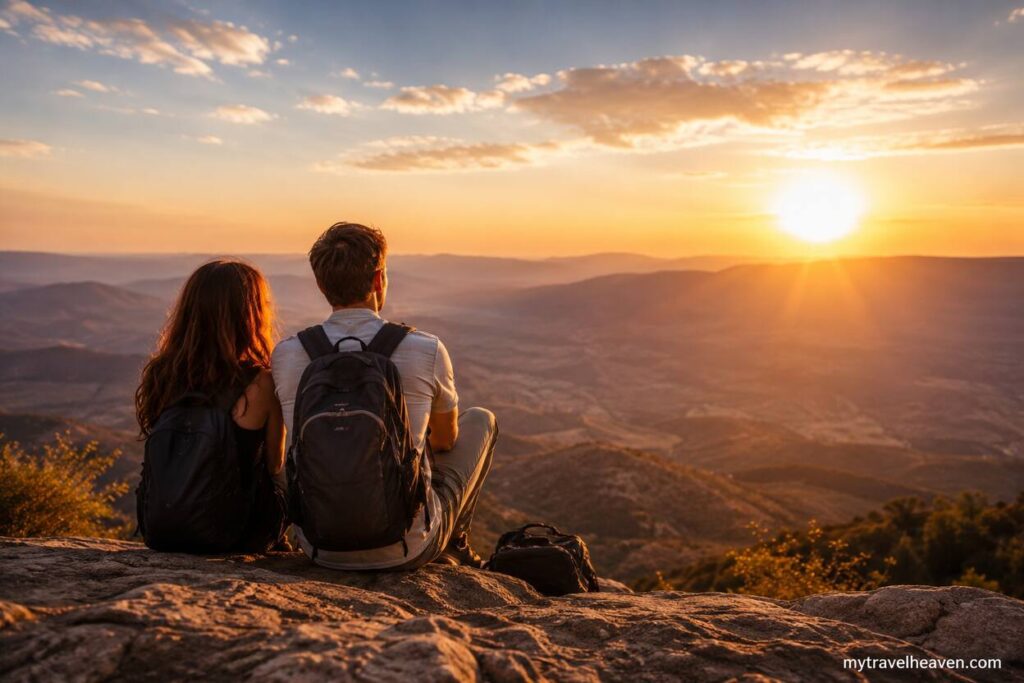
Travel memories remain emotionally powerful because they combine novelty, emotion, and personal growth. First-time experiences create strong psychological impressions that remain vivid for years.
A couple who traveled through Iceland described watching the northern lights during a winter road trip as one of the most emotional moments of their lives. Another traveler remembered learning traditional cooking techniques from a grandmother in Vietnam more clearly than any expensive tourist attraction.
Meaningful travel experiences frequently involve simple moments rather than luxury. Watching sunsets with strangers, sharing meals with local families, hiking remote trails, or getting lost in historic neighborhoods often become the most memorable parts of a journey.
These memories influence future perspectives and priorities. Travelers begin valuing experiences over material possessions because emotional fulfillment from exploration tends to last longer than temporary consumer satisfaction.
Strengthen Relationships Through Shared Journeys
Travel challenges communication, patience, teamwork, and emotional understanding within relationships. Couples, families, and friends often discover both strengths and weaknesses while navigating unfamiliar environments together.
A married couple explained that a six-week road trip across the United States improved their communication because constant planning required collaboration and compromise. Navigating long drives, budget decisions, and schedule changes helped them understand each other’s stress responses and emotional needs more clearly.
Family travel also creates shared memories that strengthen emotional bonds across generations. Children who travel internationally often develop greater cultural awareness, curiosity, and adaptability from a young age.
Friendships formed during travel can become surprisingly meaningful because travelers often connect during emotionally open and adventurous moments. Hostels, group tours, volunteer projects, and hiking trips regularly create lifelong friendships across countries and cultures.
Discover Simplicity by Living With Less
Many travelers begin long-term trips carrying only essential belongings. Living from a backpack or suitcase often changes attitudes toward material possessions and consumer habits.
A traveler who spent eight months backpacking across South America explained that she realized most of her belongings at home added stress rather than happiness. Constantly carrying limited items taught her to prioritize practicality, comfort, and meaningful experiences instead of excessive shopping.
Minimalist travel encourages intentional living. Travelers become more conscious of spending habits, emotional attachment to possessions, and the difference between needs and wants.
This perspective frequently continues after returning home. Some travelers downsize living spaces, reduce unnecessary purchases, or focus more heavily on experiences such as learning, outdoor activities, and relationships.
Gain Appreciation for Home Through Distance and Perspective
Travel not only changes how people view foreign destinations but also how they perceive their own homes, cultures, and communities. Distance creates perspective.
A student studying abroad in France explained that living overseas increased her appreciation for family traditions, local food, and cultural customs from her home country. Experiences abroad helped her recognize aspects of home she had previously ignored.
Travelers often return with greater gratitude for infrastructure, safety, healthcare, community support, or personal relationships available in their home environment. At the same time, exposure to other countries may inspire positive lifestyle changes based on lessons learned abroad.
This balanced perspective encourages deeper self-awareness. Travelers become more intentional about preserving meaningful traditions while remaining open to new ideas and improvements.
Embrace Solo Travel to Build Emotional Strength
Solo travel creates unique opportunities for self-reflection and emotional growth because travelers spend extended time alone with their thoughts, decisions, and experiences.
A woman who traveled solo through Portugal after a difficult breakup explained that the journey helped her rebuild emotional confidence. Exploring coastal towns, meeting travelers, and managing challenges independently reminded her that she could create happiness without relying on external validation.
Solo travelers often become more observant and socially engaged because they interact more frequently with strangers. Without familiar companions, they rely on personal initiative to create experiences and conversations.
Emotional strength developed during solo travel frequently carries into other areas of life. Travelers become more comfortable with independence, uncertainty, and personal responsibility.
Learn Patience Through Slow and Intentional Exploration
Fast-paced tourism can create exhaustion rather than fulfillment. Many experienced travelers eventually shift toward slower, more intentional travel styles that prioritize deeper cultural immersion and emotional presence.
A digital nomad living temporarily in small towns across Italy explained that staying longer in each location allowed him to build routines, recognize local faces, and understand community rhythms. Instead of rushing between attractions, he focused on language learning, local markets, and neighborhood relationships.
Slow travel encourages patience and mindfulness. Travelers begin appreciating ordinary moments such as morning coffee in a local café, conversations with shop owners, or evening walks through quiet streets.
This approach often changes personal habits permanently. Travelers who embrace slow exploration frequently become less obsessed with productivity and more focused on quality experiences and emotional balance.
Turn Travel Experiences Into Creative Inspiration
Travel stimulates creativity because unfamiliar environments expose individuals to new architecture, music, food, landscapes, languages, and artistic traditions. Writers, photographers, filmmakers, musicians, and entrepreneurs often find fresh inspiration while exploring new destinations.
A photographer visiting Morocco described how local markets, desert landscapes, and traditional textiles completely changed his visual style. Another traveler explained that conversations with artists in Mexico City inspired her to launch a handmade design business after returning home.
Creative inspiration from travel often emerges through observation. Exposure to diverse aesthetics and storytelling traditions broadens artistic imagination and encourages experimentation.
Many successful creative projects originate from travel experiences because journeys provide emotional depth, visual variety, and human stories that resonate strongly with audiences.
Use Travel Challenges to Build Confidence and Resilience
Travel includes uncertainty, discomfort, and unpredictability. These experiences may involve language barriers, missed connections, financial pressure, cultural misunderstandings, or physical exhaustion. Despite these difficulties, overcoming travel-related challenges often creates lasting confidence.
A traveler stranded overnight at an unfamiliar airport in Turkey described how the experience taught him to stay calm under pressure. Instead of panicking, he communicated with airport staff, adjusted his plans, and eventually reached his destination safely. The experience increased his trust in his own judgment.
Resilience develops when travelers repeatedly adapt to changing conditions. Problem-solving becomes faster, emotional reactions become more balanced, and confidence grows through experience.
This resilience extends beyond travel. Individuals who navigate complex journeys often become more capable leaders, communicators, and decision-makers in professional and personal environments.
Conclusion
Travel changes lives because it transforms perspective, behavior, confidence, and emotional understanding. Traveler stories consistently reveal that exploration creates far more than temporary entertainment. Journeys introduce independence, resilience, empathy, creativity, and deeper appreciation for human connection.
Whether someone backpacks across continents, volunteers abroad, studies overseas, or takes short cultural trips, travel expands awareness of both the world and the self. New environments challenge assumptions, encourage adaptability, and inspire intentional living.
The most meaningful travel experiences are rarely defined by luxury or social media images. Instead, transformation usually comes from conversations with strangers, unexpected challenges, cultural immersion, and moments of reflection. Travelers return home carrying not only photographs and souvenirs but also stronger confidence, broader perspectives, and unforgettable memories that continue shaping their lives for years.
FAQs
How does travel change a person emotionally?
Travel increases emotional resilience, confidence, empathy, and self-awareness. New environments challenge comfort zones and encourage personal growth through unfamiliar experiences.
Can solo travel improve confidence?
Yes. Solo travel requires independent decision-making, communication, and problem-solving. These experiences strengthen confidence and emotional independence.
Why do travelers often change careers after traveling?
Travel exposes people to different lifestyles, industries, and priorities. Many travelers discover new passions or realize their previous careers no longer align with their personal goals.
How does travel improve mental health?
Travel reduces routine stress, encourages mindfulness, and introduces positive experiences that improve emotional well-being. Nature, cultural immersion, and reflection often support mental recovery.
What skills do people develop while traveling?
Travelers commonly develop adaptability, communication skills, cultural awareness, patience, budgeting ability, emotional resilience, and problem-solving skills.
Why are travel memories so powerful?
Travel experiences combine strong emotions, novelty, personal growth, and sensory experiences. These factors create vivid memories that remain meaningful for many years.
