

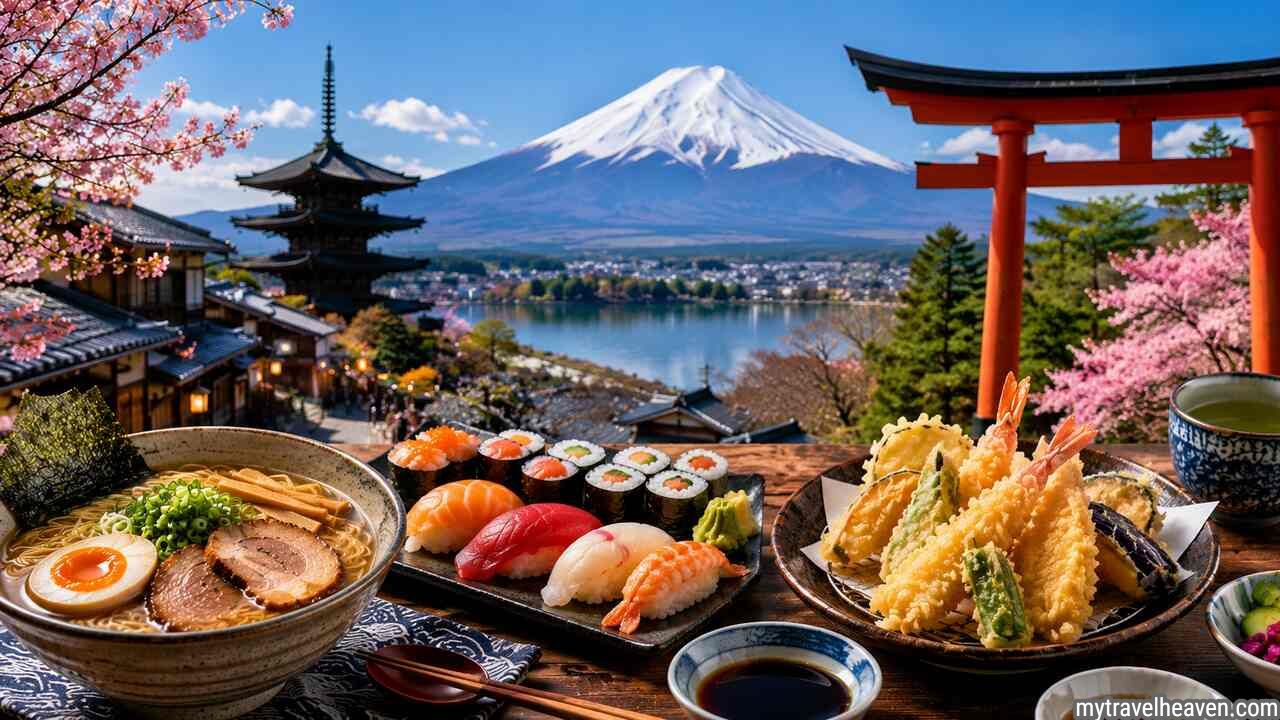
Japan offers one of the world’s most immersive food cultures. Every region presents distinct ingredients, preparation styles, seasonal traditions, and dining customs that reflect local history and geography. From sushi counters in Tokyo to ramen alleys in Fukuoka and kaiseki dining in Kyoto, travelers can explore thousands of culinary experiences within a single trip.
Food in Japan connects directly to transportation systems, local markets, farming traditions, seafood culture, tea ceremonies, and hospitality practices. Travelers who understand regional specialties, dining etiquette, reservation systems, and seasonal ingredients can experience the country more deeply while avoiding common mistakes. This guide covers the essential destinations, dishes, restaurants, markets, street foods, and practical travel strategies that help food-focused travelers navigate Japan efficiently.
Plan Your Food-Focused Japan Itinerary
A successful culinary trip to Japan starts with selecting regions based on food specialties rather than only tourist landmarks. Tokyo offers the country’s widest restaurant selection, Osaka focuses on street food and casual dining, Kyoto preserves traditional Japanese cuisine, Hokkaido specializes in seafood and dairy products, while Fukuoka is famous for tonkotsu ramen and yatai stalls.
Travelers should balance major cities with regional destinations to experience both refined dining and local specialties. A two-week itinerary often includes Tokyo, Kyoto, Osaka, and one regional area such as Hokkaido, Kanazawa, Hiroshima, or Fukuoka. Japan’s rail network allows efficient movement between food destinations through the Shinkansen system.
Seasonal timing also affects the culinary experience. Spring brings sakura-themed desserts and fresh bamboo shoots. Summer highlights unagi, cold noodles, and festival foods. Autumn introduces matsutake mushrooms, chestnuts, and premium seafood. Winter focuses on hot pot dishes, crab, oysters, and warming ramen bowls. Matching the itinerary to seasonal ingredients improves both restaurant quality and local authenticity.
Explore Tokyo’s Sushi and Fine Dining Districts
Tokyo contains more Michelin-starred restaurants than any other city in the world, but exceptional food exists at every budget level. Areas such as Ginza, Shinjuku, Shibuya, Asakusa, and Tsukiji provide different culinary experiences ranging from luxury omakase counters to affordable standing sushi bars.
Travelers interested in sushi should understand the difference between conveyor-belt sushi, neighborhood sushi shops, and high-end omakase experiences. Conveyor-belt restaurants focus on affordability and convenience. Mid-range sushi shops balance quality with accessibility. Omakase restaurants allow chefs to select seasonal fish and serving order based on freshness and texture.
Tokyo also excels in ramen specialization. Shoyu ramen dominates many central neighborhoods, while tsukemen dipping noodles and rich tonkotsu varieties appear throughout the city. Department store food halls, known as depachika, provide another important culinary experience by showcasing premium sweets, bento boxes, seafood, and artisanal ingredients.
Travelers should reserve popular restaurants weeks in advance, especially for sushi and kaiseki dining. Many small establishments have limited seating and strict reservation policies. Hotel concierge services often help international visitors secure bookings.
Experience Osaka’s Street Food Culture
Osaka has earned the reputation of Japan’s kitchen because of its energetic street food scene and casual dining traditions. The city encourages relaxed eating habits and emphasizes flavorful comfort foods that differ from Tokyo’s refined presentation-focused culture.
Dotonbori serves as the center of Osaka’s street food environment. Visitors can sample takoyaki filled with octopus, crispy kushikatsu skewers, savory okonomiyaki pancakes, and grilled seafood while walking through brightly illuminated streets. Shinsekai preserves an older atmosphere with nostalgic eateries and traditional drinking establishments.
Local dining etiquette in Osaka tends to feel more informal compared to Kyoto or upscale Tokyo restaurants. Food portions are often larger, flavors stronger, and prices more accessible. Travelers can comfortably explore multiple dishes in one evening without spending excessively.
Okonomiyaki restaurants provide an interactive dining experience where ingredients such as cabbage, pork belly, shrimp, noodles, and sauces cook directly on a hot griddle. Some establishments allow customers to cook independently, while others prepare dishes at the table.
Discover Traditional Cuisine in Kyoto
Kyoto preserves many of Japan’s classical culinary traditions through temple cuisine, tea ceremonies, kaiseki dining, and seasonal sweets. The city values subtle flavors, elegant presentation, and ingredient seasonality over heavy seasoning or large portions.
Kaiseki represents the highest expression of Japanese seasonal dining. Multi-course meals emphasize texture, temperature, color, and balance using ingredients sourced according to the time of year. Typical courses include sashimi, simmered dishes, grilled fish, soups, pickled vegetables, and carefully designed desserts.
Travelers should also explore Kyoto’s tea culture through matcha cafes and traditional tea houses in Gion and Uji. Wagashi sweets pair with bitter green tea and often reflect seasonal themes such as cherry blossoms, maple leaves, or winter snow imagery.
Temple cuisine known as shojin ryori offers another important experience. Buddhist vegetarian meals use tofu, mountain vegetables, sesame, miso, and seasonal produce to create deeply balanced flavors without meat or seafood. Many temples in Kyoto provide dining experiences connected to meditation and spiritual practices.
Taste Regional Ramen Styles Across Japan
Japan’s ramen culture varies significantly by region, broth preparation, noodle texture, and toppings. Travelers who move beyond standard tourist ramen shops can experience highly localized culinary traditions that reflect climate and regional agriculture.
Fukuoka specializes in tonkotsu ramen made from pork-bone broth simmered for long periods until creamy and rich. Sapporo in Hokkaido focuses on miso ramen topped with butter, corn, and hearty vegetables suitable for cold winters. Tokyo commonly serves shoyu ramen with clear soy-based broth, while Kitakata is known for curly noodles and lighter soups.
Ramen shops often specialize in a single style perfected over decades. Many restaurants use ticket vending machines at the entrance. Customers purchase meal tickets before sitting down, then hand the ticket to staff members.
Late-night ramen culture also forms an important part of Japanese urban life. Business districts and entertainment neighborhoods frequently contain small noodle shops serving workers, tourists, and nightlife crowds after midnight.
Visit Seafood Markets and Local Fish Auctions
Japan’s seafood industry supplies some of the freshest fish in the world, making seafood markets essential destinations for culinary travelers. Markets provide opportunities to observe ingredient sourcing, seasonal species, and local dining traditions.
Tokyo’s Toyosu Market replaced the historic Tsukiji inner wholesale market while preserving tuna auctions and professional seafood operations. The outer market area near Tsukiji still contains numerous sushi shops, knife stores, tea vendors, and seafood stalls popular with tourists.
Hokkaido’s seafood markets specialize in crab, sea urchin, scallops, salmon roe, and squid. Kanazawa’s Omicho Market offers regional shellfish and fresh sushi bowls, while coastal fishing towns throughout Japan provide highly localized seafood experiences.
Travelers should arrive early for the best market atmosphere. Morning visits allow access to fresh seafood breakfasts and active vendor operations. Many markets become crowded by midday, especially during weekends and holiday periods.
Proper market etiquette matters. Visitors should avoid blocking walkways, touching seafood without permission, or interrupting vendors during active sales. Photography policies differ between locations, particularly around auctions.
Enjoy Japanese Convenience Store Food
Japanese convenience stores provide surprisingly high-quality meals that help travelers save money while experiencing local products. Chains such as 7-Eleven, Lawson, and FamilyMart sell rice balls, sandwiches, noodles, fried chicken, desserts, and seasonal drinks prepared to standards far above many international convenience stores.
Onigiri rice balls remain one of the most practical travel foods in Japan. Fillings include salmon, tuna mayonnaise, pickled plum, cod roe, and kombu seaweed. Bento lunch boxes offer balanced meals suitable for train travel and busy sightseeing days.
Convenience stores also support dietary flexibility. Travelers can purchase fresh fruit, salads, yogurt, coffee, and hot meals throughout the day. Many locations contain microwaves, hot water stations, and seating areas.
Seasonal product rotations reflect Japanese consumer culture. Limited-edition desserts, sakura beverages, regional snacks, and collaboration items appear constantly. Trying convenience store exclusives becomes part of the travel experience itself.
Learn Japanese Dining Etiquette Before Traveling
Understanding Japanese dining etiquette improves interactions with restaurant staff and demonstrates respect for local customs. While most establishments welcome international travelers warmly, following basic etiquette helps avoid misunderstandings.
Travelers should say “itadakimasu” before meals and “gochisousama deshita” after finishing when appropriate. Chopsticks should never stand vertically in rice because the gesture resembles funeral rituals. Passing food directly from chopsticks to chopsticks should also be avoided.
Slurping noodles is generally acceptable and often signals enjoyment. However, speaking loudly inside small restaurants may disturb other diners. Many ramen shops encourage quick eating due to limited seating capacity.
Cash remains important in smaller establishments despite growing card acceptance. Travelers should carry yen for local restaurants, market stalls, and vending machines. Tipping is uncommon in Japan and may create confusion.
Ride the Shinkansen for Regional Food Adventures
Japan’s high-speed rail system allows food travelers to explore multiple culinary regions efficiently. The Shinkansen connects major cities with remarkable punctuality, comfort, and convenience.
Ekiben train station bento boxes represent an important part of rail travel culture. Each region creates specialty bento meals featuring local seafood, meats, vegetables, and cooking traditions. Travelers often purchase ekiben before boarding long-distance trains.
Japan Rail Pass options can reduce transportation costs for international visitors planning extensive intercity travel. However, travelers should compare individual ticket prices before purchasing passes because regional itineraries may not always justify the expense.
Train stations themselves function as culinary destinations. Large stations in Tokyo, Osaka, Kyoto, and Nagoya contain extensive restaurant floors, bakeries, dessert counters, ramen streets, and specialty souvenir shops.
Stay in Ryokan Inns for Authentic Meals
Traditional ryokan inns combine Japanese hospitality with carefully prepared regional cuisine. Many ryokan stays include breakfast and dinner featuring seasonal ingredients sourced from nearby farms, mountains, or fishing ports.
Ryokan dinners often resemble kaiseki meals with multiple small dishes presented in sequence. Guests may encounter local specialties unavailable in larger cities, including freshwater fish, mountain vegetables, regional pickles, and handcrafted desserts.
Breakfasts differ significantly from Western hotel buffets. Typical meals include grilled fish, rice, miso soup, pickled vegetables, tofu, egg dishes, and green tea. Travelers unfamiliar with traditional breakfasts may initially find the experience surprising but culturally valuable.
Hot spring towns such as Hakone, Beppu, Kinosaki, and Kusatsu combine thermal bathing culture with local culinary traditions. Regional ingredients frequently appear in both dining and souvenir offerings.
Explore Japanese Sweets and Dessert Culture
Japanese desserts emphasize texture, subtle sweetness, and seasonal presentation. Traditional sweets differ substantially from Western desserts by incorporating ingredients such as red bean paste, mochi rice cakes, matcha, chestnuts, black sugar, and agar jelly.
Wagashi sweets often accompany tea ceremonies and seasonal festivals. Designs change throughout the year to reflect flowers, landscapes, weather patterns, and cultural celebrations. Kyoto remains one of the best cities for experiencing traditional confectionery craftsmanship.
Modern Japanese desserts blend European pastry techniques with local ingredients. Tokyo cafes serve matcha tiramisu, soufflé pancakes, parfaits, and elaborate fruit sandwiches. Convenience stores also release seasonal desserts that attract strong consumer interest.
Regional specialties provide additional culinary diversity. Hokkaido is known for dairy-based sweets and soft serve ice cream, while Hiroshima produces maple leaf-shaped momiji manju cakes. Travelers can use dessert exploration as a gateway into local culture.
Navigate Food Allergies and Dietary Preferences
Travelers with dietary restrictions should prepare carefully before visiting Japan because ingredients such as fish stock, soy sauce, sesame, and shellfish appear frequently across many dishes.
Vegetarian and vegan dining options continue expanding in cities such as Tokyo, Kyoto, and Osaka. Dedicated restaurants now provide plant-based ramen, sushi alternatives, curry, and traditional temple cuisine. However, travelers should verify broth ingredients because many seemingly vegetarian dishes contain fish-based dashi.
Food allergy cards translated into Japanese help communicate restrictions clearly. Travelers with severe allergies should research restaurants in advance and avoid relying solely on verbal explanations during busy service hours.
Gluten-free dining can be challenging due to soy sauce usage and shared cooking surfaces. Convenience stores and supermarkets sometimes offer ingredient labels useful for checking allergens. International hotel restaurants may also accommodate specialized dietary requirements more easily.
Shop for Culinary Souvenirs and Kitchen Tools
Japan offers exceptional culinary souvenirs ranging from regional snacks to professional-grade kitchen equipment. Department stores, markets, and specialty shops provide opportunities to purchase products difficult to find internationally.
Japanese kitchen knives attract chefs and food enthusiasts worldwide. Areas such as Tokyo’s Kappabashi Street and Osaka’s Doguyasuji Arcade specialize in knives, ceramics, chopsticks, cookware, and restaurant tools.
Regional snack souvenirs known as omiyage form an important cultural practice. Train stations and airports sell beautifully packaged sweets, crackers, teas, and local specialties designed for gift-giving.
Travelers interested in tea culture can purchase matcha powder, teapots, whisk sets, and ceramics from Kyoto and Uji. Sake breweries throughout Japan also sell regional rice wines with distinct flavor profiles influenced by water quality and brewing traditions.
Budget for Food Experiences Across Japan
Japan accommodates nearly every travel budget, allowing visitors to enjoy excellent meals without necessarily spending excessively. Budget travelers can eat well through ramen shops, convenience stores, conveyor-belt sushi restaurants, and lunch specials.
Mid-range dining often provides exceptional value. Set meals known as teishoku include rice, soup, protein, and side dishes at reasonable prices. Department store restaurants and neighborhood izakaya pubs also balance quality with affordability.
Luxury dining experiences require advance planning and larger budgets. Omakase sushi counters, premium wagyu restaurants, and elite kaiseki establishments may cost hundreds of dollars per meal. Travelers should reserve these experiences selectively based on culinary priorities.
Lunch frequently costs less than dinner for equivalent restaurant quality. Many high-end restaurants offer reduced-price lunch menus that provide access to premium cuisine at more accessible rates.
Capture Food Photography Respectfully
Food photography remains popular throughout Japan, but travelers should remain aware of restaurant policies and customer privacy. Many establishments allow photographs of meals while discouraging images of staff members or other diners.
Small sushi bars and intimate kaiseki restaurants may prefer limited photography to maintain atmosphere and concentration. Asking politely before taking photos demonstrates respect for the dining environment.
Lighting conditions vary significantly between restaurants. Department stores, markets, and cafes often provide excellent lighting for food images, while traditional establishments may emphasize dim and atmospheric interiors.
Travelers should avoid excessive staging or prolonged photography sessions during busy meal periods. Japanese dining culture generally values efficiency and consideration for surrounding guests.
Conclusion
Japan rewards travelers who approach food as both a cultural experience and a regional exploration. Every destination contributes unique ingredients, cooking techniques, traditions, and dining customs that reflect local identity. Tokyo introduces culinary diversity and precision, Osaka celebrates energetic street food culture, Kyoto preserves refined traditional cuisine, while regional destinations reveal specialized dishes impossible to experience elsewhere.
A successful foodie journey through Japan combines preparation with curiosity. Travelers who learn dining etiquette, explore seasonal ingredients, use regional transportation efficiently, and remain open to unfamiliar flavors gain a much deeper understanding of Japanese culture. Whether enjoying ramen in a tiny alleyway, tasting fresh seafood at a morning market, or participating in a multi-course kaiseki dinner, food becomes one of the most memorable aspects of traveling through Japan.
FAQs
How much money should I budget for food in Japan?
Budget travelers can spend around $20–40 per day using convenience stores, ramen shops, and affordable restaurants. Mid-range travelers often spend $50–120 daily, while luxury dining experiences can increase costs substantially.
Which city in Japan is best for food lovers?
Tokyo offers the widest restaurant variety, Osaka provides the best street food culture, and Kyoto delivers the strongest traditional dining experiences. Many travelers combine all three cities for a balanced culinary trip.
Is it difficult for vegetarians to travel in Japan?
Vegetarian travel has become easier in major cities due to increasing plant-based restaurants. However, many dishes still contain fish-based broth, so travelers should verify ingredients carefully.
When is the best season for a food trip to Japan?
Autumn is often considered the best season because of mushrooms, seafood, chestnuts, and comfortable weather. Winter is excellent for ramen, crab, oysters, and hot pot dishes.
Do I need restaurant reservations in Japan?
Reservations are highly recommended for famous sushi restaurants, kaiseki establishments, and fine dining venues. Casual restaurants and ramen shops usually operate without reservations.
What foods should first-time visitors try in Japan?
First-time visitors should experience sushi, ramen, tempura, okonomiyaki, yakitori, wagyu beef, udon noodles, onigiri, matcha desserts, and regional specialties unique to each destination.
