

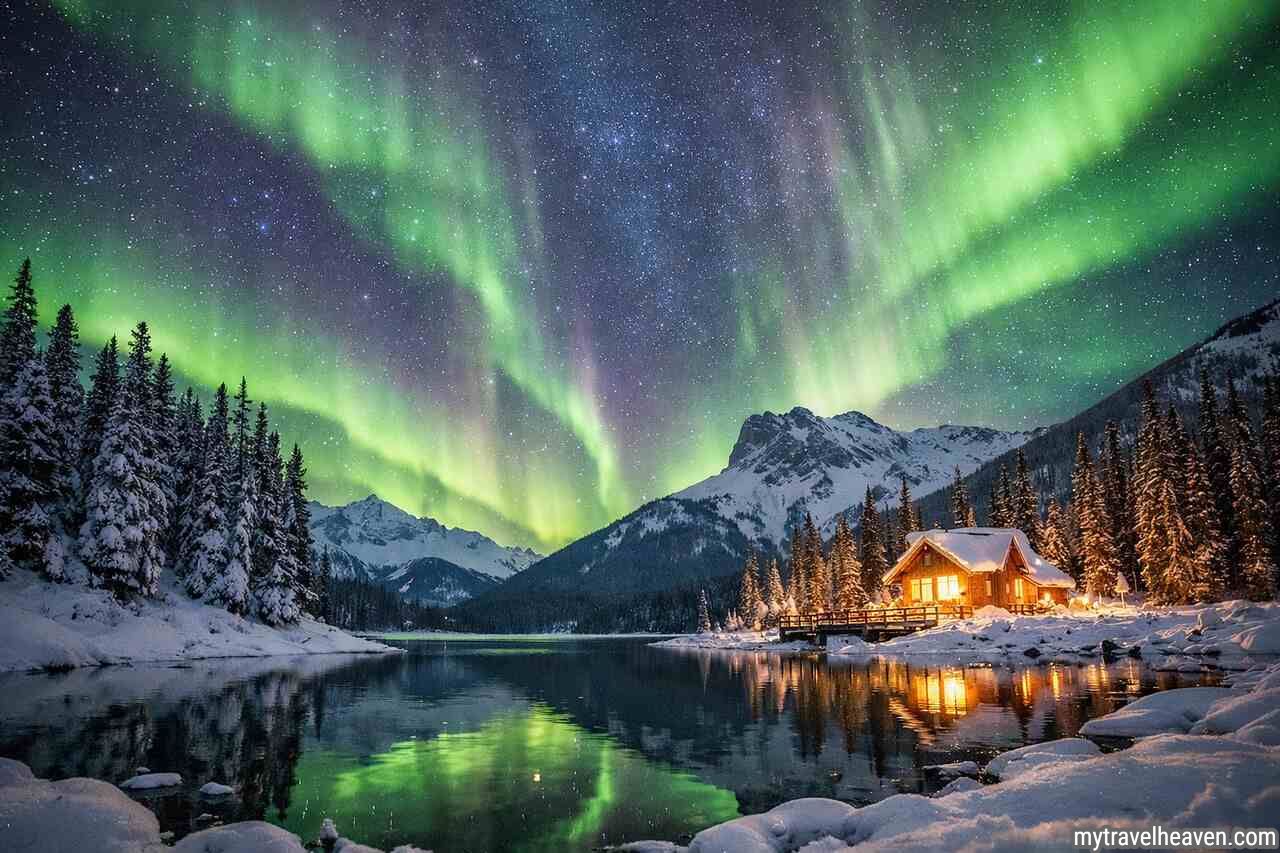
The Northern Lights, scientifically known as the Aurora Borealis, represent one of the most breathtaking natural displays on Earth. These shimmering waves of green, purple, and pink light occur when charged particles from the sun interact with Earth’s magnetic field. Travelers across the globe seek out the best locations to witness this phenomenon, combining adventure, geography, and timing to maximize their chances.
This guide presents the best places to see the Northern Lights, offering practical steps, location-specific insights, and essential planning details. Whether you prefer Arctic wilderness, cozy Nordic towns, or remote Canadian landscapes, this article will help you plan an unforgettable aurora-viewing journey.
Choose Destinations Within the Aurora Zone
The best Northern Lights sightings occur within a region known as the “auroral oval,” which spans high-latitude areas close to the Arctic Circle. This zone includes parts of Norway, Sweden, Finland, Iceland, Canada, and Alaska, where geomagnetic activity is strongest.
Travelers should prioritize destinations between 65° and 75° north latitude. Locations such as Tromsø, Reykjavík, and Fairbanks fall squarely within this range, making them highly reliable for aurora visibility.
These regions also provide diverse landscapes such as fjords, tundra, forests, and frozen lakes. The combination of geographic positioning and natural scenery enhances both visibility and the overall experience.
Visit Tromsø for Arctic Accessibility and Frequent Sightings
Tromsø offers one of the most accessible and reliable Northern Lights experiences. Located well within the auroral oval, it combines strong aurora activity with developed tourism infrastructure.
Travelers benefit from guided tours, heated viewing spots, and even aurora chases that track clear skies. Activities such as dog sledding, whale watching, and Sami cultural experiences complement the viewing experience.
Winter months from November to March provide long dark nights, increasing the chances of sightings. Despite being a city, Tromsø’s surrounding wilderness offers low light pollution, which enhances visibility.
Explore Reykjavík and Iceland’s Natural Landscapes
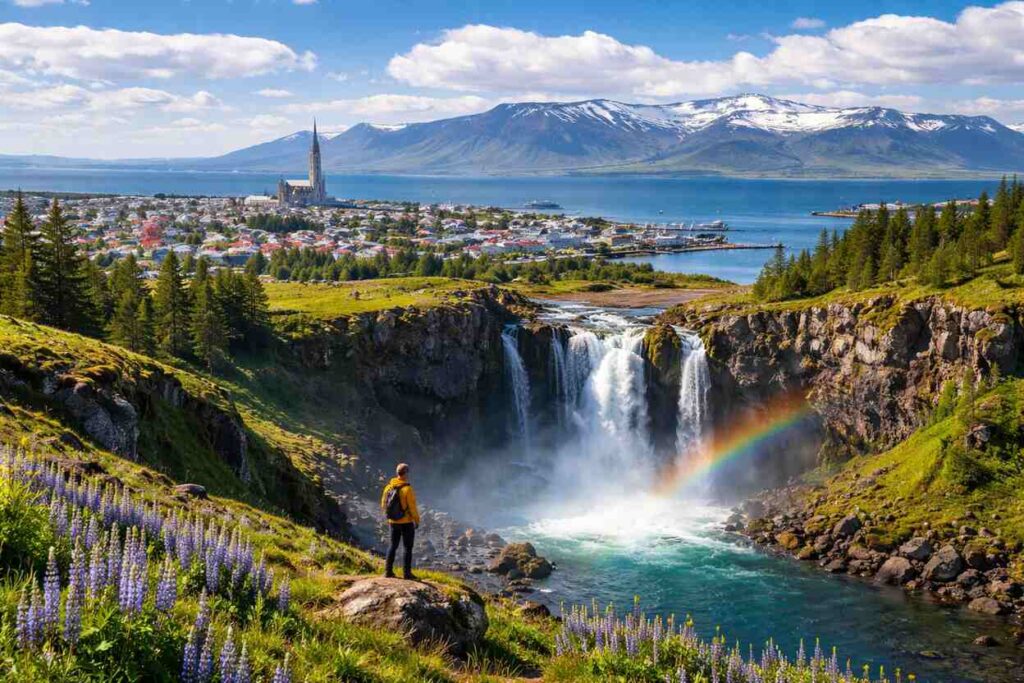
Reykjavík serves as a gateway to Iceland’s aurora viewing spots. While the city itself has moderate light pollution, short drives lead to dark-sky areas ideal for observation.
Popular locations include Thingvellir National Park, Jokulsarlon Glacier Lagoon, and Vik’s black sand beaches. These areas combine geological beauty with aurora visibility, creating dramatic photo opportunities.
Iceland’s unpredictable weather requires flexibility. Cloud cover can shift quickly, so travelers often rely on real-time forecasts and guided tours to chase clear skies.
Experience Fairbanks for Consistent Aurora Activity
Fairbanks stands out as one of the most consistent places to see the Northern Lights due to its inland location and relatively stable weather conditions.
The region experiences minimal coastal cloud interference, which increases the number of clear nights. Visitors can enjoy hot springs like Chena Hot Springs while watching the aurora.
Aurora season extends from late August to April, with peak visibility during the cold winter months. The extreme cold is a trade-off for exceptional viewing reliability.
Travel to Abisko for Clear Skies and Microclimate Advantage
Abisko National Park is widely regarded as one of the best Northern Lights destinations due to its unique microclimate.
The “blue hole” phenomenon creates consistent clear skies even when surrounding regions are cloudy. This significantly improves the probability of aurora sightings.
The Aurora Sky Station offers guided viewing experiences with panoramic mountain views. The remote setting ensures minimal light pollution and an immersive Arctic experience.
Discover Finnish Lapland for Comfort and Unique Accommodations
Lapland provides a blend of comfort and wilderness, making it ideal for travelers seeking both luxury and adventure.
Glass igloos and aurora cabins allow visitors to watch the Northern Lights from the warmth of their beds. Popular locations include Rovaniemi and Saariselkä.
Activities such as reindeer sleigh rides, snowmobiling, and visits to Santa Claus Village enhance the overall experience. The region is family-friendly and well-equipped for tourism.
Visit Yellowknife for High Probability Viewing in Canada
Yellowknife is one of Canada’s top aurora destinations due to its flat terrain and dry climate.
The region experiences over 200 aurora nights per year, making it one of the most reliable locations globally. Frozen lakes provide ideal viewing platforms with unobstructed horizons.
Local tour operators offer heated cabins, photography tours, and cultural experiences. The combination of accessibility and reliability makes Yellowknife a top choice.
Compare Top Northern Lights Destinations
| Destination | Country | Best Months | Visibility Rate | Unique Feature |
|---|---|---|---|---|
| Tromsø | Norway | Nov–Mar | High | Coastal fjords |
| Reykjavík | Iceland | Sep–Mar | Medium | Diverse landscapes |
| Fairbanks | USA | Aug–Apr | Very High | Stable weather |
| Abisko | Sweden | Dec–Mar | Very High | Clear sky microclimate |
| Lapland | Finland | Nov–Mar | High | Glass igloos |
| Yellowknife | Canada | Aug–Apr | Very High | Flat terrain |
Plan Your Trip During Peak Aurora Season
The Northern Lights are most visible during months with long, dark nights. Peak season generally runs from late September to early April.
Winter months offer the longest nights, but early autumn and late spring can also provide excellent sightings with milder temperatures. Solar activity cycles also influence aurora intensity, with peaks occurring every 11 years.
Travelers should monitor aurora forecasts using tools like the Kp Index, which measures geomagnetic disturbances and predicts aurora strength.
Select Dark Locations Away from Light Pollution
Light pollution significantly reduces aurora visibility. Even in prime locations, city lights can obscure the display.
Travelers should seek rural areas, national parks, or designated dark-sky reserves. Locations like Thingvellir National Park and remote Arctic regions provide optimal viewing conditions.
Turning off artificial lights and allowing your eyes to adjust to darkness improves visibility. Photography also benefits from low-light environments.
Prepare Essential Gear for Cold Weather Viewing

Aurora viewing often requires long hours outdoors in freezing temperatures. Proper preparation ensures comfort and safety.
Layered clothing, insulated boots, gloves, and thermal wear are essential. Cameras with manual settings, tripods, and wide-angle lenses help capture the lights effectively.
Hot beverages, portable heaters, and blankets enhance the experience, especially during extended viewing sessions.
Use Forecast Tools and Guided Tours for Better Chances
Aurora sightings depend on both solar activity and weather conditions. Forecast tools and apps provide real-time updates.
Guided tours increase success rates by tracking clear skies and optimal viewing spots. Experienced guides understand local conditions and can adapt quickly.
Combining forecasts with mobility significantly improves the likelihood of witnessing the Northern Lights.
Understand Aurora Colors and Patterns for Better Appreciation
The Northern Lights display a range of colors depending on atmospheric gases and altitude. Green is the most common color, produced by oxygen at lower altitudes.
Purple and red hues appear at higher altitudes or during intense solar activity. Patterns include arcs, curtains, spirals, and pulsating waves.
Understanding these variations enhances the viewing experience and allows travelers to better appreciate the science behind the phenomenon.
Conclusion
The best places to see the Northern Lights combine geographic location, clear skies, and minimal light pollution. Destinations like Tromsø, Reykjavík, Fairbanks, Abisko, Lapland, and Yellowknife offer exceptional opportunities, each with unique advantages.
Planning your trip during peak season, choosing dark locations, and using forecasts significantly increase your chances of witnessing this natural wonder. With the right preparation and destination, the Northern Lights become more than a sight. They become an unforgettable experience.
FAQs
1. When is the best time to see the Northern Lights?
The best time is from late September to early April, with peak visibility during winter months when nights are longest.
2. Which country offers the best Northern Lights experience?
Norway, Iceland, Finland, Sweden, Canada, and Alaska all offer excellent opportunities, with locations like Tromsø and Fairbanks being particularly reliable.
3. Can you see the Northern Lights without a tour?
Yes, but guided tours increase your chances by taking you to optimal locations and tracking weather conditions.
4. What causes the Northern Lights?
They occur when solar particles interact with Earth’s magnetic field, creating energy that produces visible light in the atmosphere.
5. How long do the Northern Lights last?
They can last from a few minutes to several hours, depending on solar activity and atmospheric conditions.
6. Do you need special equipment to see them?
No, they are visible to the naked eye, but cameras and tripods help capture their full beauty.
