

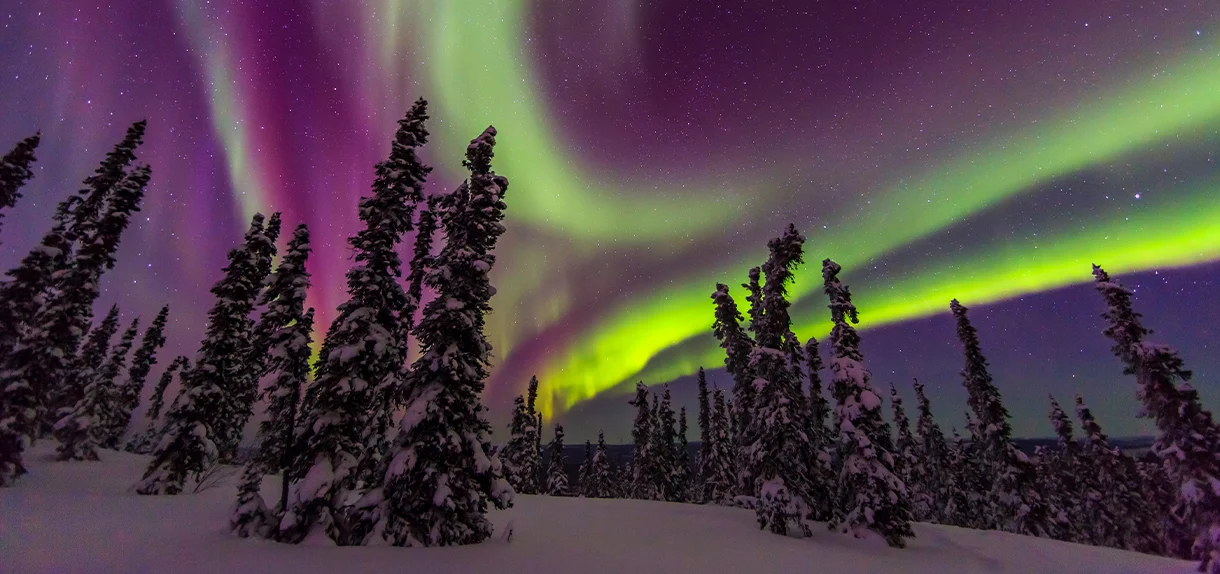
Few natural wonders inspire as much excitement as the Northern Lights. Watching colorful waves of green, purple, and pink dance across a dark Arctic sky is an unforgettable experience. If you’re planning a trip, one of the first questions you’ll probably ask is: What is the best northern lights Alaska time of year?
The answer depends on several factors, including daylight hours, weather conditions, and solar activity. While the aurora can appear throughout the year, you can only see it when the sky is dark enough. Understanding Alaska’s seasons will help you choose the perfect time to maximize your chances.
Whether you’re a first-time traveler or a returning adventurer, this guide covers everything you need to know before chasing Alaska’s magical night skies.
Why Alaska Is One of the Best Places to See the Northern Lights
Alaska sits directly beneath the Auroral Oval, a region surrounding Earth’s magnetic poles where auroras occur most frequently. This geographical advantage makes the state one of the world’s top destinations for aurora viewing.
Unlike many other destinations, Alaska offers vast open landscapes with minimal light pollution. Combined with crisp winter nights, these conditions create incredible opportunities to witness spectacular displays.
Popular viewing regions include:
- Fairbanks
- Denali area
- Coldfoot
- Wiseman
- Chena Hot Springs
- Brooks Range
Each destination offers unique scenery while providing excellent chances of seeing the lights.
Best Northern Lights Alaska Time of Year
The most reliable viewing season generally runs from late August through mid-April.
During these months, Alaska experiences long nights that provide enough darkness for aurora activity to become visible.
Here’s a quick comparison:
| Time of Year | Viewing Conditions | Daylight | Travel Experience |
|---|---|---|---|
| Late August–September | Excellent | Moderate | Mild temperatures and colorful fall scenery |
| October–November | Very Good | Longer nights | Cooler weather with fewer tourists |
| December–January | Excellent | Longest nights | Coldest season but maximum darkness |
| February–March | Outstanding | Comfortable winter conditions | Often considered the best balance |
| April | Good | Shorter nights | Milder weather before summer begins |
Among these periods, February and March are often considered the sweet spot because they combine long dark nights with relatively stable weather.
Can You See the Aurora During Summer?
Many travelers are surprised to learn that auroras continue throughout summer. However, Alaska experiences the Midnight Sun, especially in northern regions.
Because the sky never becomes fully dark, the lights remain hidden even if they are active.
This means planning a summer vacation specifically for aurora viewing usually leads to disappointment.
What Time of Night Is Best?
Even during the ideal season, timing matters.
Most aurora displays become strongest between:
- 10:00 PM
- 2:00 AM
Although activity can happen earlier or later, these hours often provide the highest probability.
Many experienced photographers stay outside for several hours because the lights can appear unexpectedly.
Weather Makes a Big Difference
Solar activity creates the aurora, but weather determines whether you can actually see it.
Cloudy skies can completely hide even an intense display.
When planning your trip:
- Check local weather forecasts.
- Be flexible with viewing nights.
- Stay multiple evenings if possible.
- Travel away from city lights.
Even one clear night can reward your patience.
Best Places in Alaska for Aurora Viewing
Fairbanks
Fairbanks consistently ranks among the world’s best aurora destinations thanks to its location beneath the Auroral Oval.
The city also offers numerous guided tours, heated viewing cabins, and photography experiences.
Chena Hot Springs
Watching the Northern Lights while relaxing in warm mineral water creates an unforgettable combination.
Many visitors choose this destination specifically for its comfort and excellent viewing opportunities.
Denali National Park
Although famous for wildlife and mountain scenery, Denali also provides stunning dark skies during aurora season.
Snow-covered landscapes make the colorful lights even more dramatic.
Coldfoot
Located far north of Fairbanks, Coldfoot experiences minimal artificial lighting and exceptional viewing conditions.
It’s an excellent option for travelers seeking a more remote adventure.
Factors That Improve Your Chances
Several elements work together for successful aurora viewing.
Solar Activity
The stronger the solar storms, the brighter the aurora may become.
Many travelers monitor aurora forecasts before heading outside.
Clear Skies
Even the strongest solar activity cannot shine through thick cloud cover.
Checking hourly weather updates often improves success.
Dark Locations
Avoid streetlights and urban areas whenever possible.
Driving just 20–30 minutes outside a city can dramatically improve visibility.
Patience
The lights rarely follow a schedule.
Sometimes nothing happens for hours before the sky suddenly comes alive.
What to Pack for an Aurora Trip
Alaska winters can be extremely cold.
Bring:
- Heavy insulated jacket
- Thermal base layers
- Waterproof boots
- Thick gloves
- Warm hat
- Neck gaiter
- Hand warmers
- Camera tripod
- Extra batteries
Cold temperatures drain batteries much faster than expected.
Photography Tips
Capturing the aurora requires more than simply pointing a camera upward.
Useful settings include:
- Manual mode
- Wide-angle lens
- Tripod
- Low ISO when possible
- Long exposure
- Manual focus
Even smartphones now include night photography modes capable of producing surprisingly impressive results.
A Real-World Travel Example
Imagine arriving in Fairbanks during early March after checking both the weather forecast and aurora prediction. The first evening remains cloudy, while the second offers only faint activity. On your third night, the skies suddenly clear, and vibrant green ribbons stretch across the horizon for nearly an hour. Because you planned multiple viewing nights instead of relying on just one, your patience turns into an unforgettable travel memory.
My Personal Experience
I remember staying outside on a freezing winter night much longer than I expected, and the moment the first green wave appeared overhead made every minute in the cold feel completely worthwhile.
Common Mistakes Visitors Make
Many travelers accidentally reduce their chances by:
- Visiting during summer.
- Staying only one night.
- Ignoring weather forecasts.
- Remaining inside city limits.
- Underestimating Alaska’s winter temperatures.
- Expecting constant aurora activity.
Avoiding these mistakes significantly increases the likelihood of success.
Is Guided Viewing Worth It?
For first-time visitors, guided tours can be extremely valuable.
Benefits often include:
- Transportation to dark locations
- Local weather knowledge
- Aurora forecasts
- Photography assistance
- Heated shelters
- Safety during winter travel
Experienced travelers may prefer exploring independently, but beginners often appreciate the convenience.
Also Read: Lower Antelope Canyon Tours: Complete Visitor Guide 2026
Conclusion
Choosing the right northern lights Alaska time of year can make the difference between simply visiting Alaska and witnessing one of nature’s greatest spectacles. While the aurora is active year-round, the best opportunities occur from late August through mid-April, with February and March offering an ideal combination of long nights, clearer weather, and comfortable winter conditions.
Plan several viewing nights, stay flexible with weather, venture away from city lights, and dress for the cold. With patience and preparation, you’ll greatly improve your chances of experiencing an unforgettable display that turns Alaska’s night sky into a living masterpiece.
FAQs
What is the best month to see the Northern Lights in Alaska?
February and March are widely considered the best months because they combine long, dark nights with relatively stable weather and excellent viewing opportunities.
Can you see the Northern Lights every night?
No. Aurora activity depends on solar conditions, weather, and cloud cover. Some nights produce spectacular displays, while others remain quiet.
Is September a good time to visit Alaska for aurora viewing?
Yes. September offers comfortable temperatures, beautiful fall scenery, and enough darkness for excellent Northern Lights viewing.
Where is the best place in Alaska to watch the Northern Lights?
Fairbanks is often regarded as the top destination due to its location beneath the Auroral Oval and its consistent viewing conditions.
Do I need a tour to see the Northern Lights?
Not necessarily. Independent travelers can enjoy successful viewing, but guided tours provide local expertise, transportation, and access to prime viewing locations.
Can smartphones capture the Northern Lights?
Yes. Many modern smartphones include Night Mode or long-exposure photography features that can capture impressive aurora images when used with a tripod.
