


Introduction
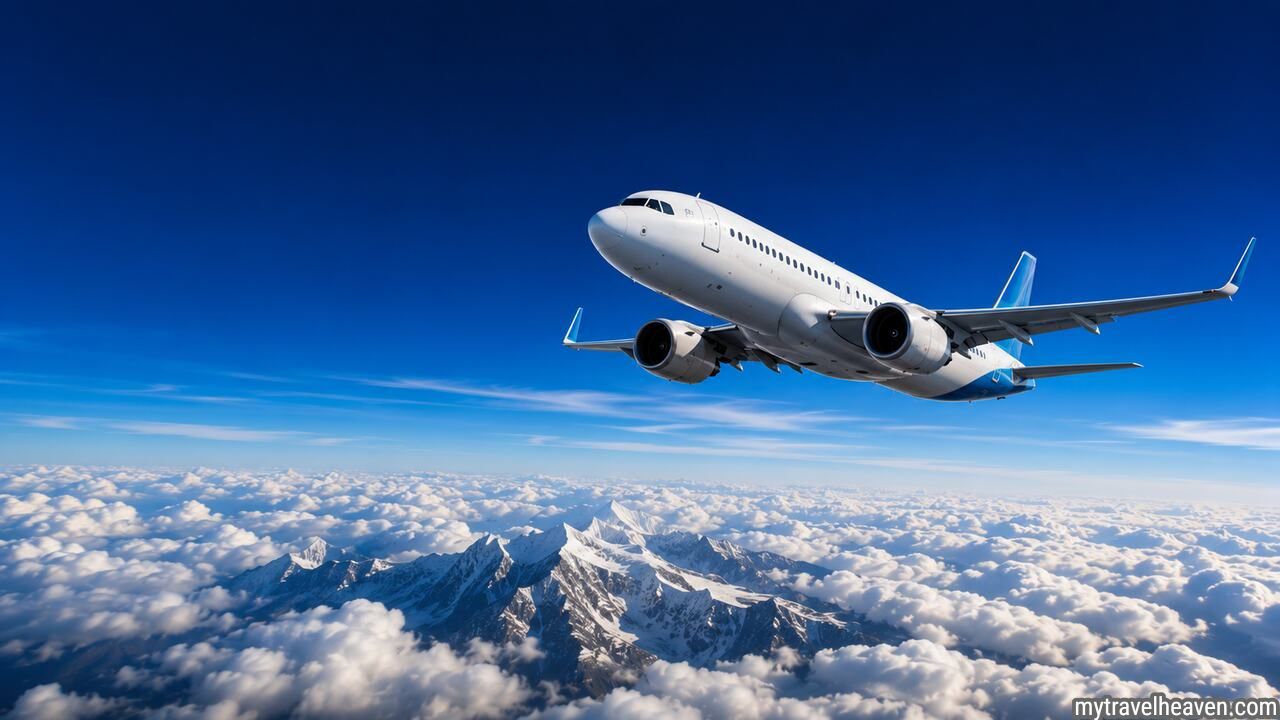
When people look up at an aircraft crossing the sky, one of the most common questions is: how high do planes fly? The answer depends on the type of aircraft, its purpose, weather conditions, air traffic requirements, and fuel efficiency goals. Commercial airliners, private jets, military aircraft, and cargo planes all operate at different altitudes to maximize safety and performance.
Modern aviation relies on carefully planned cruising altitudes that balance fuel consumption, engine efficiency, weather avoidance, and air traffic separation. Understanding how high planes fly provides insight into how the aviation industry moves millions of passengers and tons of cargo safely across the globe every day.
Identify Typical Cruising Altitudes for Commercial Airliners
Most commercial passenger aircraft cruise between 30,000 and 42,000 feet above sea level. This altitude range allows aircraft to travel efficiently while avoiding much of the weather and turbulence found at lower levels.
Popular aircraft such as the Boeing 737, Airbus A320, and Boeing 787 Dreamliner commonly operate within this range during long-distance flights. Pilots typically climb to their assigned cruising altitude shortly after departure and remain there for most of the journey.
Air traffic controllers assign specific flight levels to maintain safe vertical separation between aircraft. Eastbound and westbound flights often use different altitude ranges to reduce the risk of conflicts and improve traffic flow.
Commercial Aircraft Cruising Altitudes
| Aircraft Type | Typical Cruising Altitude |
|---|---|
| Boeing 737 | 35,000–41,000 ft |
| Airbus A320 | 35,000–39,000 ft |
| Boeing 777 | 31,000–43,000 ft |
| Boeing 787 Dreamliner | 35,000–43,000 ft |
| Airbus A350 | 35,000–43,000 ft |
Understand Flight Levels Used by Pilots
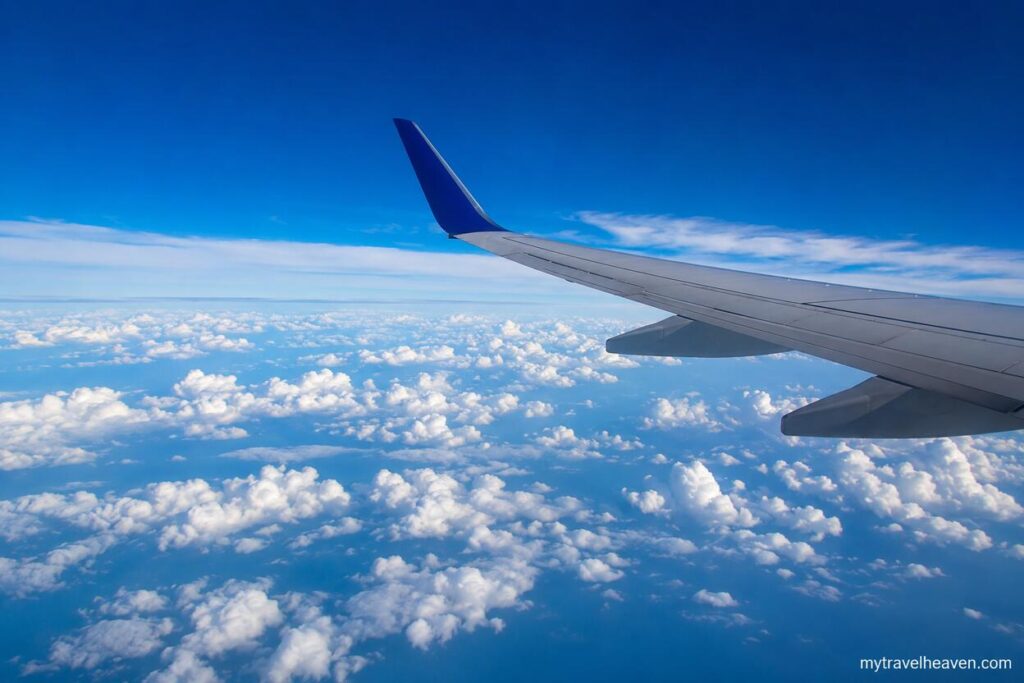

Pilots do not usually refer to cruising altitude simply as feet above sea level. Instead, they use flight levels, which standardize altitude measurements using a common atmospheric pressure setting.
For example, Flight Level 350, often written as FL350, means the aircraft is flying at approximately 35,000 feet. Flight Level 400 corresponds to roughly 40,000 feet. This system allows pilots and air traffic controllers to communicate clearly regardless of regional weather-related pressure variations.
Flight levels become especially important in busy airspace where dozens of aircraft may be flying within a relatively small geographic area. Standardized altitude assignments help maintain safe separation while maximizing airspace capacity.
The use of flight levels also simplifies international operations because aircraft frequently cross multiple countries and air traffic control regions during a single flight.
Reach Fuel-Efficient Altitudes During Cruise
One of the primary reasons planes fly so high is fuel efficiency. Air becomes thinner as altitude increases, reducing aerodynamic drag on the aircraft.
At cruising altitude, engines require less thrust to maintain speed than they would closer to the ground. Less drag means lower fuel consumption, which translates into reduced operating costs for airlines.
Aircraft performance engineers carefully calculate the most economical altitude based on aircraft weight, passenger load, fuel quantity, and weather conditions. During long flights, aircraft may perform a “step climb,” gradually ascending as fuel burns off and the aircraft becomes lighter.
These optimized altitude strategies save airlines millions of dollars annually while reducing environmental impact through lower fuel usage.
Navigate Weather Conditions Above Most Atmospheric Disturbances
Flying at high altitude helps aircraft avoid many weather-related challenges. Most clouds, storms, and turbulence occur in the lower portions of the atmosphere.
Commercial aircraft generally cruise above common weather systems, resulting in smoother flights and greater passenger comfort. While turbulence can still occur at cruising altitude, pilots can often adjust altitude to find calmer air.
Thunderstorms present a significant hazard and are usually avoided regardless of altitude. Modern weather radar systems allow pilots to detect and navigate around dangerous weather formations.
Jet streams, powerful high-altitude wind currents, also influence altitude selection. Airlines often choose flight levels that take advantage of favorable tailwinds to reduce travel time and fuel consumption.
Compare Altitudes Across Different Aircraft Categories
Not all aircraft operate at the same heights. Different missions require different altitude ranges.
Private jets often fly higher than commercial airliners because their lighter weight and advanced performance capabilities allow them to access less congested airspace. Cargo aircraft generally operate similarly to passenger aircraft, while military aircraft may fly much higher depending on mission requirements.
Some specialized aircraft are designed specifically for high-altitude operations. Research and reconnaissance platforms often exceed the cruising heights of standard commercial jets.
Typical Operating Altitudes by Aircraft Category
| Aircraft Category | Typical Altitude Range |
|---|---|
| Small Propeller Aircraft | 5,000–15,000 ft |
| Regional Jets | 25,000–37,000 ft |
| Commercial Airliners | 30,000–42,000 ft |
| Private Business Jets | 41,000–51,000 ft |
| Military Fighters | Up to 60,000+ ft |
| High-Altitude Reconnaissance Aircraft | 70,000+ ft |
Examine How High Private Jets Can Fly
Many modern business jets operate higher than commercial airliners. Aircraft such as the Gulfstream G700 and Bombardier Global 7500 can cruise around 45,000 to 51,000 feet.
These higher altitudes provide several advantages. Business jets often avoid crowded airline traffic routes, experience smoother air, and can achieve excellent fuel efficiency during long-distance flights.
Corporate operators value these benefits because they improve scheduling flexibility and passenger comfort. Flying above most airline traffic also allows direct routing in many situations.
The ability to reach higher flight levels is one reason premium business aviation remains attractive for executives and government operators.
Explore the Highest Altitudes Ever Reached by Aircraft
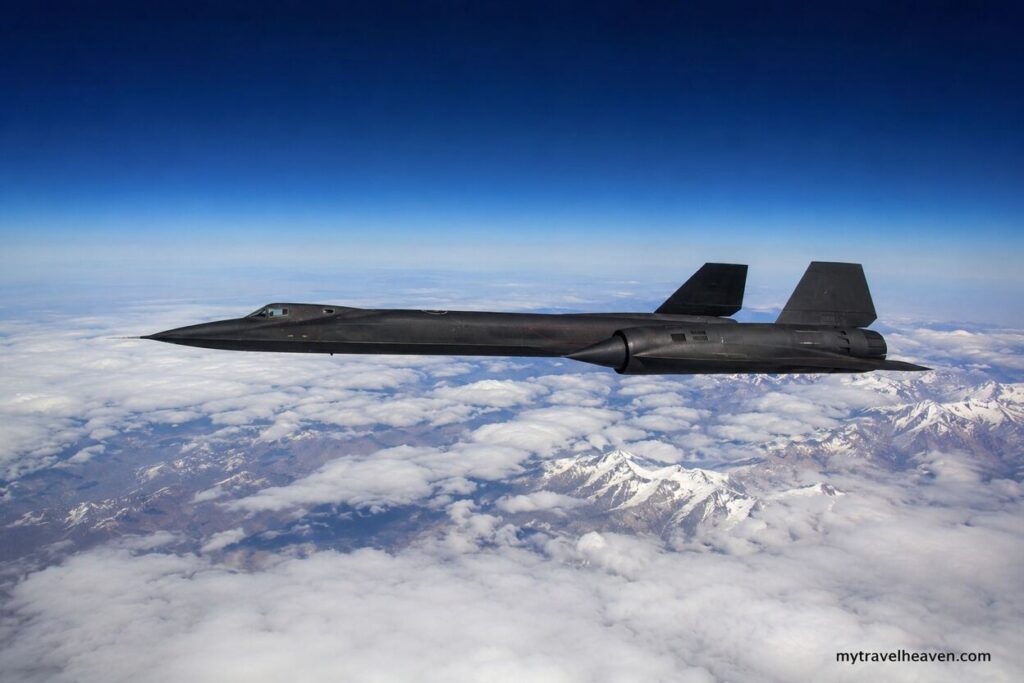
While commercial aircraft rarely exceed 43,000 feet, specialized aircraft have reached far greater heights.
The Lockheed U-2 regularly operates above 70,000 feet. The legendary Lockheed SR-71 Blackbird flew at altitudes exceeding 80,000 feet while traveling at more than three times the speed of sound.
Experimental aircraft have climbed even higher. These flights require specialized engineering because air density becomes extremely low, making aerodynamic flight increasingly difficult.
At extreme altitudes, aircraft operate near the boundary where traditional aerodynamic flight begins transitioning toward spaceflight conditions.
Recognize Factors That Determine Flight Altitude
Several variables influence how high an aircraft can fly on a particular flight.
Aircraft weight is a major factor. Heavier aircraft cannot immediately climb to their most efficient altitude after takeoff. As fuel burns off, higher altitudes become accessible.
Weather conditions also play an important role. Strong winds, turbulence, and storm systems may cause pilots to request altitude changes during flight.
Air traffic control requirements influence altitude assignments as well. In congested airspace, aircraft may be assigned specific flight levels to maintain separation from other traffic.
Aircraft design limitations, engine performance, and route length further contribute to altitude planning decisions.
Monitor Cabin Pressure at High Altitudes
Although aircraft cruise at altitudes where outside air pressure is extremely low, passengers remain comfortable thanks to cabin pressurization systems.
At 35,000 feet, the atmosphere contains insufficient oxygen for normal human respiration. Modern airliners therefore maintain cabin pressure equivalent to a much lower altitude.
Aircraft such as the Boeing 787 and Airbus A350 feature advanced cabin systems that improve passenger comfort during long flights. These systems help reduce fatigue, dehydration, and discomfort associated with high-altitude travel.
Pressurization technology is one of the most important innovations in modern aviation because it enables safe and practical commercial flight at efficient cruising altitudes.
Conclusion
The answer to “how high do planes fly” depends on the aircraft and its mission, but most commercial airliners cruise between 30,000 and 42,000 feet. These altitudes provide an ideal balance of fuel efficiency, weather avoidance, passenger comfort, and air traffic management. Private jets often fly even higher, while military and specialized aircraft can operate far above standard airline routes.
Understanding aircraft altitude reveals how aviation combines engineering, meteorology, and air traffic control to create one of the safest and most efficient transportation systems in the world.