


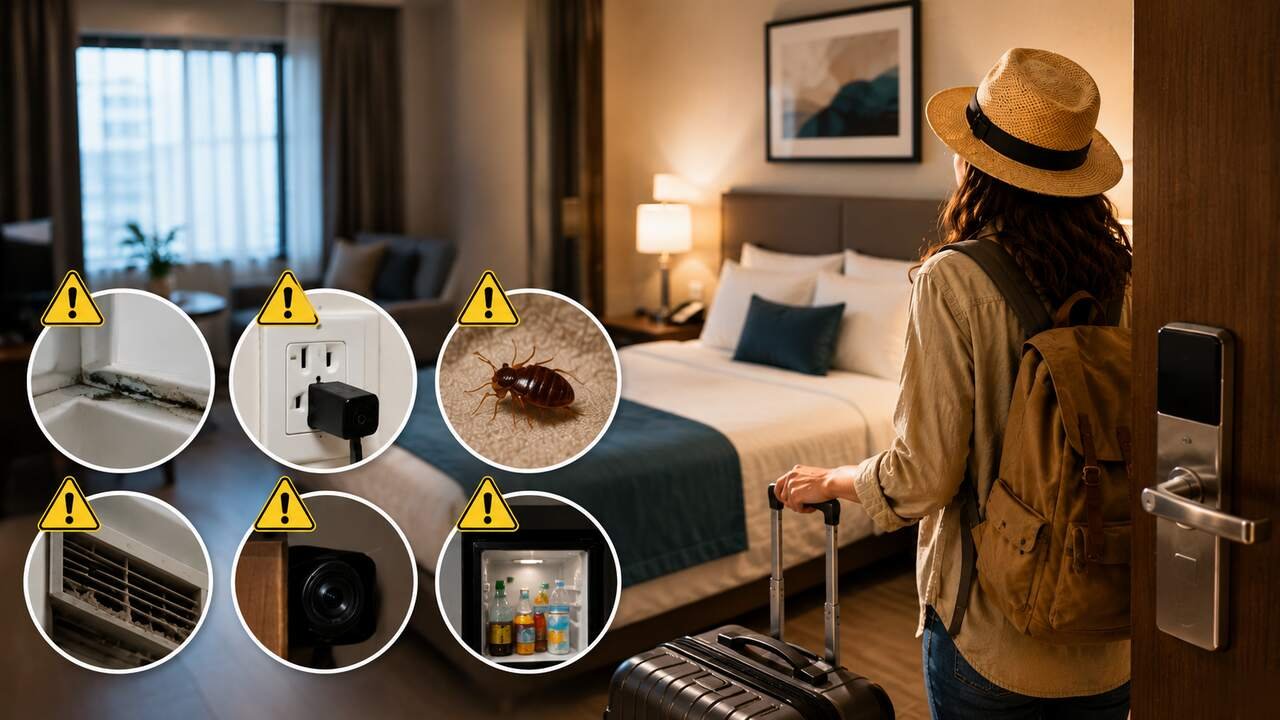
Booking a hotel room feels simple. You compare prices, check reviews, and pick a place that looks clean and comfortable. But behind those polished photos, certain risks often go unnoticed until a guest experiences them firsthand.
Understanding these hazards before you book can save you from a ruined trip or, worse, a serious injury. Here are seven hotel dangers every traveler should know about, along with practical tips to stay safe.
Slip and Fall Accidents
“Slip and fall incidents are among the most common injuries reported by hotel accident claimants,” say the attorneys at Hotel Injury Law, a law firm proving legal support to best western slip and fall victims.
A tired guest stepping out of the shower onto a slick tile floor can suffer a serious fall within seconds. Hotels are required to provide reasonable safety measures, but not every property follows through consistently.
Before settling into your room, check for bath mats, grab bars, and proper drainage. If you notice standing water in hallways or near the pool, report it to staff immediately rather than assuming someone else will.
Fire Safety Gaps
Fire hazards are another overlooked danger. Some older hotels lack updated sprinkler systems, functioning smoke detectors, or clearly marked exits. A family unfamiliar with the building layout could lose precious time during an emergency.
When you check in, take a moment to locate the nearest exit from your floor. Test the smoke detector in your room if possible, and avoid rooms where alarms have been disconnected or covered with tape.
Knowing your escape route ahead of time gives you a real advantage if something goes wrong. This small habit takes less than a minute but could make a significant difference in a crisis.
Unsecured Balconies and Windows
Balconies and upper floor windows pose a real risk, especially for families traveling with children. Loose railings, low barriers, or windows that open too wide can lead to devastating falls that could have been prevented.
Before letting kids explore a balcony, inspect the railing height and stability yourself. Push against it firmly to check for wobbling, and keep young children supervised at all times near any elevated ledge or opening.
Travelers with mobility challenges should also be cautious, since uneven balcony flooring or steep thresholds can increase the chance of tripping. A quick visual check often reveals problems that housekeeping staff may have missed.
Bed Bugs and Pest Infestations
Bed bugs have become a widespread concern across hotels of every price range. These pests hide in mattress seams, headboards, and furniture, often going unnoticed until a guest wakes up with itchy bites.
Before unpacking, pull back the sheets and inspect the mattress edges for small dark spots or shed skins. Check the headboard and nearby furniture too, since bed bugs often travel between rooms through shared walls.
If you spot signs of an infestation, request a room change immediately and keep your luggage off the floor. Placing bags on a hard surface reduces the chance of bringing unwanted guests home with you.
Weak Room Security
Room security is easy to overlook, but faulty locks or poorly trained staff can leave guests vulnerable to theft or unwanted entry. A traveler staying alone should pay extra attention to this particular hazard.
Always double check that the deadbolt and chain lock function properly before settling in. If a lock feels loose or damaged, ask for a different room rather than assuming it will hold up overnight.
Using the in room safe for valuables and keeping your door closed, even briefly, adds another layer of protection. Simple habits like these lower your risk without requiring much extra effort on your part.
Carbon Monoxide and Gas Leaks
Carbon monoxide poisoning is rare but extremely dangerous because it has no smell or color. Faulty heating systems, blocked vents, or malfunctioning appliances near guest rooms can quietly put an entire family at risk.
Since this gas is impossible to detect without a device, ask the front desk whether your room includes a carbon monoxide detector. Portable detectors are inexpensive and easy to pack if you want extra peace of mind.
Headaches, dizziness, or nausea during your stay could signal exposure, so do not ignore these symptoms. Leave the room immediately and seek fresh air while notifying staff about the possible issue right away.
Elevator and Escalator Malfunctions
Elevators and escalators see heavy daily use, which means mechanical issues can develop faster than most travelers realize. A malfunctioning elevator can trap guests or cause sudden drops, leading to injuries that feel completely avoidable.
Pay attention to posted inspection certificates near elevator doors, since many regions require these to be visible. If an elevator feels unusually slow, makes strange noises, or jerks between floors, consider using the stairs instead.
Parents traveling with strollers or older guests using canes should be especially cautious on escalators. Standing firmly, holding railings, and avoiding loose clothing near moving parts reduces the chance of an unexpected accident.
Staying Aware Protects Your Trip
Hotels are meant to feel like a home away from home, but hazards can exist even in well reviewed properties. A little awareness goes a long way toward keeping your vacation or business trip incident free.
Before your next stay, take a few extra minutes to inspect your room, test the locks, and locate emergency exits. These simple habits do not take much effort, yet they offer real protection when it matters most.
If you ever experience an injury during a hotel stay, document everything with photos and report the incident to management right away. Keeping records early can make a real difference if you need to pursue any kind of claim later on.
Final Thoughts
Traveling should feel exciting, not risky. By staying alert to these seven common hazards, you give yourself and your loved ones a much safer, more enjoyable experience wherever your next trip takes you.