


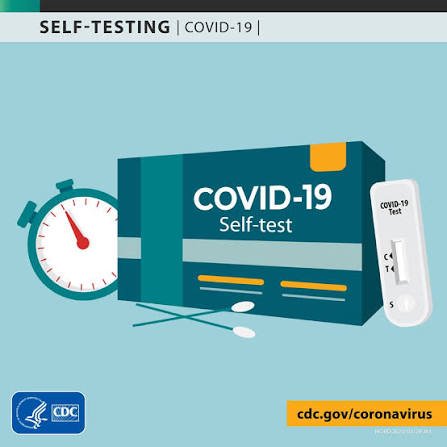
The demand for free COVID tests has changed over the years, but they remain an important resource for people who want quick answers about their health without spending extra money. Whether you’re experiencing symptoms, preparing to visit family, returning to work, or simply being cautious, knowing where to find no-cost testing can save both time and money.
While testing programs vary depending on your location, government funding, and local healthcare providers, there are still several reliable ways to access COVID-19 testing without paying out of pocket. Understanding the available options helps you make informed decisions and respond quickly if you suspect an infection.
In this guide, we’ll explain how free testing works, where you can find it, and what to expect before, during, and after taking a test.
Why COVID Testing Still Matters
Although many restrictions have eased, COVID-19 continues to circulate in communities worldwide. Testing remains valuable because it helps people:
- Confirm whether symptoms are caused by COVID-19.
- Protect family members, coworkers, and vulnerable individuals.
- Decide when to isolate or seek medical advice.
- Reduce the spread of illness during outbreaks.
Even mild symptoms can resemble the common cold or seasonal flu, making testing a useful tool for identifying the cause.
Where to Find Free COVID Tests
Depending on where you live, several organizations may offer testing at no cost.
Government Health Programs
Many national, state, or local governments periodically launch programs that distribute complimentary COVID tests or provide free testing at designated locations.
These programs may include:
- Community health centers
- Public health departments
- Temporary testing events
- Public libraries in some regions
- Mail-order home testing initiatives
Availability changes over time, so checking local health department announcements is always recommended.
Pharmacies and Retail Clinics
Large pharmacy chains often partner with healthcare providers or government agencies to offer testing services.
Some locations provide:
- Rapid antigen testing
- PCR laboratory testing
- Home testing kits
- Appointment-based testing
Coverage may depend on insurance, public funding, or special community programs.
Community Health Centers
Community clinics frequently serve individuals regardless of income or insurance status.
Benefits include:
- Professional medical guidance
- Low-cost or free testing programs
- Language assistance
- Connections to additional healthcare services
These centers are especially valuable for underserved communities.
Schools and Universities
Many educational institutions continue offering testing for students, faculty, and staff during periods of increased respiratory illness.
Testing may be available through:
- Campus health centers
- Student wellness programs
- Special outbreak response initiatives
Home Testing vs. Clinic Testing
Choosing between home testing and professional testing depends on your situation.
| Feature | Home Test | Clinic Test |
|---|---|---|
| Convenience | Excellent | Moderate |
| Speed | Usually 15–30 minutes | Varies by test type |
| Professional assistance | No | Yes |
| Best for routine screening | Yes | Yes |
| Suitable for complex medical situations | Limited | Better option |
If symptoms are severe or results seem inconsistent with how you feel, consulting a healthcare provider is the safest choice.
Who Can Qualify for Free Testing?
Eligibility varies depending on local programs.
You may qualify if you are:
- Experiencing COVID-like symptoms
- A close contact of someone who tested positive
- Uninsured
- Participating in a community testing event
- A student or employee in participating organizations
- Living in an area with active public health testing programs
Requirements differ from one location to another, so verifying eligibility beforehand can save time.
When Should You Take a COVID Test?
Timing plays an important role in obtaining accurate results.
Testing is generally recommended when:
- You develop symptoms such as fever, cough, sore throat, or fatigue.
- You were recently exposed to someone with COVID-19.
- You plan to visit someone with a weakened immune system.
- Your employer, school, or healthcare provider recommends testing.
- You recently attended a crowded indoor event and develop symptoms afterward.
Following the instructions included with the test can improve accuracy.
Preparing for Your Test
Before visiting a testing site or using a home kit:
- Read all instructions carefully.
- Bring identification if required.
- Confirm appointment details.
- Wear a mask if you have symptoms.
- Arrive a few minutes early if visiting a clinic.
Proper preparation helps the process move smoothly.
Understanding Your Results
Positive Result
A positive result generally indicates that COVID-19 has been detected.
You should:
- Stay home according to current health guidance.
- Notify close contacts when appropriate.
- Monitor symptoms.
- Contact a healthcare professional if symptoms worsen.
Negative Result
A negative result means the virus was not detected at the time of testing.
However, false negatives can occur, particularly if testing is performed too early after exposure.
If symptoms continue or worsen, repeat testing or consult a healthcare provider.
Common Reasons People Seek Testing
Testing isn’t only for people who feel sick.
Many individuals use testing before:
- Family gatherings
- Business travel
- International flights
- Hospital visits
- Returning to work
- Visiting elderly relatives
These situations help reduce unnecessary exposure and provide greater peace of mind.
How Timely COVID Testing Supports Better Health Decisions
Imagine Sarah, a teacher, wakes up with a mild sore throat the day before returning to school after a weekend family gathering. Instead of assuming it’s just seasonal allergies, she visits a local community testing event offering complimentary COVID testing. Her result is positive, allowing her to stay home, notify coworkers, and avoid exposing dozens of students. A simple, no-cost test helps prevent a larger outbreak while giving her the information needed to recover safely.
My Experience Using a Home COVID Test
I once helped a family member use a home COVID testing kit after they developed mild cold-like symptoms, and the straightforward instructions made the process much less stressful than we had expected.
Tips for Finding Available Testing Faster
If you’re searching for testing options, consider these practical steps:
- Check your local health department’s latest announcements.
- Contact nearby pharmacies.
- Visit community health clinics.
- Ask your healthcare provider.
- Look for temporary testing events during seasonal outbreaks.
- Keep a few home testing kits available for unexpected situations.
Being prepared often makes the process much easier
Staying Safe Beyond Testing
Testing is only one part of protecting yourself and others.
Additional healthy habits include:
- Washing hands regularly.
- Staying home when sick.
- Improving indoor ventilation.
- Following current public health recommendations.
- Speaking with a healthcare provider about vaccination if appropriate for your situation.
Combining these practices creates stronger overall protection.
Also Read: Real ID Explained: Meaning, Uses, Benefits & Facts
Conclusion
Free COVID tests continue to play an important role in helping individuals make informed health decisions without creating unnecessary financial barriers. Whether you choose a home testing kit, visit a pharmacy, attend a community clinic, or use a local public health program, knowing your options allows you to respond quickly when symptoms appear or exposure occurs.
As testing programs continue to evolve, staying informed through trusted local health resources is the best way to find available services. A little preparation today can help protect your health, your family, and your community tomorrow.
FAQs
Are free COVID tests still available?
Yes. Availability depends on your country, state, and local public health programs. Community clinics, pharmacies, and government initiatives may still offer testing at no cost.
Can I get a free home COVID test?
In some areas, home testing kits are distributed through government programs, healthcare providers, libraries, or community organizations.
Do I need insurance for free COVID testing?
Not always. Many community health centers and public testing events serve uninsured individuals.
Which is more accurate: home tests or PCR tests?
PCR tests are generally more sensitive, while home antigen tests provide faster results and are useful for many everyday situations.
Should I test if my symptoms are mild?
Yes. Even mild symptoms can be caused by COVID-19. Testing helps you make informed decisions about work, school, travel, and protecting those around you.