

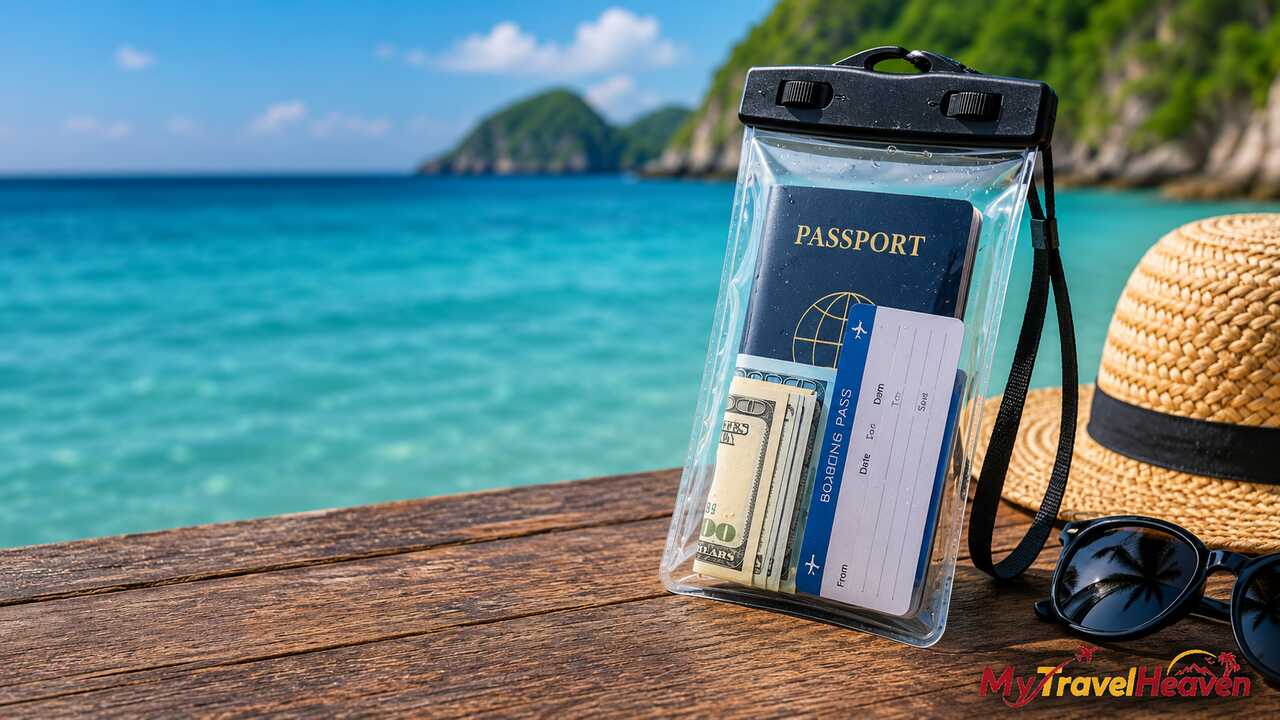
Traveling exposes your most valuable documents to unexpected risks, including rain, accidental spills, river crossings, beach trips, boating excursions, and humid climates. A damaged passport, boarding pass, visa, travel insurance paperwork, or emergency cash can quickly turn a relaxing trip into a stressful experience. Choosing the best waterproof pouches for documents when traveling helps prevent water damage while keeping essential items organized, secure, and easily accessible.
Modern waterproof document pouches are designed for different travel styles. Some prioritize ultra-light portability for backpackers, while others offer larger storage for families or business travelers carrying multiple passports and paperwork. Features such as waterproof zippers, IP-rated protection, transparent windows, RFID-blocking materials, floating designs, and durable TPU construction make today’s travel pouches significantly more reliable than basic plastic bags.
This guide explains how to choose the right waterproof document pouch, compares the most useful features, highlights the leading products for different travel needs, and shares practical tips for protecting important documents wherever your journey takes you.
Identify the Documents You Need to Protect
Before choosing a waterproof pouch, determine exactly what you will carry during your trip. Different travelers have different storage requirements, and buying a pouch that’s too small or unnecessarily large can reduce convenience.
Most travelers should protect:
- Passport
- Boarding passes
- Travel insurance documents
- Driver’s license
- International driving permit
- Credit and debit cards
- Emergency cash
- Hotel reservations
- Vaccination records
- Copies of visas
- Emergency contact information
Business travelers may also carry contracts, presentation materials, receipts, and company identification. Families often need room for several passports, multiple boarding passes, and children’s travel documents.
Creating a checklist before purchasing a pouch ensures the storage capacity matches your travel needs instead of relying on estimates.
Compare Waterproof Materials Before Buying
Not all waterproof pouches provide the same level of protection. Material quality directly affects durability, flexibility, and long-term reliability.
| Material | Advantages | Best For | Drawbacks |
|---|---|---|---|
| TPU | Flexible, durable, transparent | Frequent travelers | Slightly higher cost |
| PVC | Affordable, widely available | Casual vacations | Less flexible over time |
| Nylon with waterproof coating | Lightweight | Urban travel | Depends on zipper quality |
| Vinyl | Clear visibility | Beach trips | Can stiffen in cold weather |
Thermoplastic polyurethane (TPU) has become one of the preferred materials because it remains flexible across different temperatures while resisting tears and punctures. It also allows users to view documents without removing them from the pouch.
PVC remains popular for occasional travelers because it provides dependable waterproof protection at a lower price point, although it may not last as long under heavy use.
The material should also resist scratches, UV exposure, and repeated folding since travel accessories experience frequent handling.
Select the Right Waterproof Rating
Water resistance and waterproof protection are not the same. Understanding waterproof ratings helps you purchase a pouch that matches your activities.
A basic splash-resistant pouch may protect against light rain but could fail during boating or kayaking.
Look for these protection levels:
| Protection Level | Suitable Activities |
|---|---|
| Splash Resistant | Rain, light spills |
| Water Resistant | Heavy rain, humid environments |
| IPX7 Waterproof | Temporary water immersion |
| IPX8 Waterproof | Extended underwater protection |
For beach vacations, cruises, kayaking, rafting, paddleboarding, or island hopping, IPX7 or IPX8 protection provides much greater confidence than standard water-resistant bags.
Travelers who spend most of their time in cities may not require the highest waterproof certification but should still choose sealed closures to guard against accidental spills.
Choose the Right Size for Your Travel Style
Waterproof pouches come in various dimensions, and selecting the correct size improves both convenience and organization.
Small pouches are ideal for carrying a passport, credit cards, hotel key cards, and folded currency. Medium options comfortably fit travel documents and smartphones. Large document pouches accommodate multiple passports, tablets, printed itineraries, maps, and legal-size paperwork.
Solo travelers often benefit from compact designs that fit inside a crossbody bag or backpack pocket. Families generally appreciate larger organizers that keep everyone’s documents together.
Avoid oversized pouches if you primarily carry only a passport and wallet because unnecessary bulk reduces portability.
Prioritize Secure Closure Systems
The closure mechanism largely determines how effectively water stays out.
Common sealing systems include:
- Triple zip-lock seals
- Roll-top closures
- Waterproof zipper systems
- Clamp lock mechanisms
- Velcro plus waterproof seals
Triple-lock zip systems have become popular because they combine simplicity with reliable waterproof performance.
Roll-top closures provide additional security during boating, rafting, and camping trips where complete water immersion is possible.
Always test the seal before every trip, especially if the pouch has been stored for several months.
Evaluate Security Features Beyond Waterproofing
Water protection is only one part of document security.
Many premium travel pouches include:
- RFID blocking layers
- Lockable zipper pulls
- Hidden pockets
- Reinforced seams
- Cut-resistant materials
- Neck straps
- Waist belts
- Adjustable lanyards
RFID-blocking technology helps reduce the risk of electronic theft from contactless payment cards and electronic passports.
Hidden compartments provide discreet storage for emergency cash, while reinforced stitching improves durability during extended travel.
For international travel, combining waterproof protection with anti-theft features offers greater peace of mind.
Compare the Best Waterproof Document Pouches
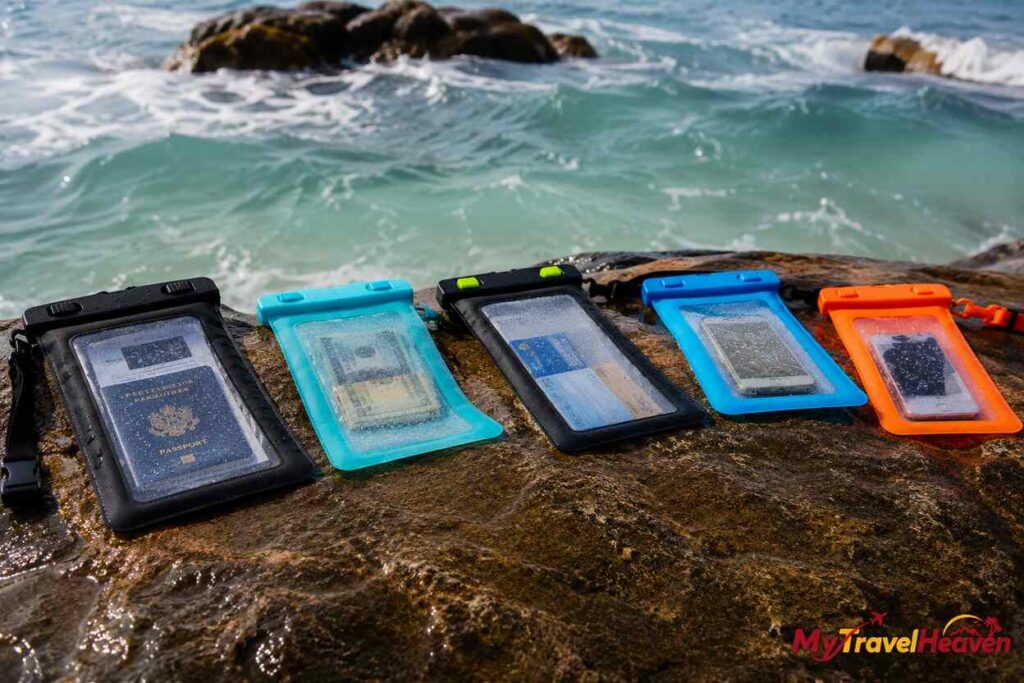

Several products consistently receive positive reviews because they balance waterproof protection, durability, and practical organization.
| Product Type | Best For | Main Advantages |
|---|---|---|
| Passport Neck Wallet | International travel | Hands-free carrying |
| Family Document Organizer | Multiple passports | Large capacity |
| Waterproof Dry Pouch | Adventure travel | Full immersion protection |
| RFID Travel Wallet | Urban tourism | Theft protection |
| Floating Waterproof Pouch | Beach vacations | Easy recovery in water |
The best option depends more on your travel style than on price alone. Adventure travelers often prioritize waterproof ratings, while business travelers may focus on organization and appearance.
Choosing a reputable manufacturer with consistent quality control generally provides better long-term reliability than purchasing the least expensive option available.
Organize Documents Efficiently Inside the Pouch
A waterproof pouch becomes even more useful when documents are arranged logically.
Group items into categories:
- Identification
- Transportation
- Accommodation
- Financial documents
- Emergency information
Keep passports together in one section while placing boarding passes near the front for quick airport access.
Store emergency cash separately from daily spending money to avoid exposing larger amounts during routine purchases.
Laminated emergency contact cards add another layer of preparedness if electronic devices become unavailable.
Protect Electronics Alongside Paper Documents
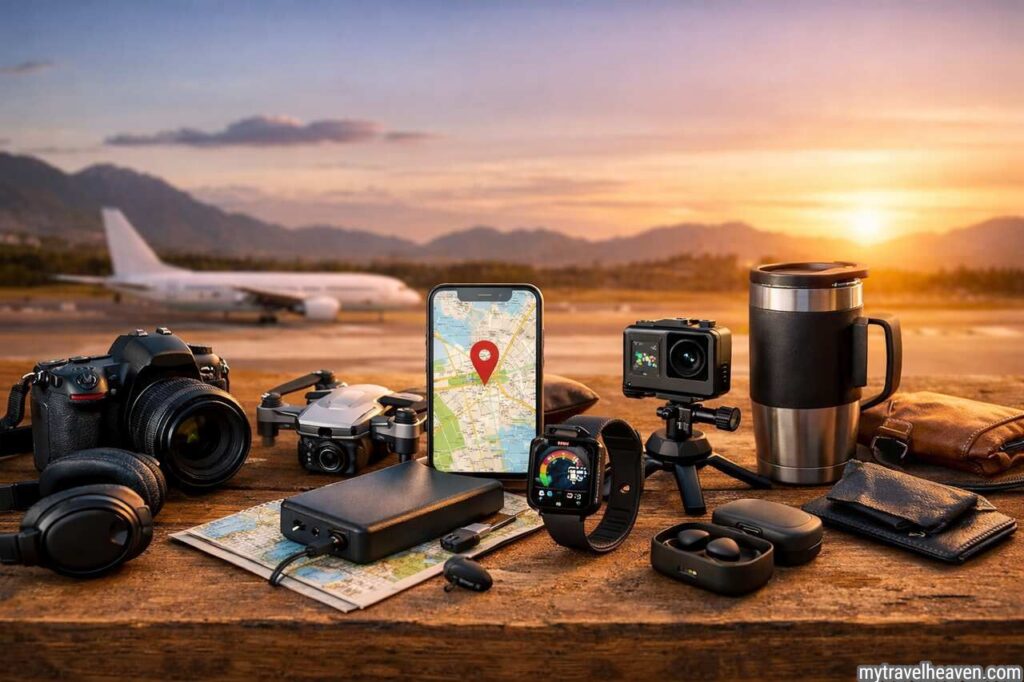
Many waterproof document pouches now accommodate electronic devices in addition to paper records.
Common items include:
- Smartphones
- Portable chargers
- Memory cards
- USB drives
- SIM cards
- SD cards
Keeping digital backups of passports, visas, travel insurance, and itineraries on encrypted storage devices provides an additional safeguard.
Avoid overfilling the pouch because excess pressure can weaken waterproof seals over time.
Maintain Your Waterproof Pouch for Long-Term Reliability
Regular maintenance extends the life of your travel gear.
After trips involving saltwater or sand, rinse the pouch with fresh water and allow it to air dry completely.
Inspect seams, transparent windows, closure systems, and waterproof zippers before every journey.
Replace damaged pouches immediately if cracks, tears, or worn seals appear, since even small defects can compromise waterproof performance.
Storing the pouch flat rather than tightly folded also helps preserve its shape and sealing effectiveness.
Prepare Backup Copies of Important Documents
Even the best waterproof pouch should be part of a broader travel protection strategy.
Carry both physical and digital backups whenever possible.
Recommended backups include:
- Passport photocopies
- Visa copies
- Insurance documents
- Flight confirmations
- Hotel reservations
- Emergency contacts
Email encrypted copies to yourself or store them in a secure cloud storage service for access if originals are lost.
Keeping one set of copies in separate luggage adds another layer of protection against theft or misplaced bags.
Use Waterproof Pouches for Different Types of Travel
Travel conditions vary considerably, and your document storage should reflect your itinerary.
Beach vacations require protection from saltwater and sand. Hiking trips demand lightweight durability. Cruise passengers benefit from floating pouches that prevent valuables from sinking. Business travelers often prefer professional-looking organizers with document sleeves. Families usually need expandable storage capable of holding multiple passports and tickets.
Matching the pouch to your travel environment ensures you receive the right balance of protection, convenience, and storage capacity without carrying unnecessary weight.
Conclusion
Choosing the best waterproof pouches for documents when traveling is one of the simplest ways to safeguard your passport, travel paperwork, cash, cards, and other essentials. The right pouch combines dependable waterproof protection with practical organization, durable construction, and security features suited to your travel style.
Focus on material quality, waterproof certification, closure reliability, storage capacity, and additional security features rather than price alone. Pair your waterproof pouch with digital document backups and organized packing habits to reduce the risk of travel disruptions caused by water damage or document loss. With proper preparation, your important papers remain protected whether you’re exploring a city, relaxing at the beach, hiking through the mountains, or crossing international borders.