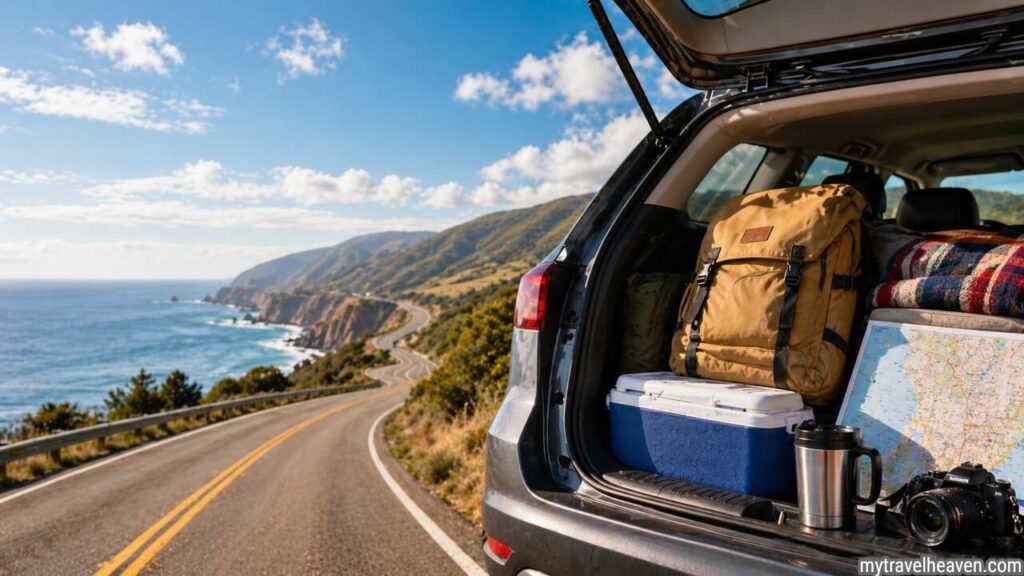



A well-planned road trip combines freedom, flexibility, and adventure while reducing unnecessary stress. Whether you are traveling across a state, crossing a country, or exploring multiple destinations over several days, a structured plan helps you save time, control expenses, avoid common travel problems, and create a more enjoyable experience. By organizing your route, budget, accommodations, vehicle preparation, and daily schedule in advance, you can focus more on the experience and less on unexpected challenges. This guide walks through every major step required to plan a successful road trip from start to finish.
Define Your Road Trip Goals
The first step is deciding what kind of road trip you want to take. Some travelers prioritize scenic drives, while others focus on visiting major cities, national parks, beaches, historical sites, or family attractions. Establishing a clear purpose helps shape every other decision, including route selection, travel duration, and budget.
Think about who is traveling with you. A solo traveler may prefer flexibility and spontaneous stops, while families often require more structured schedules and child-friendly attractions. Couples may focus on scenic routes and unique accommodations, while groups often prioritize entertainment and social experiences.
Your goals also influence driving distances. A sightseeing-focused trip may involve shorter daily drives with frequent stops, whereas a destination-focused trip may require longer stretches on highways. Defining expectations early helps prevent scheduling conflicts and travel fatigue later.
Determine Your Budget Before Booking Anything
Creating a budget provides a realistic framework for your road trip. Transportation costs often represent the largest expense, but lodging, food, attractions, and emergency spending should also be considered.
Start by estimating fuel costs. Calculate your planned mileage and compare it with your vehicle’s fuel efficiency. Then estimate accommodation expenses based on your preferred lodging style. Camping, budget motels, vacation rentals, and luxury hotels each have different cost structures.
Food spending can vary dramatically. Travelers who prepare meals and snacks spend significantly less than those dining out for every meal. Attraction fees, parking charges, toll roads, and travel insurance should also be included in your calculations.
Prepare Your Vehicle for Long-Distance Travel


Vehicle preparation is one of the most important aspects of road trip planning. Mechanical issues can quickly disrupt travel schedules and create unnecessary costs.
Schedule a vehicle inspection before departure. Check engine oil, coolant, transmission fluid, brake fluid, and windshield washer fluid. Tires should be inspected for wear, proper inflation, and overall condition. Spare tires should also be checked to ensure they are usable.
Battery health is another critical factor. Long trips place additional demands on vehicles, particularly during extreme temperatures. Replacing a weak battery before departure is often less expensive than dealing with a roadside breakdown.
Drivers should also carry emergency supplies including jumper cables, a flashlight, basic tools, a first-aid kit, bottled water, and a portable phone charger. These items improve safety and provide peace of mind when traveling through remote areas.
Select the Best Route for Your Travel Style
Choosing the right route can dramatically affect the overall experience. The fastest route is not always the most memorable. Travelers often enjoy scenic roads, coastal highways, mountain passes, and historic byways more than major interstates.
Digital navigation tools simplify route planning. Applications such as Google Maps and Waze help estimate travel times, identify traffic patterns, and locate services along the way.
Consider balancing efficiency and exploration. Long highway stretches can be combined with scenic segments to create a more enjoyable journey. Research notable landmarks, viewpoints, and local attractions near your route to maximize travel opportunities.
Road conditions, seasonal closures, and weather patterns should also be reviewed before departure. Mountain roads, desert routes, and coastal highways may experience temporary restrictions during certain times of the year.
Build a Realistic Daily Driving Schedule
Many travelers underestimate how tiring extended driving can be. While navigation apps may estimate eight hours of driving, actual travel time often increases because of meals, rest breaks, traffic, fuel stops, and sightseeing opportunities.
Aim for manageable daily driving distances. Many experienced road trippers prefer six to eight hours of driving per day, allowing sufficient time for exploration and rest. Families traveling with children may benefit from even shorter driving periods.
Include planned breaks every few hours. Stretching, eating, and walking improve comfort and reduce fatigue. Frequent breaks also contribute to safer driving by maintaining alertness.
Flexibility is important. Weather changes, unexpected attractions, and local recommendations often create opportunities worth exploring. A schedule that allows room for adjustments improves the overall experience.
Research Destinations and Attractions in Advance
A road trip becomes more rewarding when travelers know what exists beyond the highway. Researching attractions beforehand helps identify unique experiences that might otherwise be overlooked.
Consider cultural sites, museums, historical landmarks, outdoor recreation areas, scenic overlooks, local festivals, and regional food destinations. National and state parks frequently offer memorable experiences for road travelers.
Organizations such as the National Park Service provide detailed information about park conditions, operating hours, permits, and visitor services. Similar organizations exist in many countries and regions.
Creating a list of primary attractions and backup options ensures there is always something interesting available, regardless of weather or scheduling changes.
Reserve Accommodations Strategically
Accommodation planning influences both budget and convenience. Travelers can choose between hotels, motels, vacation rentals, campgrounds, hostels, and boutique properties depending on their preferences.
Booking accommodations in advance provides certainty during peak travel periods. Popular destinations often experience high demand during holidays, weekends, and summer travel seasons.
At the same time, some travelers prefer flexible itineraries. In these situations, reserving only key overnight stops while leaving certain days open can balance security and spontaneity.
Location matters as much as price. A slightly more expensive property near attractions may reduce transportation costs and save valuable time. Evaluate parking availability, check-in requirements, and nearby amenities before making reservations.
Organize Navigation and Offline Resources
Technology has simplified navigation, but relying exclusively on internet connectivity can create problems in remote areas. Road trip planning should include backup navigation methods.
Download offline maps before departure. Applications often allow travelers to save large geographic areas for offline use. This feature becomes especially useful in mountainous regions, rural areas, and national parks.
Save reservation confirmations, emergency contacts, and important addresses locally on your device. Printed copies can provide additional security if electronic access becomes unavailable.
Travelers should also identify fuel stations, medical facilities, repair shops, and emergency services along major portions of their route. Preparation reduces stress during unexpected situations.
Pack Efficiently for Comfort and Convenience
Packing strategically helps maintain comfort throughout the trip while avoiding unnecessary clutter. Every item should serve a practical purpose.
Essential clothing should match expected weather conditions. Layered clothing systems work particularly well because temperatures can vary significantly between destinations. Comfortable walking shoes are important for sightseeing and outdoor activities.
Travel documents, identification, medications, chargers, and emergency supplies should remain easily accessible. Frequently used items should not be buried beneath luggage.
Food and beverage planning also improves convenience. Snacks, water bottles, and simple meal options reduce unnecessary stops and help control food expenses. Organized packing systems make it easier to locate items quickly during travel.
Plan Fuel Stops and Vehicle Expenses

Fuel management becomes increasingly important on longer routes. Waiting until the fuel tank is nearly empty can create unnecessary risk, especially in remote areas.
Research fuel availability across your planned route. Some regions may have limited service stations or significantly higher fuel prices. Identifying strategic refueling points helps maintain efficiency.
Drivers should monitor vehicle performance throughout the trip. Unusual noises, warning lights, vibration, or handling changes may indicate developing mechanical issues that require attention.
Maintaining consistent speeds and avoiding aggressive acceleration can improve fuel economy substantially. Efficient driving practices save money and reduce overall travel costs.
Prioritize Safety Throughout the Journey
Safety planning should remain a central part of every road trip. Even experienced drivers benefit from reviewing basic precautions before departure.
Adequate sleep is one of the most important safety measures. Fatigue affects reaction time, judgment, and concentration. If multiple licensed drivers are available, sharing driving responsibilities can reduce exhaustion.
Weather conditions require continuous monitoring. Heavy rain, snow, fog, extreme heat, and high winds can affect travel safety and scheduling. Adjusting plans when necessary is often the safest decision.
Emergency preparedness also matters. Travelers should share their itinerary with trusted contacts and maintain access to emergency communication methods whenever possible.
Organizations such as AAA offer roadside assistance programs that many travelers find valuable during long-distance journeys.
Create Entertainment Plans for Long Drives
Extended periods on the road can become repetitive without entertainment options. Thoughtful planning helps maintain engagement and improves the travel experience.
Podcasts, audiobooks, playlists, language-learning programs, and educational content provide productive ways to spend driving time. Travelers can select content that aligns with their interests and trip themes.
Families often benefit from interactive games and activities that keep passengers engaged. Road trip games, trivia challenges, and destination-based activities can make long drives feel shorter.
Balancing entertainment with opportunities to enjoy the surrounding scenery creates a more rewarding travel experience. Some of the best road trip memories come from simply observing landscapes and discovering unexpected destinations.
Build Flexibility Into Your Itinerary
Many travelers attempt to schedule every hour of their trip. While organization is important, excessive rigidity can reduce enjoyment and increase stress.
Unexpected discoveries frequently become highlights of a road trip. A recommended restaurant, scenic overlook, local festival, or hidden attraction may not appear in original plans but can significantly enhance the experience.
Weather, traffic, construction, and changing interests may also require adjustments. Flexible schedules allow travelers to adapt without feeling rushed.
Building buffer time between major destinations creates opportunities for spontaneous exploration while maintaining overall travel goals.
Capture Memories and Track Experiences
Documenting your journey helps preserve memories long after the trip ends. Photos, videos, travel journals, and digital notes provide valuable records of experiences and discoveries.
Consider recording daily highlights, favorite locations, memorable meals, and useful travel tips. These details are often forgotten over time but can become meaningful reminders later.
Sharing travel experiences with friends and family can also enhance the journey. Social media updates, travel blogs, or private photo collections allow others to follow along and provide recommendations.
Keeping organized records becomes especially useful for future road trips because it helps identify destinations worth revisiting and mistakes worth avoiding.
Evaluate and Improve Your Travel Strategy After Returning
The conclusion of a road trip provides an opportunity to review what worked well and what could be improved. Evaluating accommodations, routes, budgets, and scheduling decisions creates valuable knowledge for future travel.
Review actual expenses compared with your original budget. Analyze which destinations provided the greatest value and which activities were less rewarding than expected.
Vehicle performance should also be assessed after returning home. Long trips may reveal maintenance needs that should be addressed before future travel.
Each road trip develops planning skills that make subsequent journeys smoother, more efficient, and more enjoyable.
Conclusion
Planning a successful road trip involves much more than choosing a destination and starting the engine. Clear goals, realistic budgeting, vehicle preparation, route planning, accommodation strategy, safety measures, and flexible scheduling all contribute to a better travel experience. By preparing thoroughly before departure and remaining adaptable throughout the journey, travelers can reduce stress, avoid common problems, and maximize opportunities for exploration. A thoughtful road trip plan transforms a simple drive into a memorable adventure filled with meaningful experiences and lasting memories.